
Trees for Wet Ground
Which tree species work in damp or poorly drained soil?
Marginal soil sometimes means dry, rocky, or shallow ground. But often “sub-prime” farmland is the opposite: too wet, or poorly drained. It’s the “lower field,” the area that’s frequently flooded, the ditch itself, or just heavier silt or clay.
These wet fields (not wetland) are often the worst for growing grain, because you can’t drive on them until they dry out, which pushes the planting date too far into the summer. They present a low opportunity cost, but can be great for growing financially-reasonable trees.
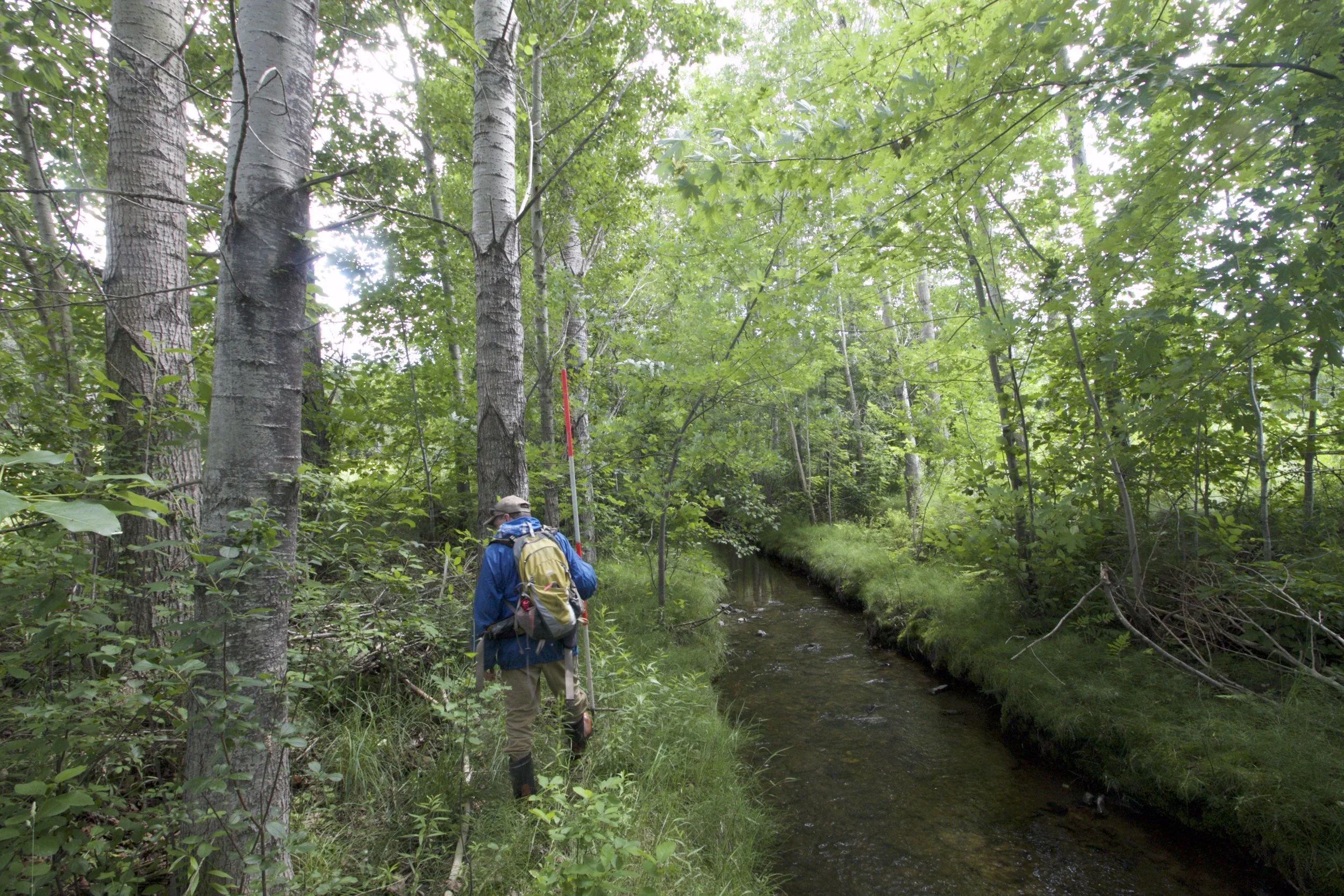
Here are a few larger tree species that do well in “wet” soil. All of them will significantly increase water quality. Generally, a buffer planted with trees will absorb 4-5x as much nutrient pollution as a grass buffer alone.
Hybrid Poplar, Populus spp.
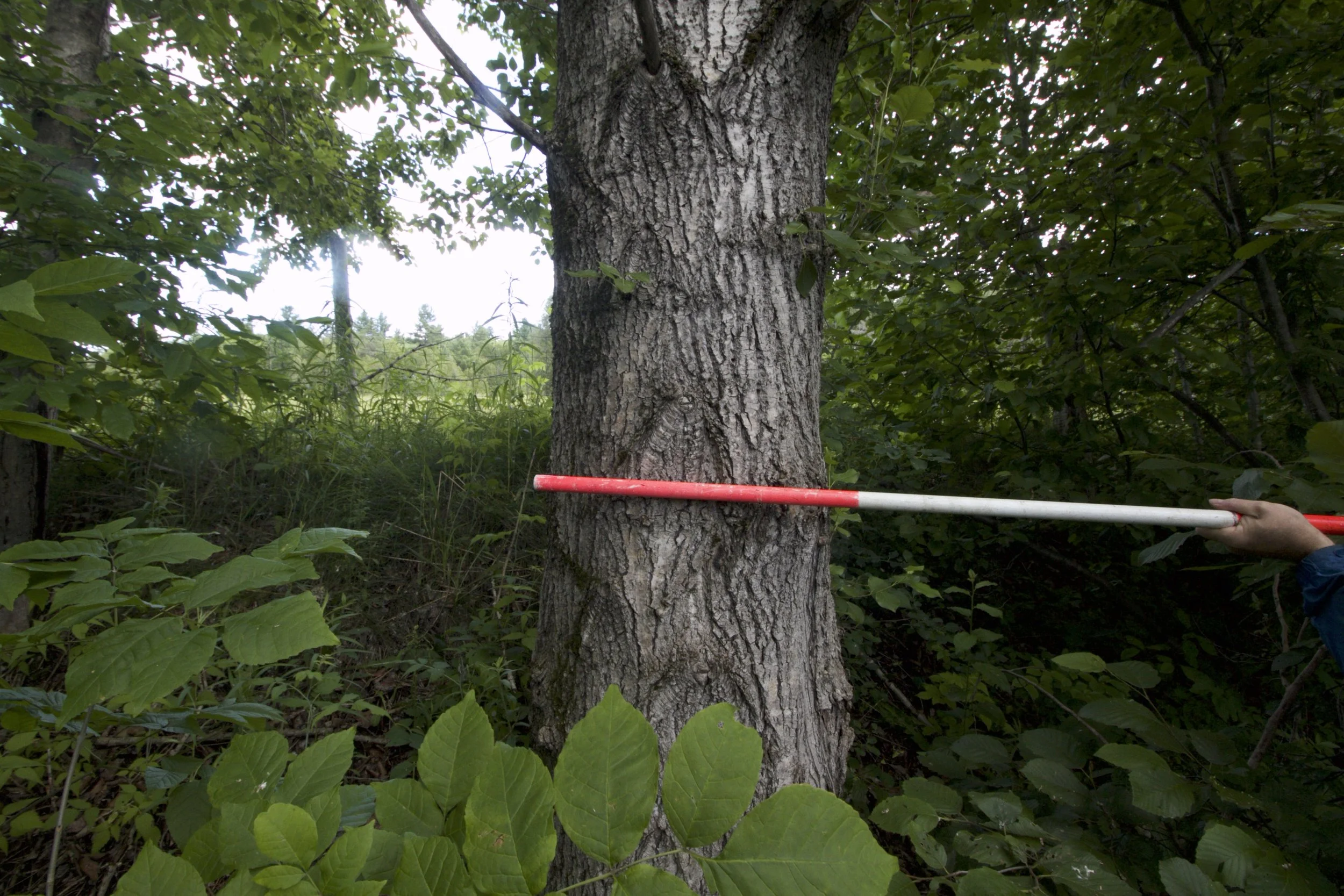
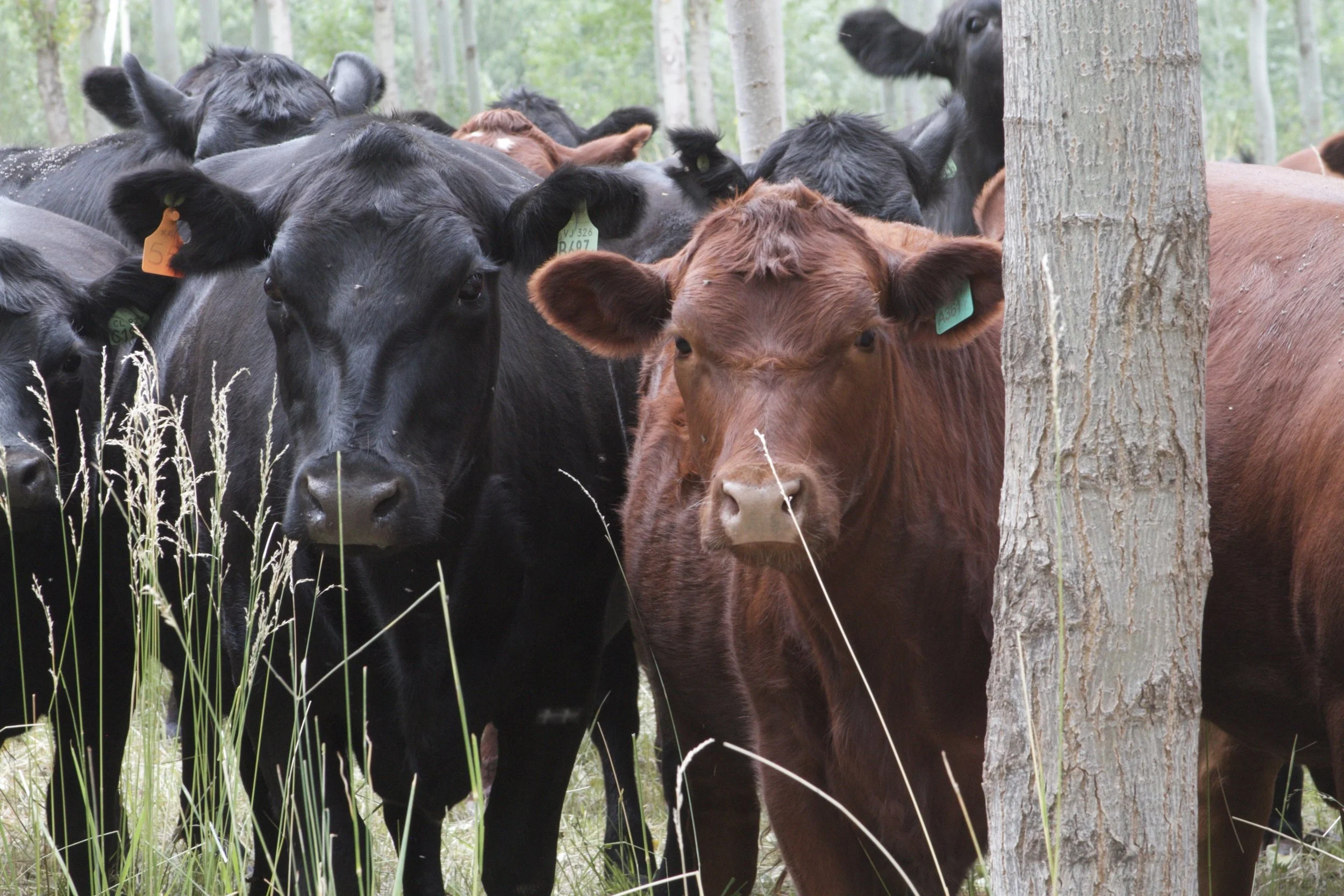
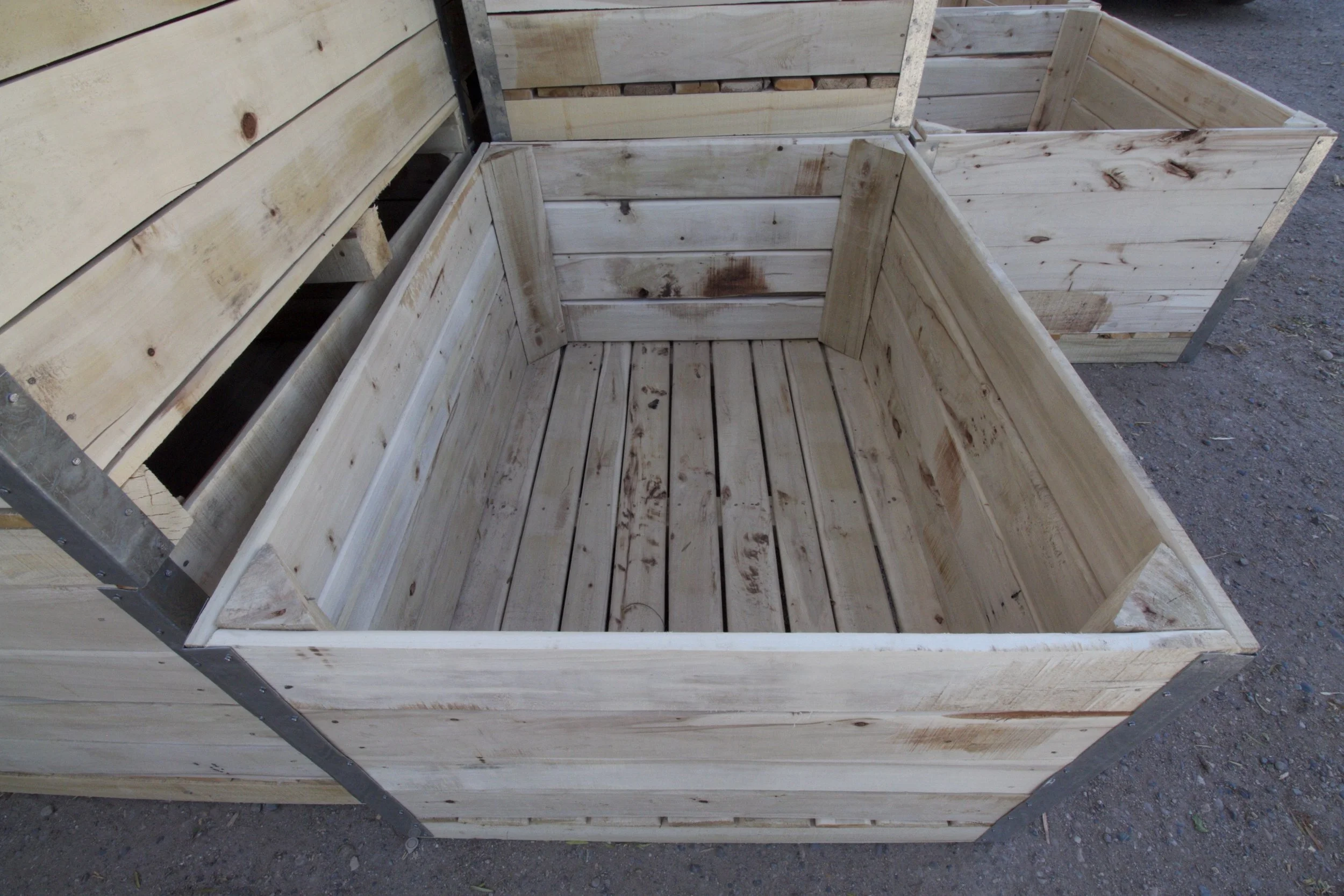
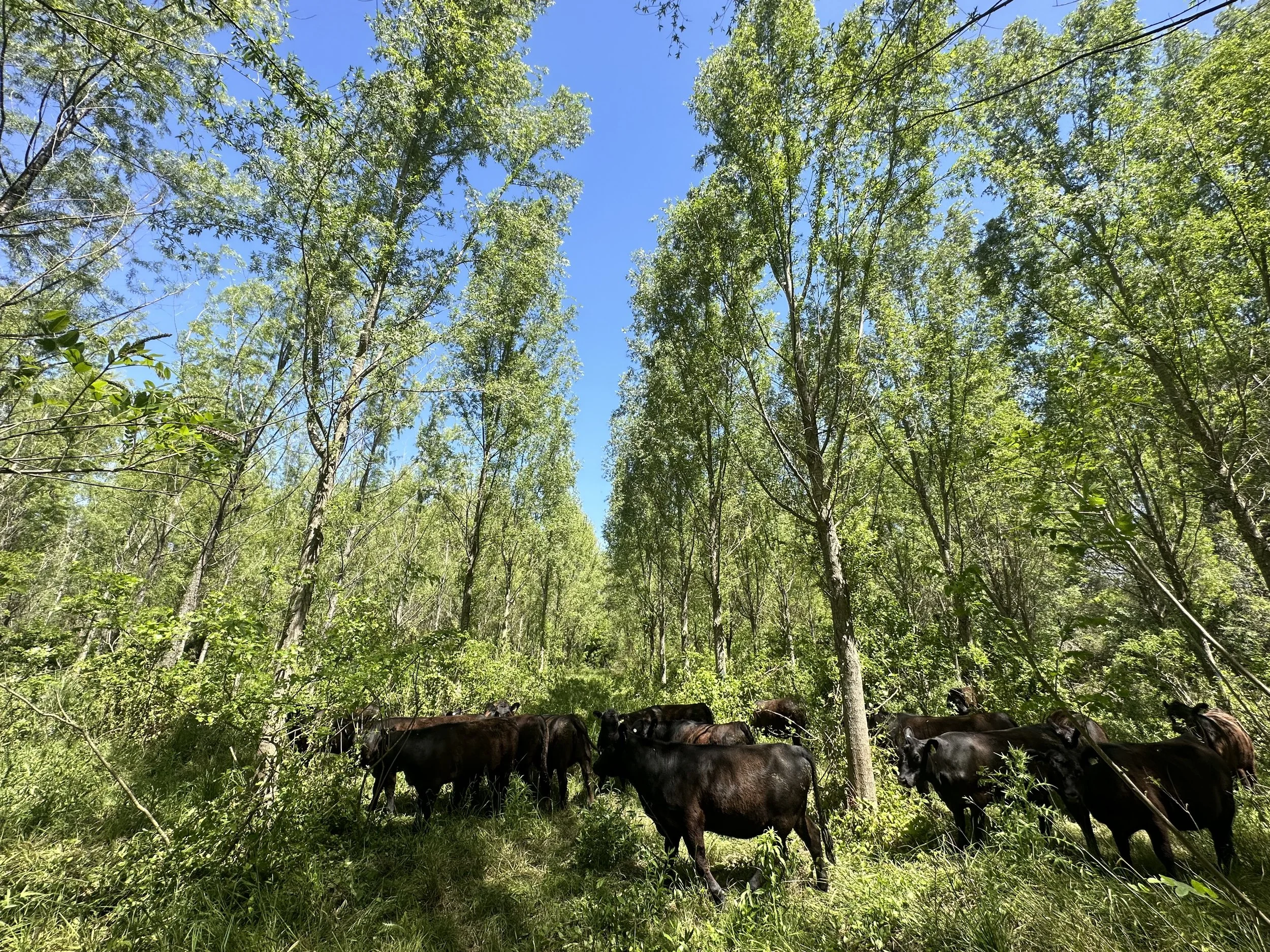
Hybrid poplar is a fast-growing timber tree that produces entry-level wood, livestock shade, and general shelter. The wood’s density is low, and it isn’t rot resistant, but it’s a great choice for barn loft flooring (if rough cut), or indoor paneling if planed and shiplapped. One clonal variety produces wood with a figured grain: Populus x canescens var Grober, or “curly poplar” has a heritable trait that increases the aesthetic quality of the wood.
Willow, Salix spp.
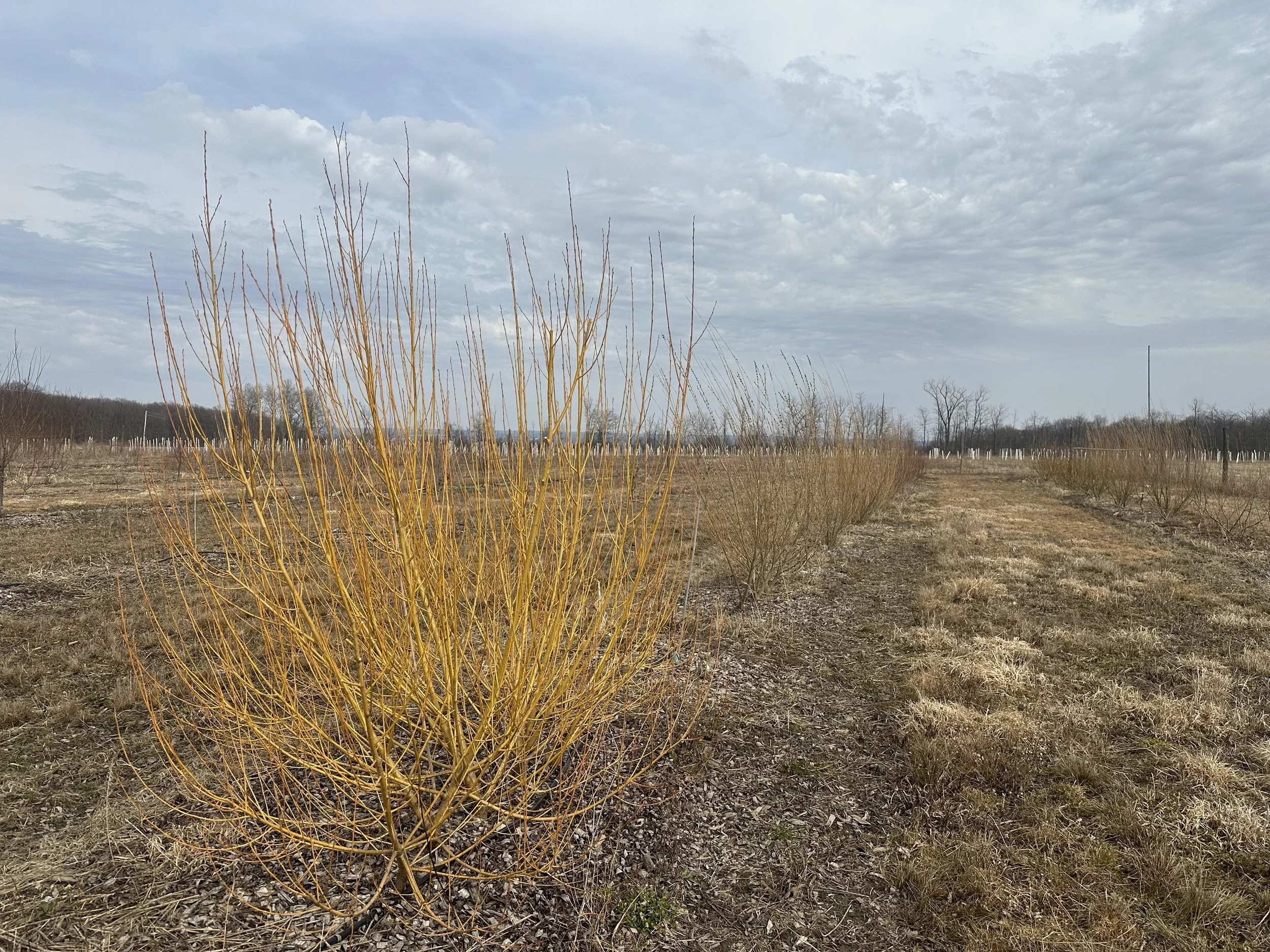
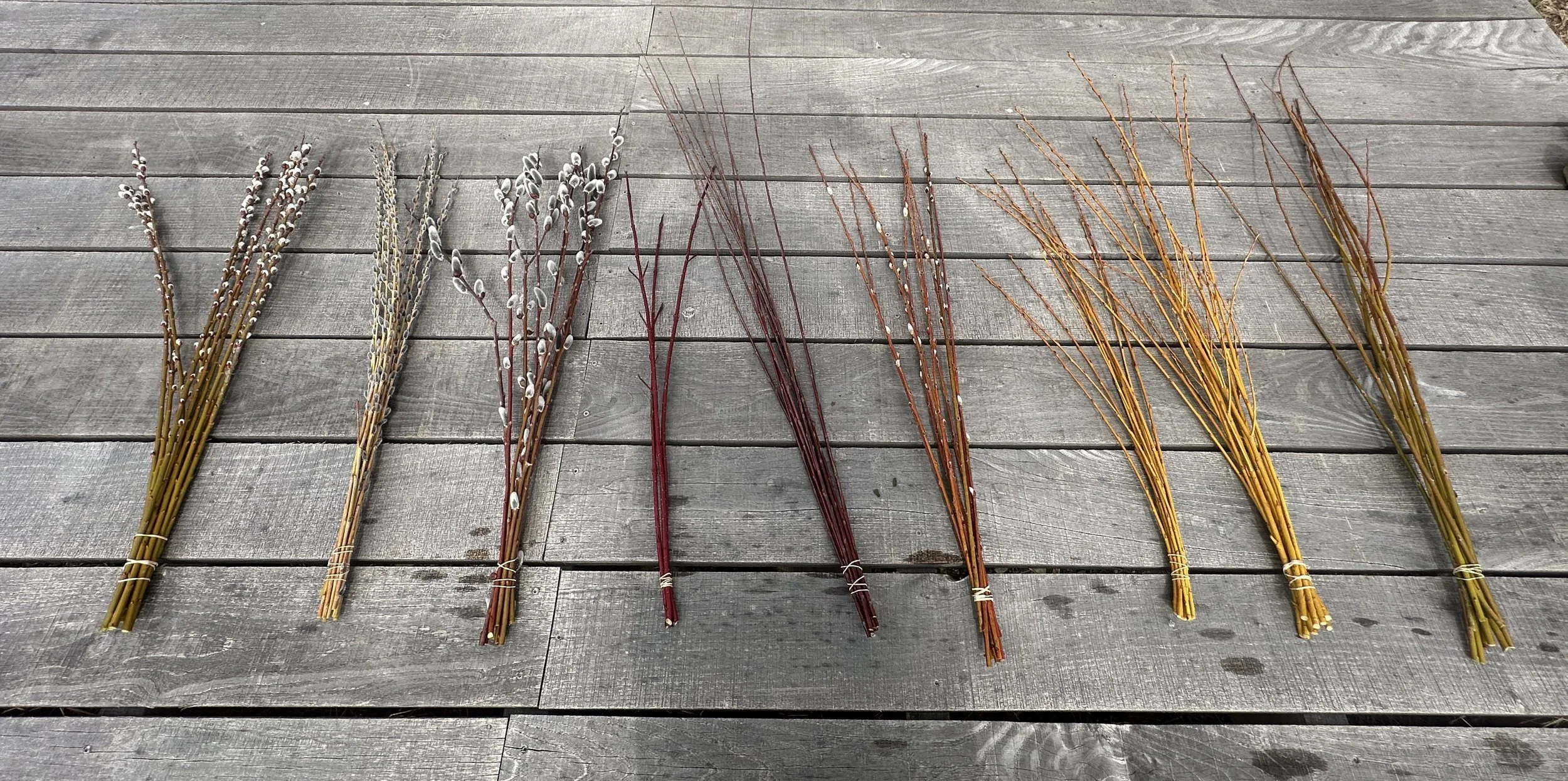
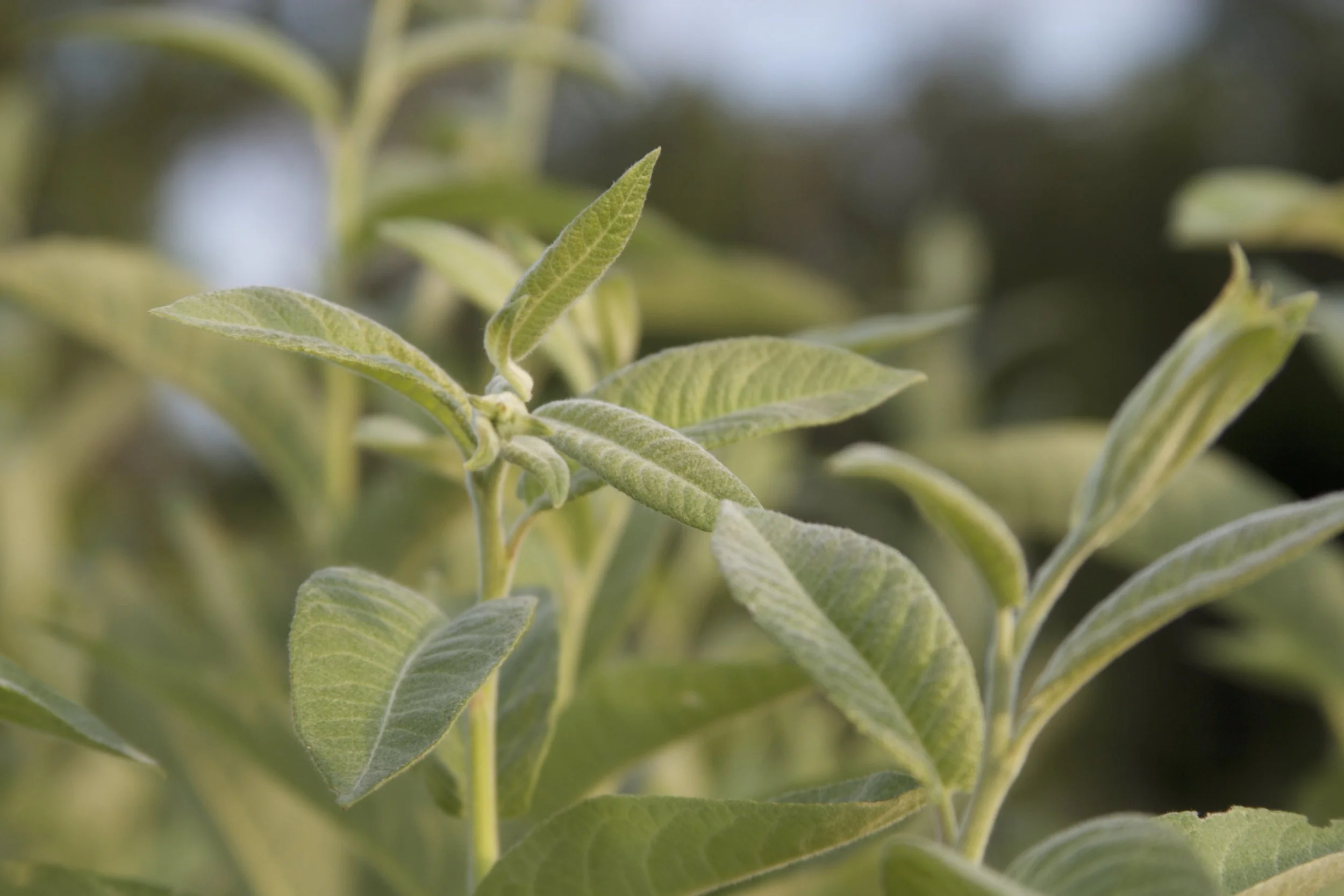
All types of willow do well in wetter soils. For those with small acreage and an inclination to sell woody florals, baskets, and cuttings direct-to-consumer, shrub willow is an excellent choice. Two excellent varieties are Salix x balfourii, a hybrid goat willow for catkins and summer aesthetics, and Jaune flame, whose golden branches light up a winter landscape. Willow can also be grown for cattle browse and cattle shade.
Yellowbud Hickory, Carya cordiformis
Yellowbud hickory is related to pecans, and the nut is pressed for high-end culinary oil. As far as nut trees go, this is the choice for heavier, damp soils. For a deep dive into yellowbud hickory, open this episode of The Plant The Trees Podcast in a new tab.
Silver Maple, Acer saccharinum
Maple producers know about silver maple, tapped for maple syrup. The Brix content is lower (less sugar in the sap), a reverse osmosis machine renders that a non-issue. Silver maple tolerates in wetter soils: ditches, flood plains, and poor drainage.
Profitability?
For an average producer, the trees on this list are “almost profitable,” meaning that returns echo that of a US Treasury Bond, absent any value from the ecosystem services that the trees provide: shade, water quality, wind protection, biodiversity etc. As is often the case, a creative marketing-oriented producer would be able to create enough margin to put these tree species into the black (profit).
Honorable mentions:
Elderberry, Sambucus canadensis, can tolerate brief seasonal flooding, but does not tolerate saturation. Elderberry is known to shorten cold and flu symptoms.
Pawpaw, Asimina triloba, is a the largest fruit native to North America. It is flood-tolerant, but the fruit has yet to be commercialized: if eaten incorrectly, it causes intense nausea.
American Persimmon, Diospyros virginiana, is another native fruit. Some varieties taste amazing, while others taste like glue. The tree tolerates seasonal flooding but prefers good drainage.
Tamarack Larch, Larix laricina is a classic rot-resistant wood. The tree grows in wet soils, and its range is moving northward with climate change. A slower-growing deciduous conifer, it loses its needles in the winter. Larch is an excellent choice for land managers with extremely long timelines, as it takes 40-90 years for a harvest, depending on site quality.
Propagate is an agroforestry development company. We’ve planted 2,400 acres of agroforestry and hundreds of thousands of trees. The two wet-tolerant species that our land partners have been most interested in are yellowbud hickory and hybrid poplar.
If you’d like to speak with a member of our team, please reach out here.
Read More:
Improving Water Quality with Agroforestry