

News & Research
Farmers and Nature to Benefit from Newly Launched Agroforestry Project
The press release copied here was originally published by Christine Griffiths of The Nature Conservancy. Propagate is proud to serve as a Regional Lead in the newly re-instated initiative, a three-year, nationwide effort led by The Nature Conservancy to help farmers integrate trees into working agricultural lands while strengthening farm profitability, resilience, and environmental outcomes.
Eastern Filbert Blight: A Tale of Two Hazelnuts
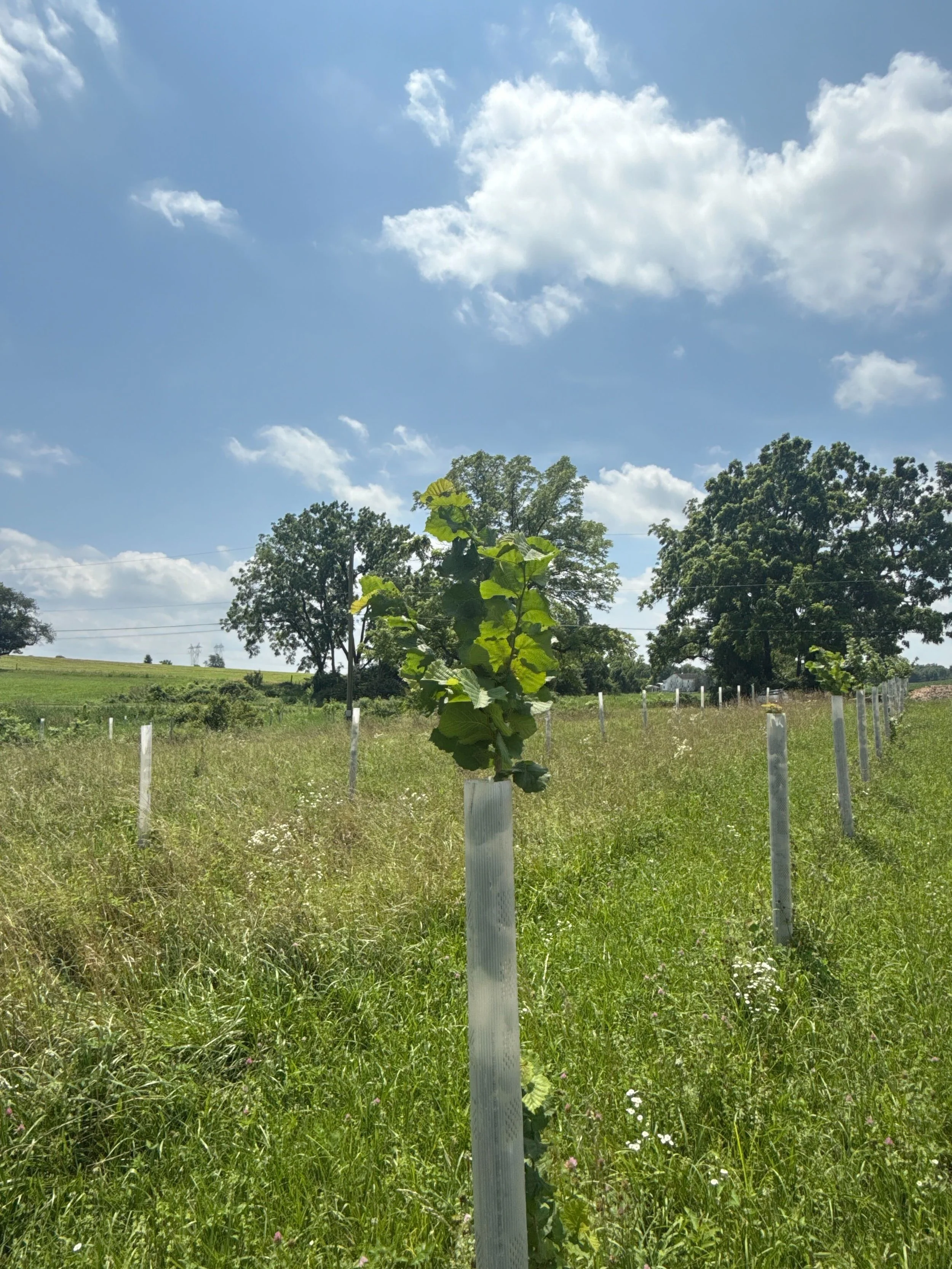
Eastern Filbert Blight (EFB) fundamentally shaped the modern U.S. hazelnut industry. After the disease spread through Oregon’s Willamette Valley, many orchards experienced severe losses, forcing the industry to rely heavily on resistant cultivars and long-term breeding programs.
Robi Decking® and Propagate Partner to Scale Domestically Grown Black Locust for Premium Outdoor Wood Products
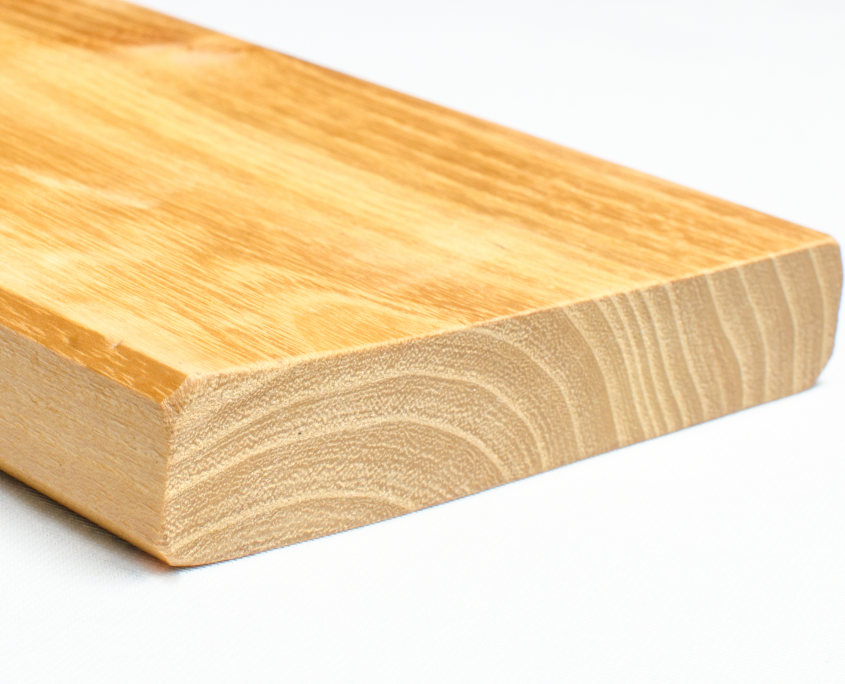
Robi Decking, the premier supplier of sustainable outdoor wood products including Black Locust , and Propagate, a leading agroforestry development company, today announced a strategic partnership to develop a reliable, domestically grown supply of high-quality Black Locust (Robinia pseudoacacia) for decking, siding, lumber, and outdoor building products.

The Nuance of Invasive Species
Invasive species are non-native plants, animals, fungi, and pathogens that spread aggressively and disrupt native ecosystems. Some invasive species can cause extreme ecological damage. Occasionally, species are misinterpreted as invasive because they interfere with human objectives. Here arises the nuance.
Curly Poplar: High Quality Wood from Low Quality Soil
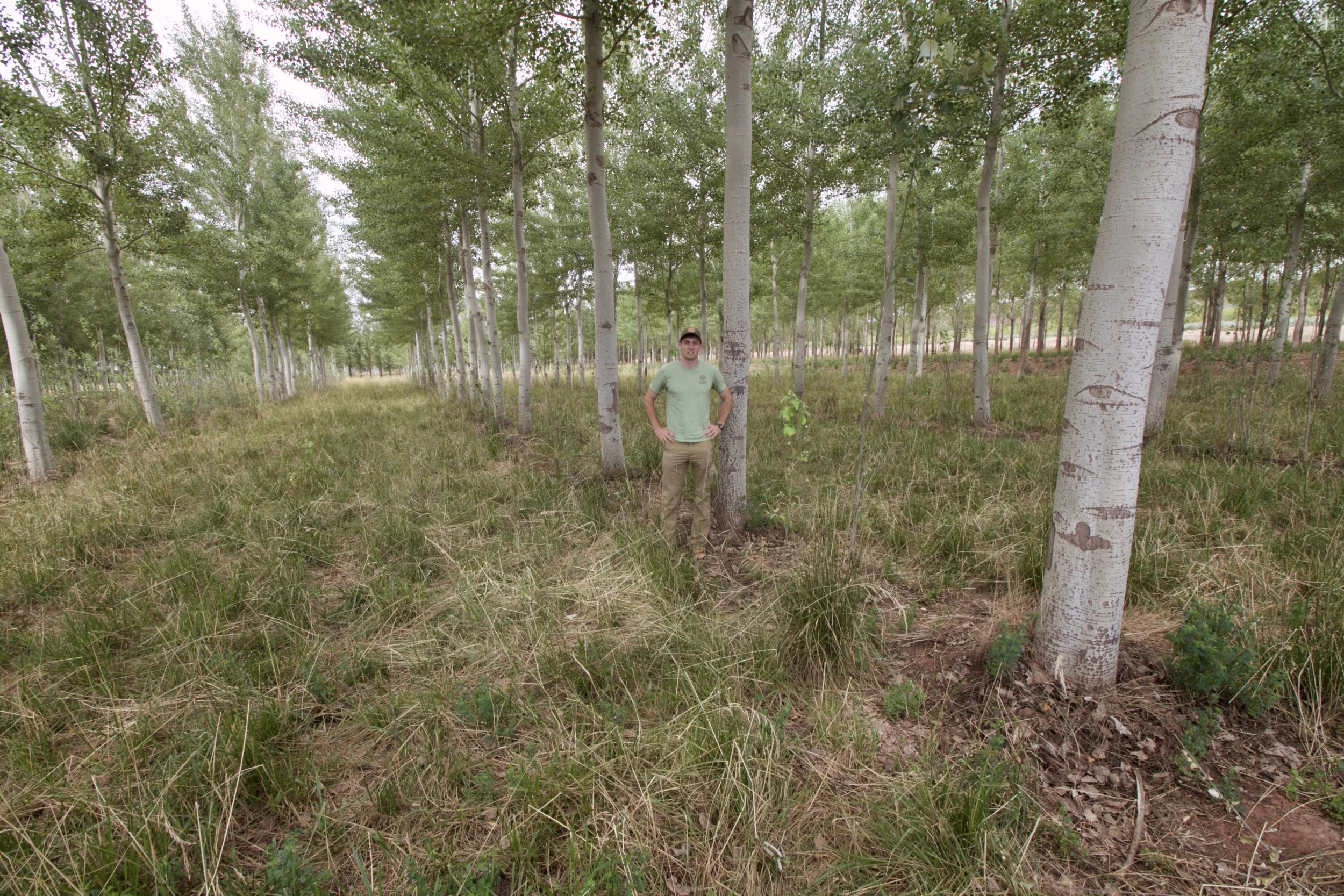
Curly poplar may be the “X Factor” for growing high quality wood in damp soil. This tree tolerates silt, clay, seasonal flooding, and a high water table — and it yields sawlogs sooner than most other tree species in the eastern United States. Curly poplar mitigates pollution and turns it into economic and ecological value on real farmland.

Agroforestry and Beekeeping
Our team explores the integration of agroforestry systems and beekeeping, touching on varietal honey production and species selection to maintain blooms year-round.

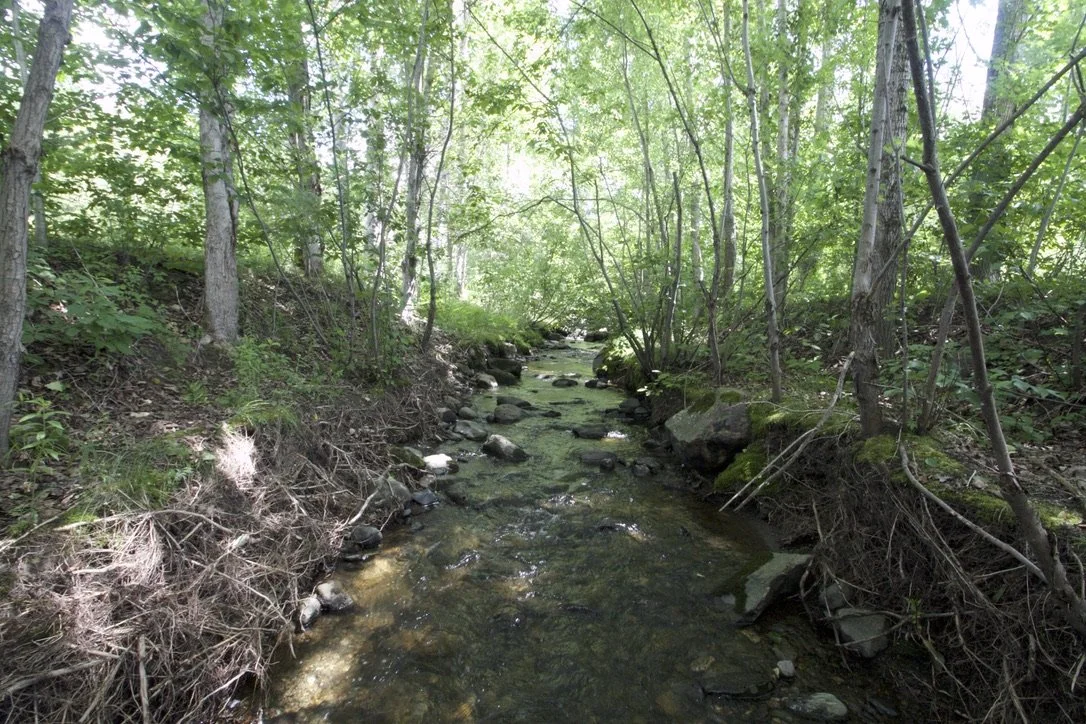
Trees for Wet Ground
Which tree species work in damp or poorly drained soil?
Here are 4 economically-reasonably trees that improve water quality and drive farm income.
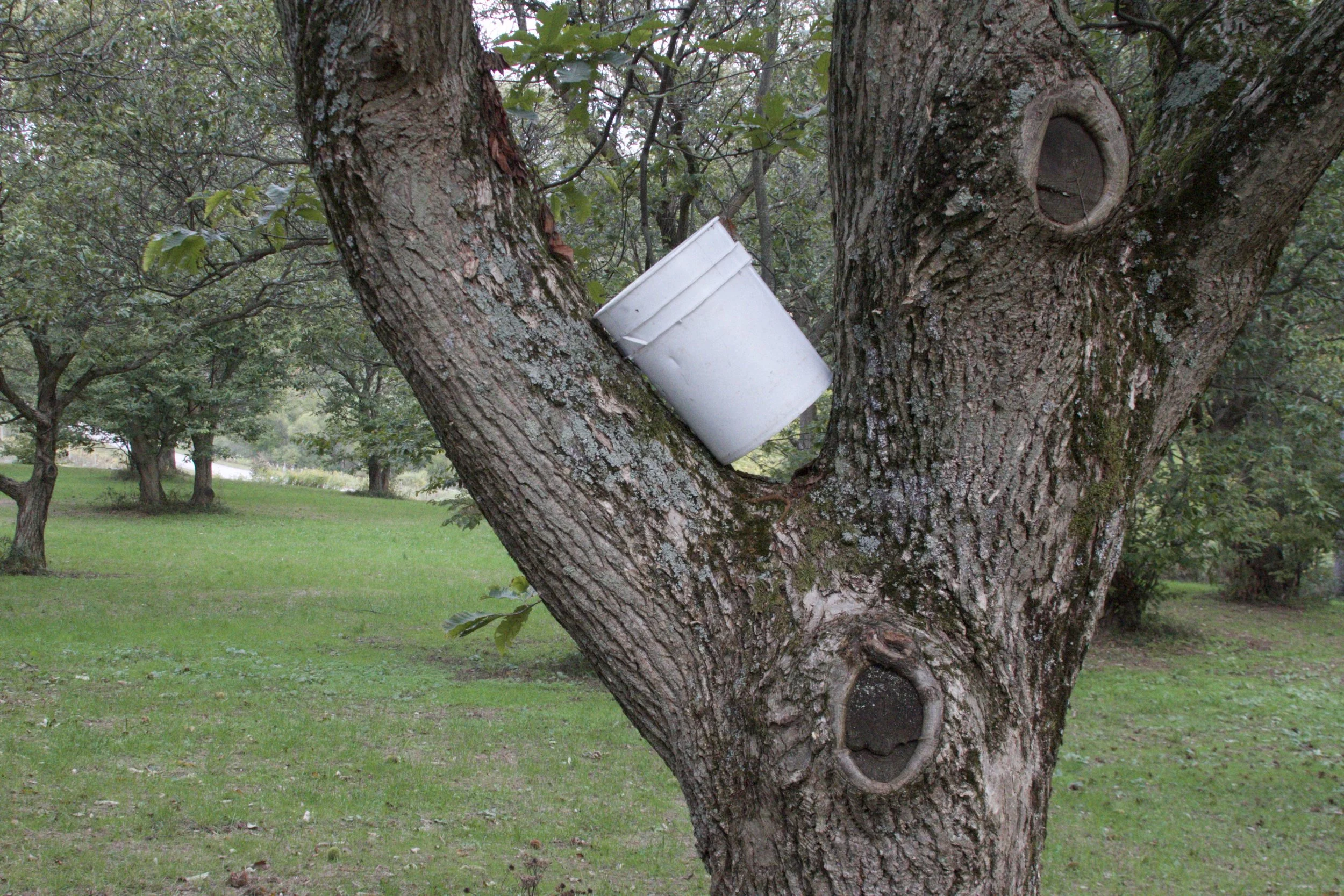
50 Years of Chestnuts, in Photos
What does chestnut agroforestry look like over 50 years? Here’s a look book of photos, with explanations.
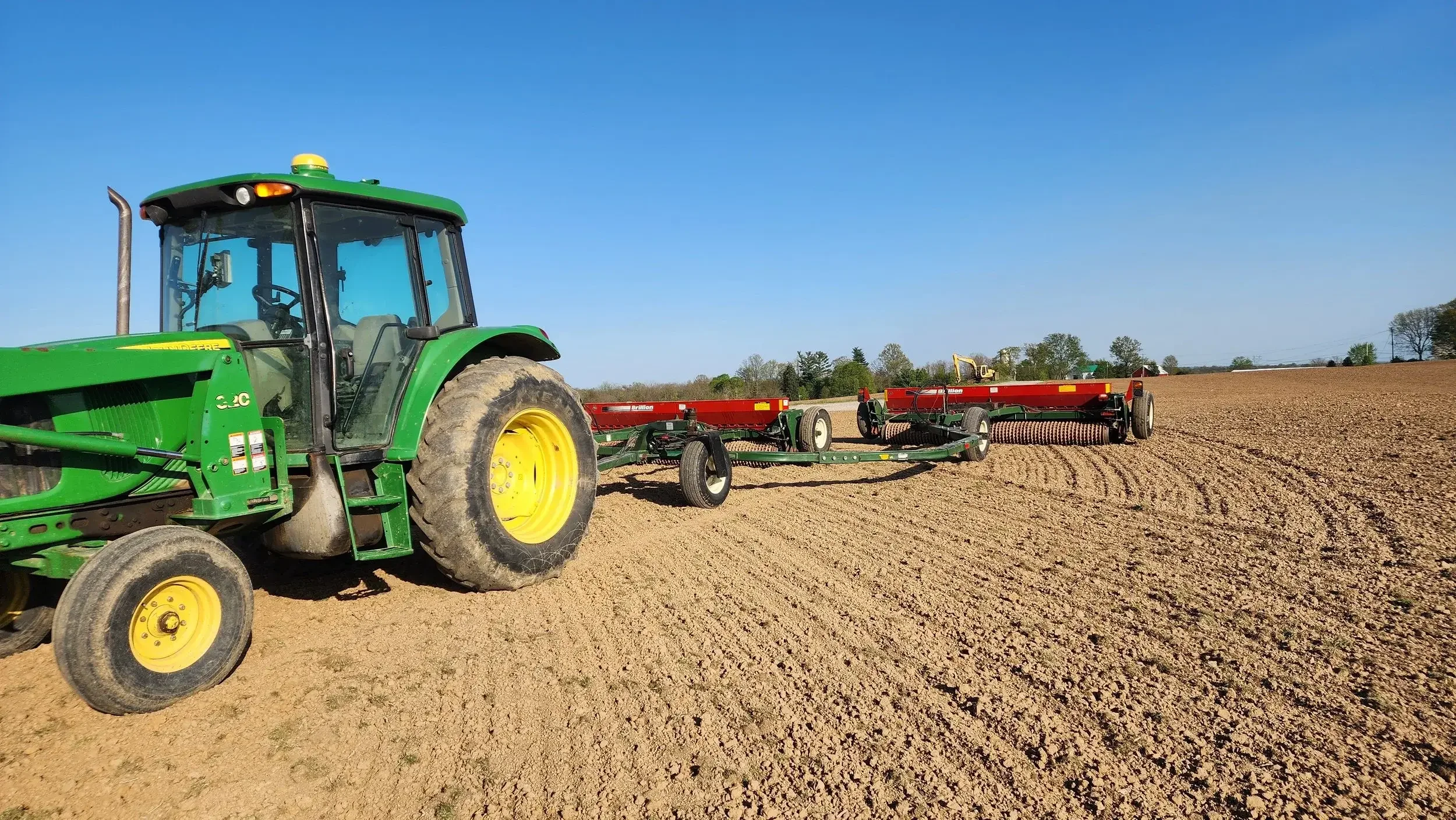
Site Prep & Equipment for Agroforestry
Establishing a high-performing agroforestry system begins long before the first tree goes in the ground. Effective site preparation enables more efficient planting, vigorous root establishment, & operational efficiency for years to come.
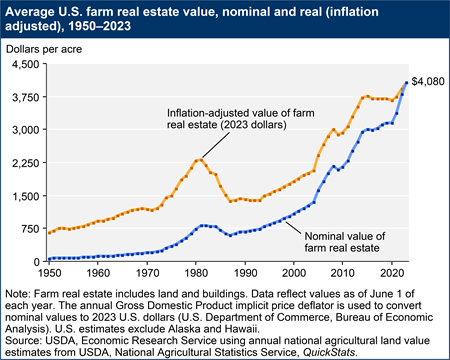
3 inflationary pressures on farmland prices, and why it may slow regenerative practice adoption
Farmland valuations are the primary basis of equity within agriculture. This makes them the linchpin of any kind of agricultural land use change. When farmland value is viewed through the lens of a new practice, the most important question is how will this affect my land value.
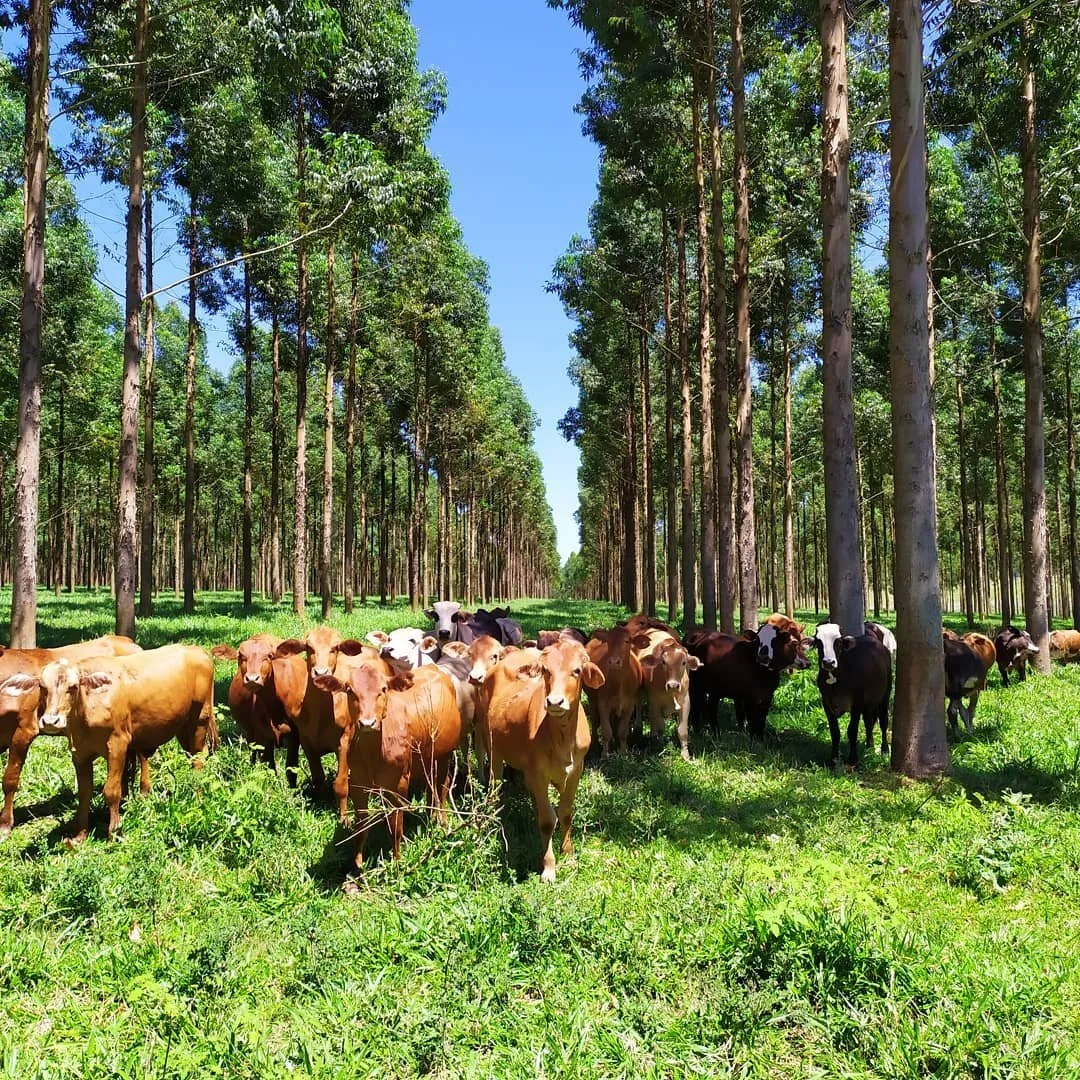
Growing Agroforestry into the Mainstream
How do different cultures approach trees on farms? What do trees signal? How can we make agroforestry accessible to more U.S. farmers? Here we look at the societal diffusion of silvopasture in South America, and how we can grow, replicate and scale agroforestry in the United States.
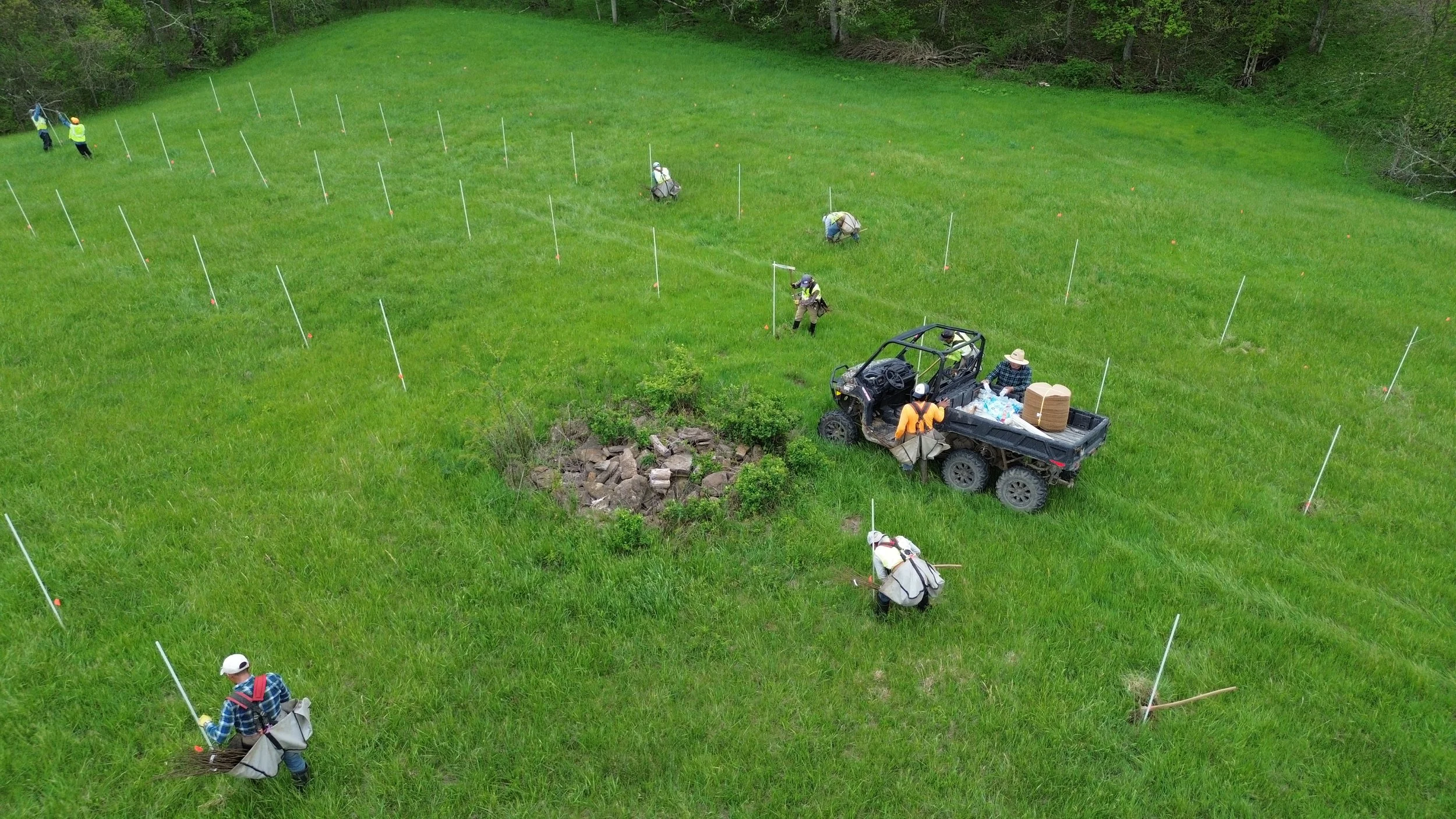
Succession Planning for Regenerative Futures
In this blog, we explore the relationship between succession planning and regenerative practices, highlighting stories, information, and resources that can support your transition.
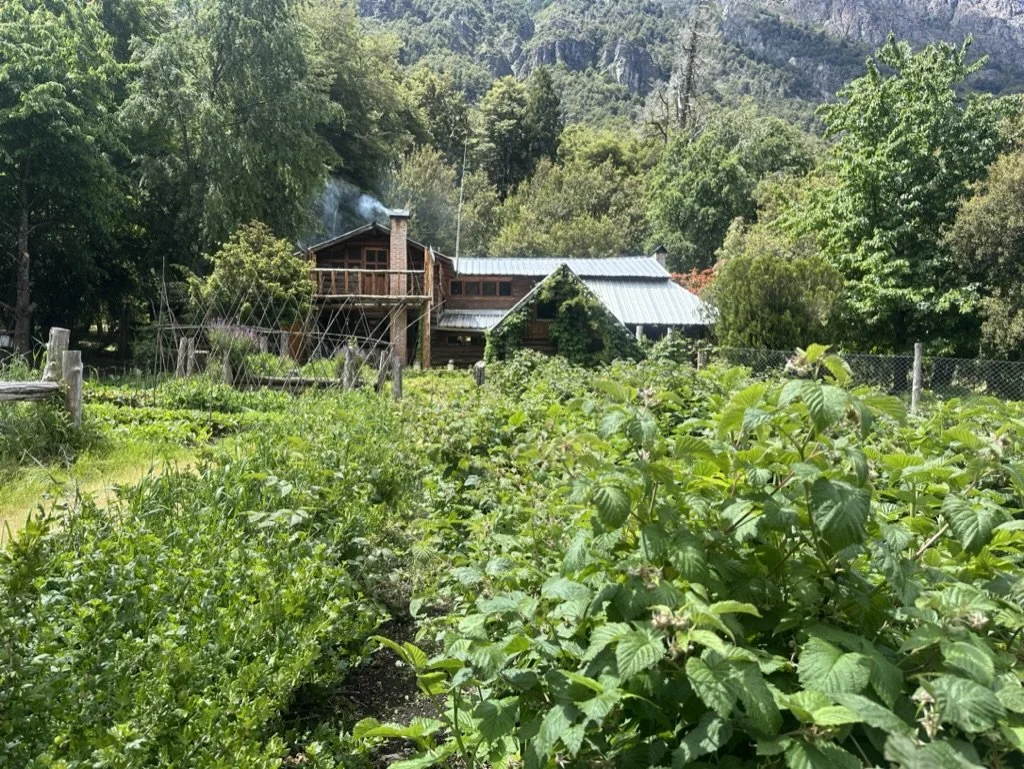
Why Not Permaculture?
Permaculture has a lot to offer. But we rarely use the word, and we need to approach the field with some massive caveats. How has it evolved? Where does it land and where does it miss the mark? Is a permaculture retreat center a substitute for corn? How do we engage with permaculture?
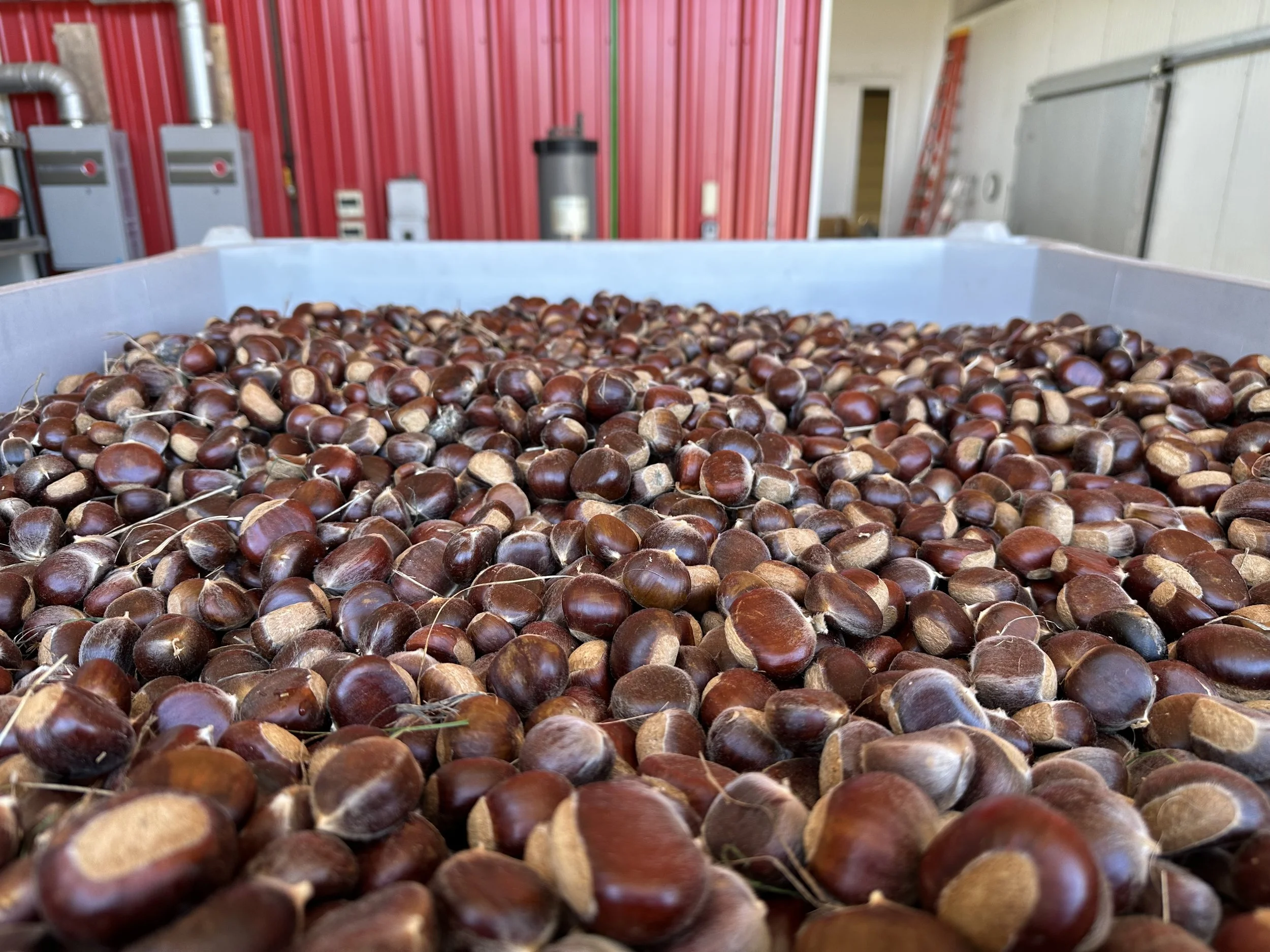
Chestnut Pricing and Markets
What do chestnuts sell for? And who buys them? Chestnut pricing is dynamic but predictable. Here we go into current prices, the work needed to get those prices, and the levers that will cause markets to change.

Roasting and Beyond: 11 Sweet and Savory Chestnut Recipes from Around the World
In this blog, we list some of our favorite chestnut recipes from across the native range of chestnuts, including foods we've consumed abroad and foods we've experimented with in our own kitchens. We also tackle roasting, and point you to some great options for purchasing chestnuts, including fresh nuts and value-added products.
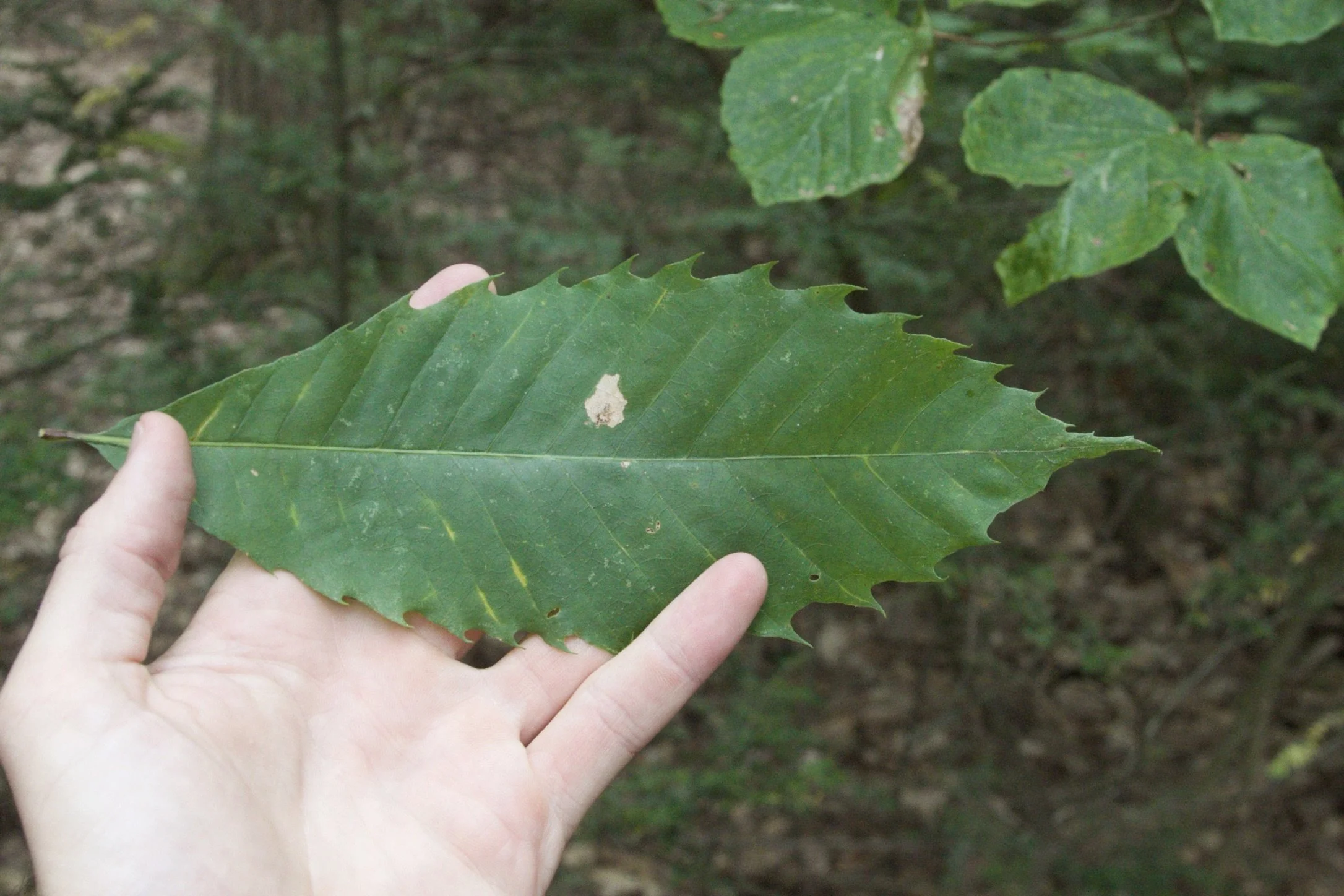
Why We Don’t Plant American Chestnuts
American chestnuts make for a bipartisan hero’s journey, steeped in patriotism and nostalgia. Decades of research spark perennial intrigue. Everyone is waiting for the return. In the meantime, there’s a massive opportunity that intersects with the American chestnut, but just might be wholly more actionable.
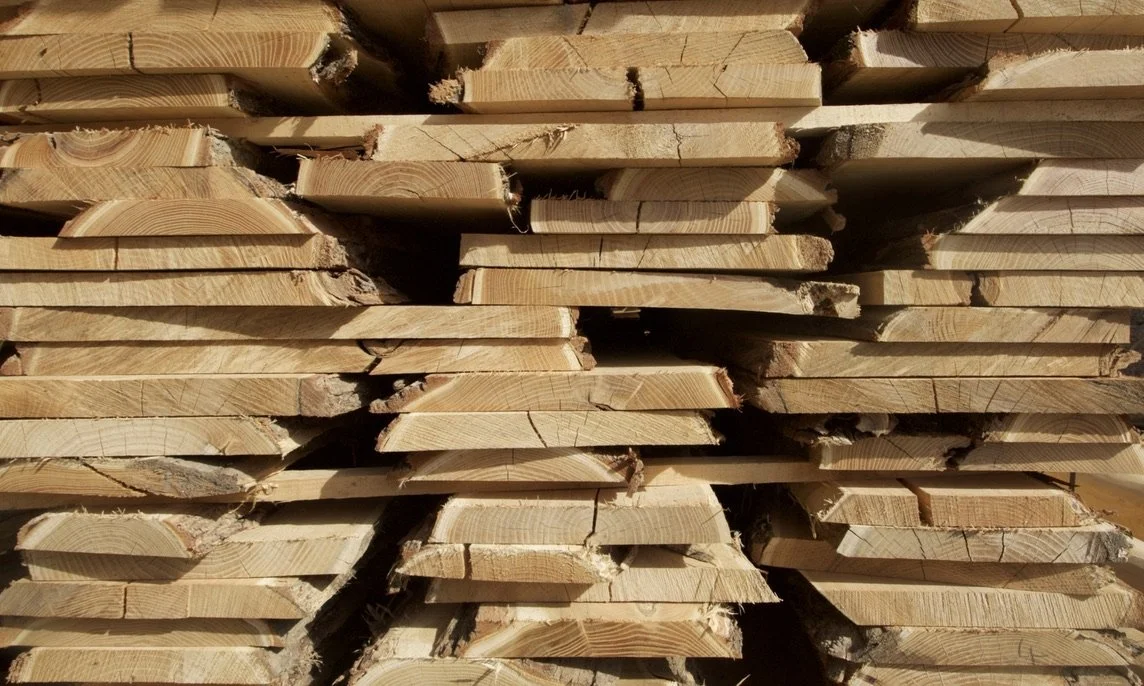
Black Locust Markets and Pricing
Black locust lumber and fenceposts are timeless and rot-resistant. But prices and quality vary. Some buyers seek high-end decking, while others just need fence posts to do the job. Learn more about markets and pricing for this extremely useful tree species, native to much of the Eastern United States.
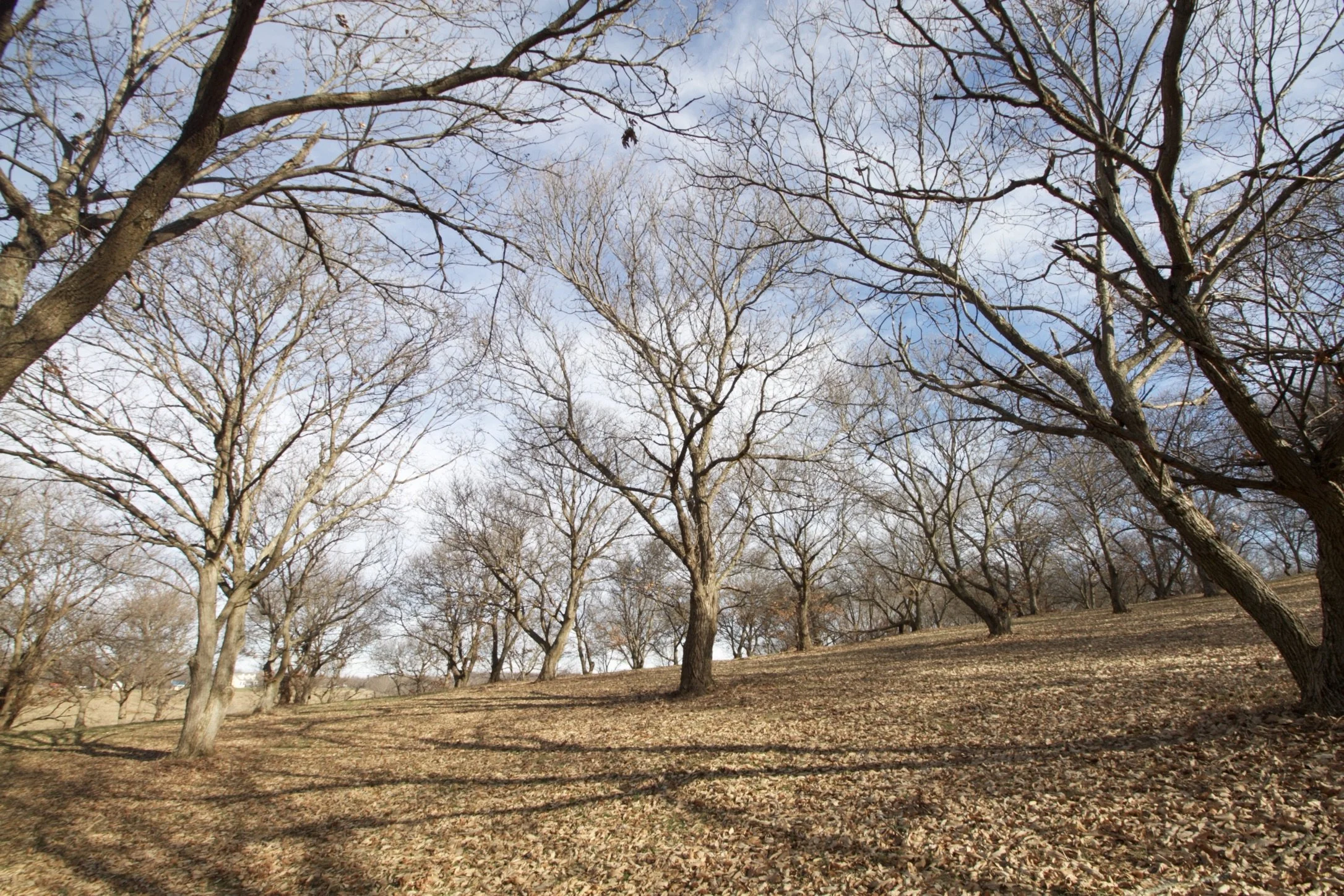
Funding Agroforestry
Funding agroforestry is a big topic. Should I pay out of pocket, or see if public funding is available? Long-term financial planning is vital, and astute farmers will look to bypass subsidies and just go for the goal. Here we dive into matching your ideal agroforestry system to sources of funding – including yourself.
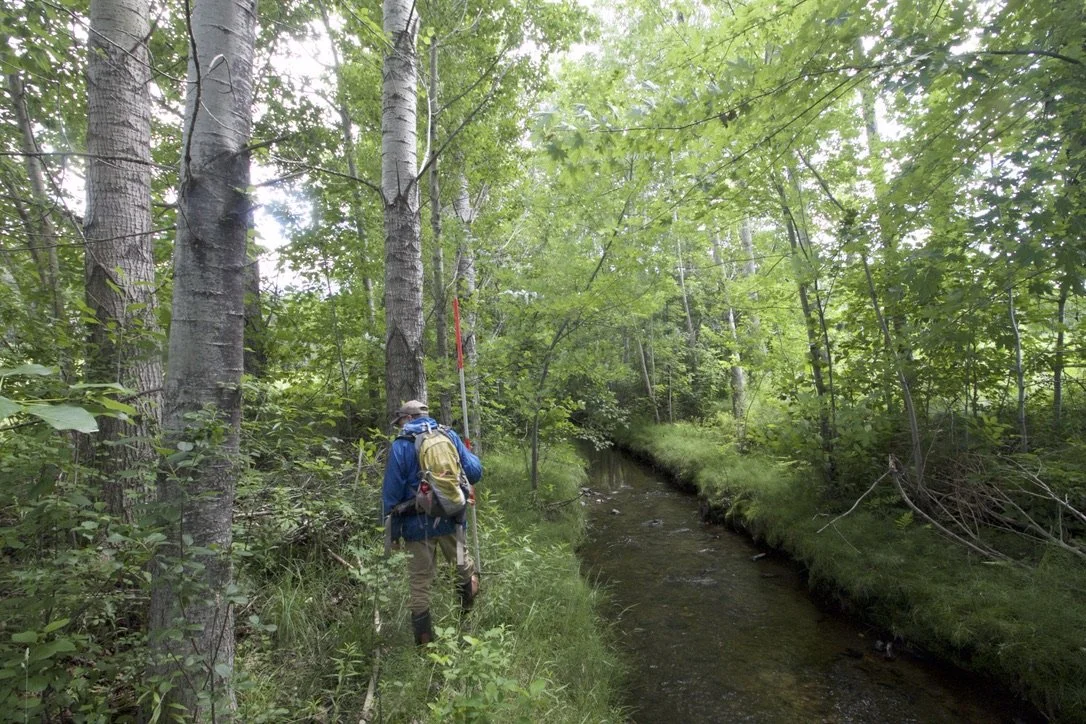
Profitable Riparian Buffers
Riparian buffers can be profitable farm enterprises if planned and managed well. Engineering these areas to generate income and grow asset value – rather than remain a management cost and liability – will increase their durability and generate economic value across rural America.