
Roasting and Beyond: 11 Sweet and Savory Chestnut Recipes from Around the World

Roasting chestnuts is an ancient tradition steeped in lore and romance. Humans began roasting starchy foods over open fires long before recorded history, with evidence of intentional chestnut cultivation dating back thousands of years. While the humble chestnut now finds itself splayed across the glossy pages of Vogue and in the kitchens of celebrity chefs like Dan Barber, the crop was historically considered a staple among mountain peoples, known in Italy as the "bread tree," falling into obscurity in North America with the emergence of chestnut blight (Cryphonectria parasitica) and the near-extinction of American chestnuts.
Here in the US, early adopters of chestnuts champion the tree's resilience, productivity, and potential to transform degraded agricultural landscapes at large scales, while avid consumers of chestnuts speak to its versatility as an ingredient in sweet, savory, gluten-free dishes (boasting a nutritional profile similar to a sweet potato). Chestnut fans fall along a spectrum ranging from the "chestnut-curious" to the "chestnut-crazed," all welcome at the figurative table.
Despite the imminent potential of chestnuts as a staple food, far too few Americans have ever consumed a chestnut — only 49% — and many are unable to identify a chestnut (how to ID a chestnut). Some grocery stores and street vendors sell chestnuts during the holiday season, but many American food markets lack the storage methods necessary to ensure consumers have the best possible chestnut experience. For this reason, we recommend ordering directly from chestnut farms; we'll highlight some good options later.
First, we'll list some of our favorite chestnut recipes from across the native range of chestnuts, including foods we've consumed abroad and foods we've experimented with in our own kitchens. Then, we'll tackle roasting. Finally, we'll point you to some great options for purchasing chestnuts, including fresh nuts and value-added products.
Recipes:
(1) Kestanice (Croatian Chestnut Candies)
(2) Rolada od Kestena (Croatian Chestnut Roll)
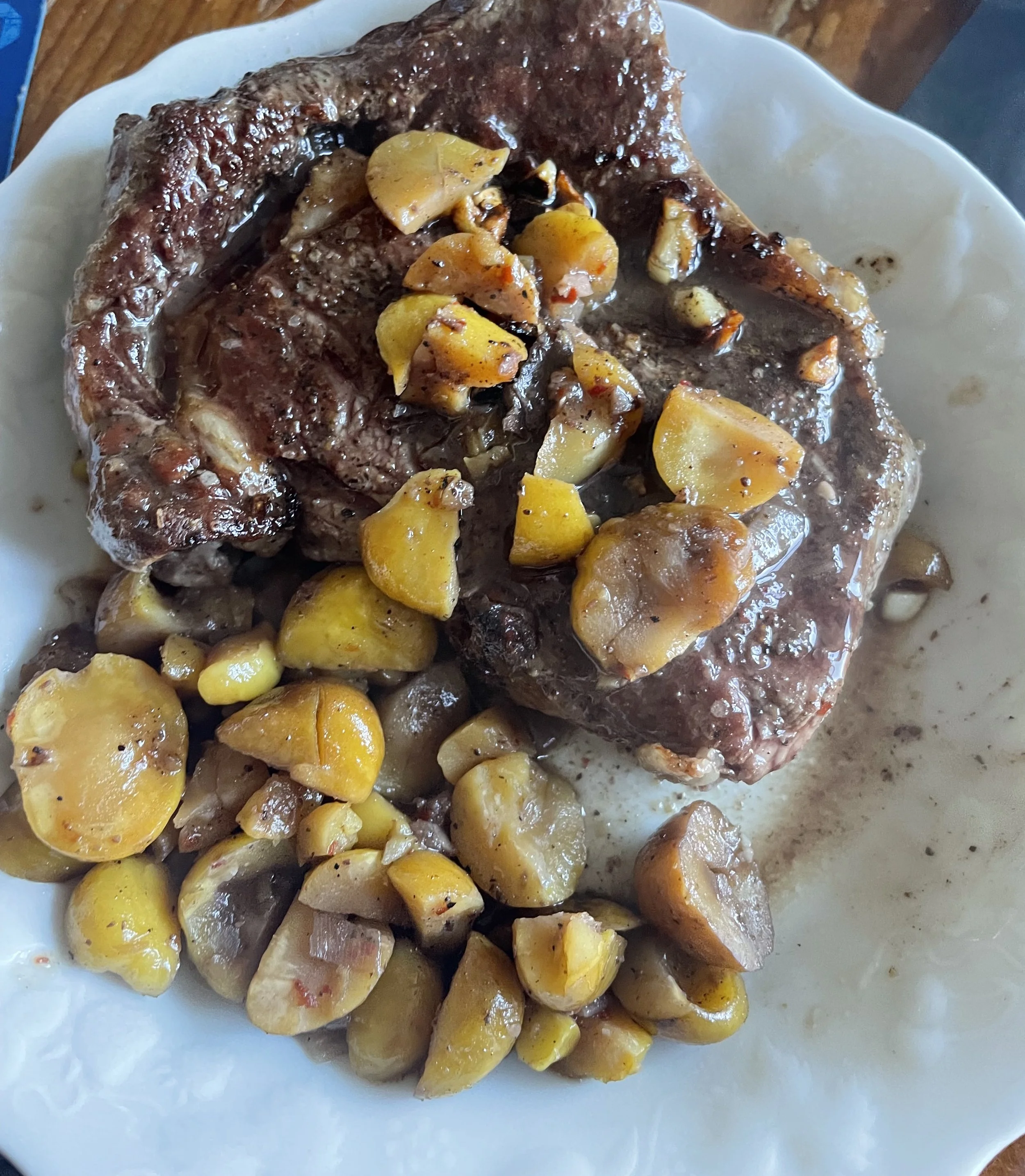
(3) Kestaneli Kuzu, Chestnut with Lamb (Turkey)
(4) Kestane Sekeri, Candied Chestnuts (Turkey)
(5) Castagnaccio (Italy)
(6) Necci (Italy)
(7) Chestnut-Porcini Risotto (Italy)
(8) 板栗红烧肉, Braised Pork with Chestnuts (China)
(9) 栗ご飯, Kuri Gohan (Japan)
(10) Three Sister's Stew and Chestnut Bread (Eastern Band of the Cherokee Indians)
(11) Roasted Chestnuts
The Castanea Genus: A Food Tour Across its Native Range
Centering the cuisine of cultures from within and around the Centers of Origin of a crop — the geographical areas where a particular species, or domesticated crop, first emerged — is one way to highlight recipes that are profoundly delicious, having stood the test of time. We imagine recipes as the culmination of centuries of iterative creation— many thousands of grandmothers laboring over a stove, generations of children with fingers red from peeling hot nuts, and foragers and farmers with backs sore from picking.
For some broad context: The Castanea genus first appeared 60 million years ago in East Asia, with separate species emerging 20 million years later — a result of the complex dance between tectonic plates, climatic fluctuations, submersing land bridges, and multiple migrations. There are now 9 species of chestnuts with distinct centers of origin and unique chestnut cultures spanning 46 countries, each with unique recipes to discover.
One of my favorite strategies for finding recipes of a given region is to search for some iteration of "chestnut recipe" in the region's native tongue —"receta de castañas" "ricetta alle castagne" "板栗食谱," "栗のレシピ," etc — then plug this into Youtube or your favorite search engine. Auto-translate the page while in the Chrome browser or turn on auto-dubbing in Youtube. No air travel required.
Recipes from Asia Minor and Europe
1. Kestanice (Croatian Chestnut Candies)
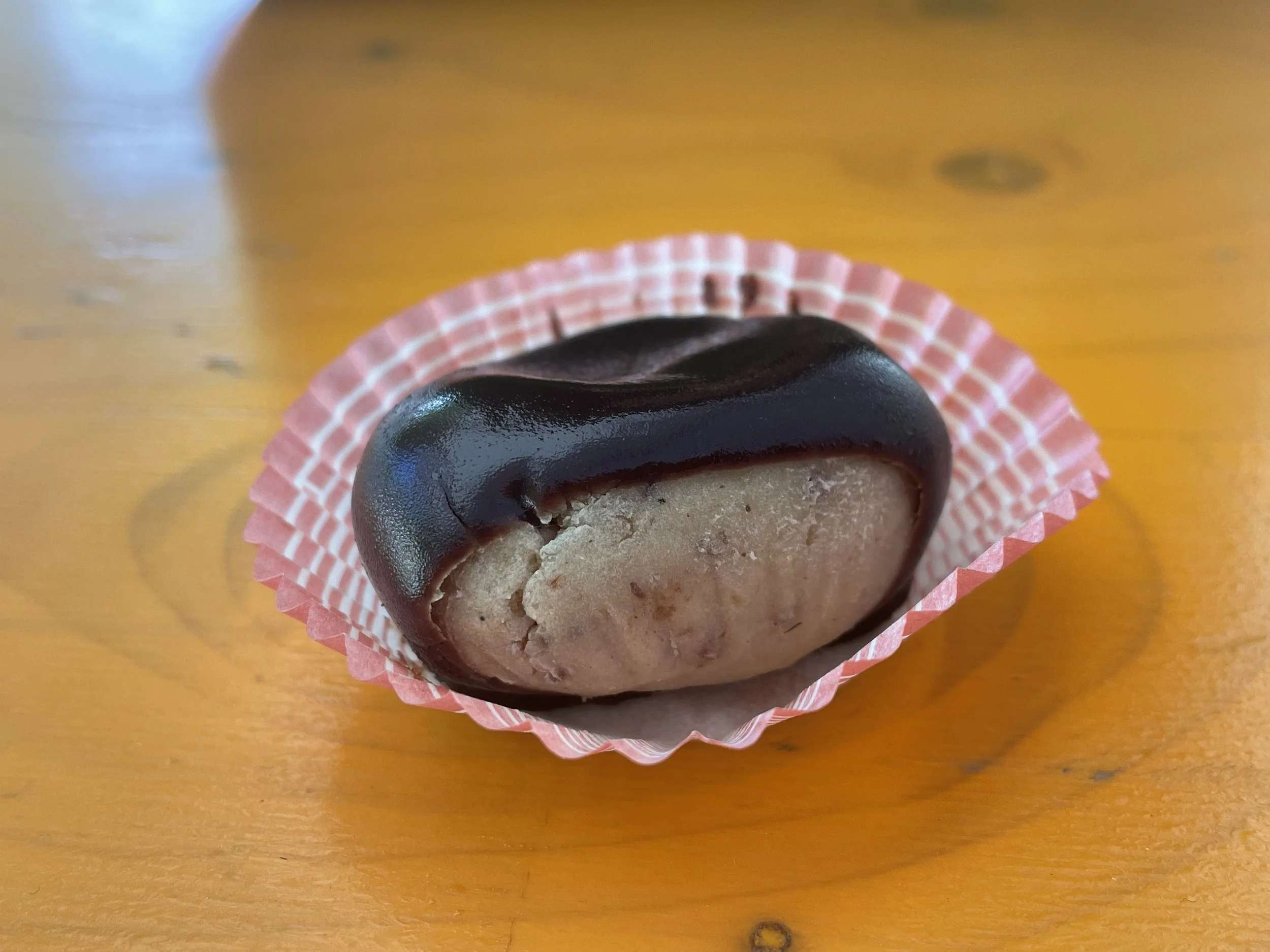
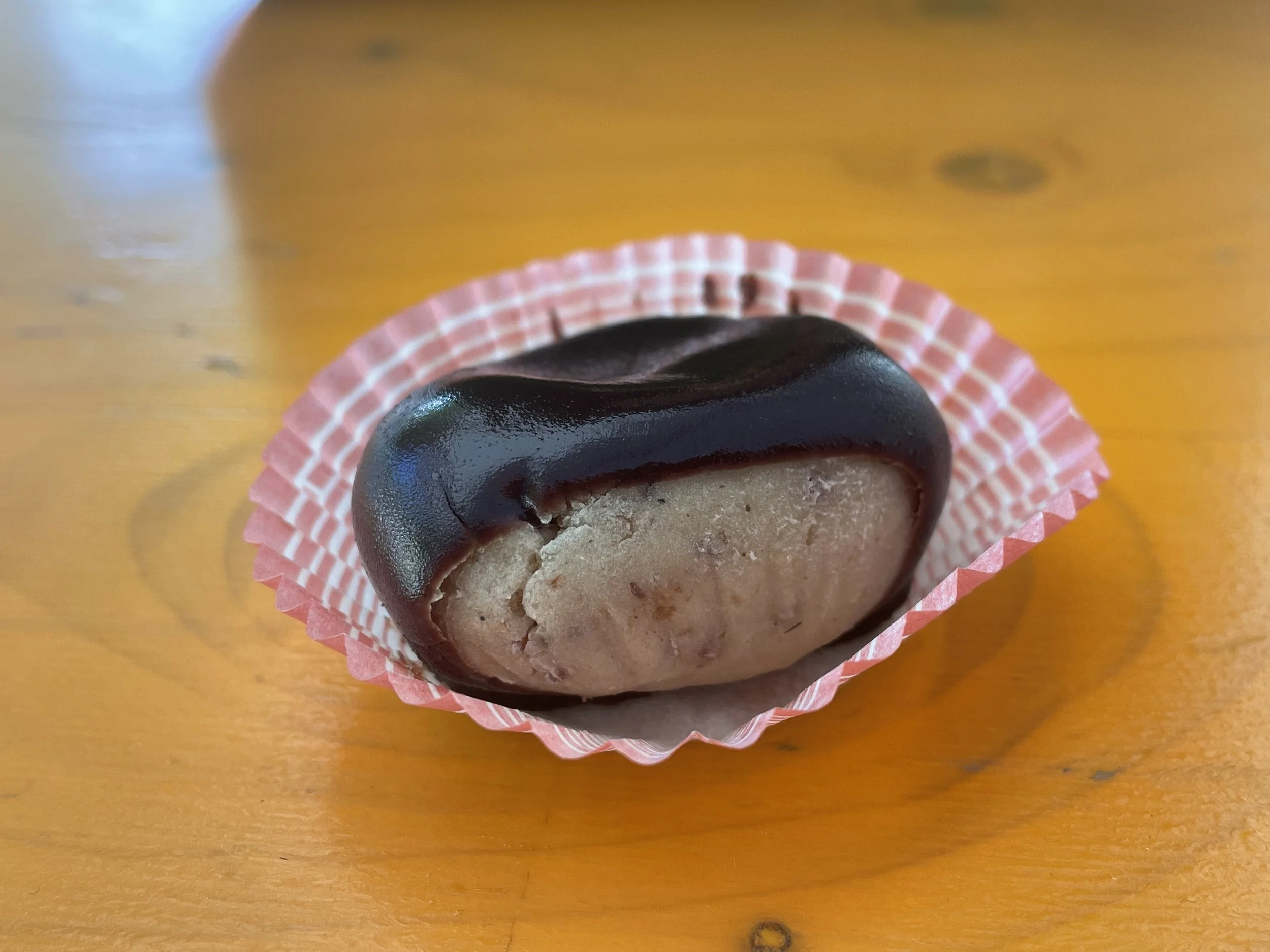
Kestanice (a rum- and chestnut-flavored candy).
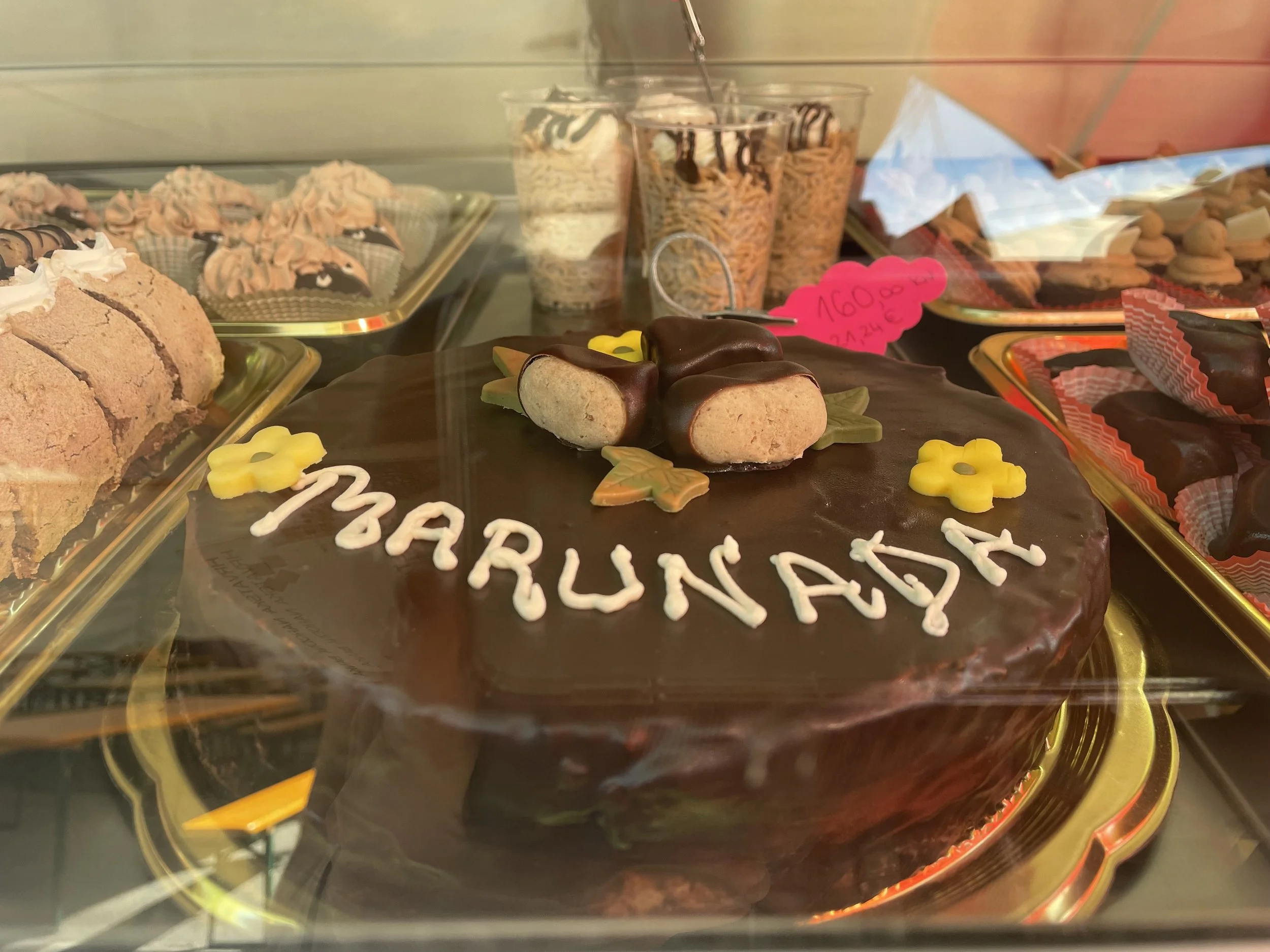
This recipe is a particular favorite of mine for several reasons. During a stay in Croatia, I had the opportunity to visit Marunada ("Sweet Chestnut Days")— a weeklong chestnut festival celebrated in several ancient towns along the Istrian coast. I first encountered Kestanice here, and the candies filled me with a sweet homesickness that only a fellow Ohioan would appreciate. Kestanice are essentially the chestnut-branded formulation of Buckeye candies, which is a peanut butter and chocolate confection found everywhere in Ohio — mass produced for grocery stores, rolled and hand-dipped by families in suburban homes. Once chestnut is a staple in American pantries, I'd like to think Ohioans will be the first and most amenable market for Kestanice, a rum-flavored, chestnut-paste based, chestnut-shaped chocolate candy.
A Kestanice recipe can be found here.
I’ve also translated it below. I didn't follow the above recipe exactly, adding rum flavoring as they did at Marunada and omitting the pecans/walnuts for maximal chestnut flavor. I encourage you to experiment with this one!


Ingredients (Chestnuts): 130 g butter, 120 g powdered sugar, 250 g chestnut puree, 320 g ground walnuts or hazelnuts
Ingredients (Glaze): 150 g dark chocolate, 3 tablespoons of oil
Steps: 1. Mix the sugar and butter, add the chestnut puree and finally the walnuts or hazelnuts. 2. Place the dough in the freezer for an hour. 3. Make chestnut shapes by making a hole in the middle and pulling gently into a V shape to make a chestnut shape. 4. Place the prepared cookies in the freezer for an hour. 5. During this time, melt the chocolate and dip the "chestnuts" in the chocolate.
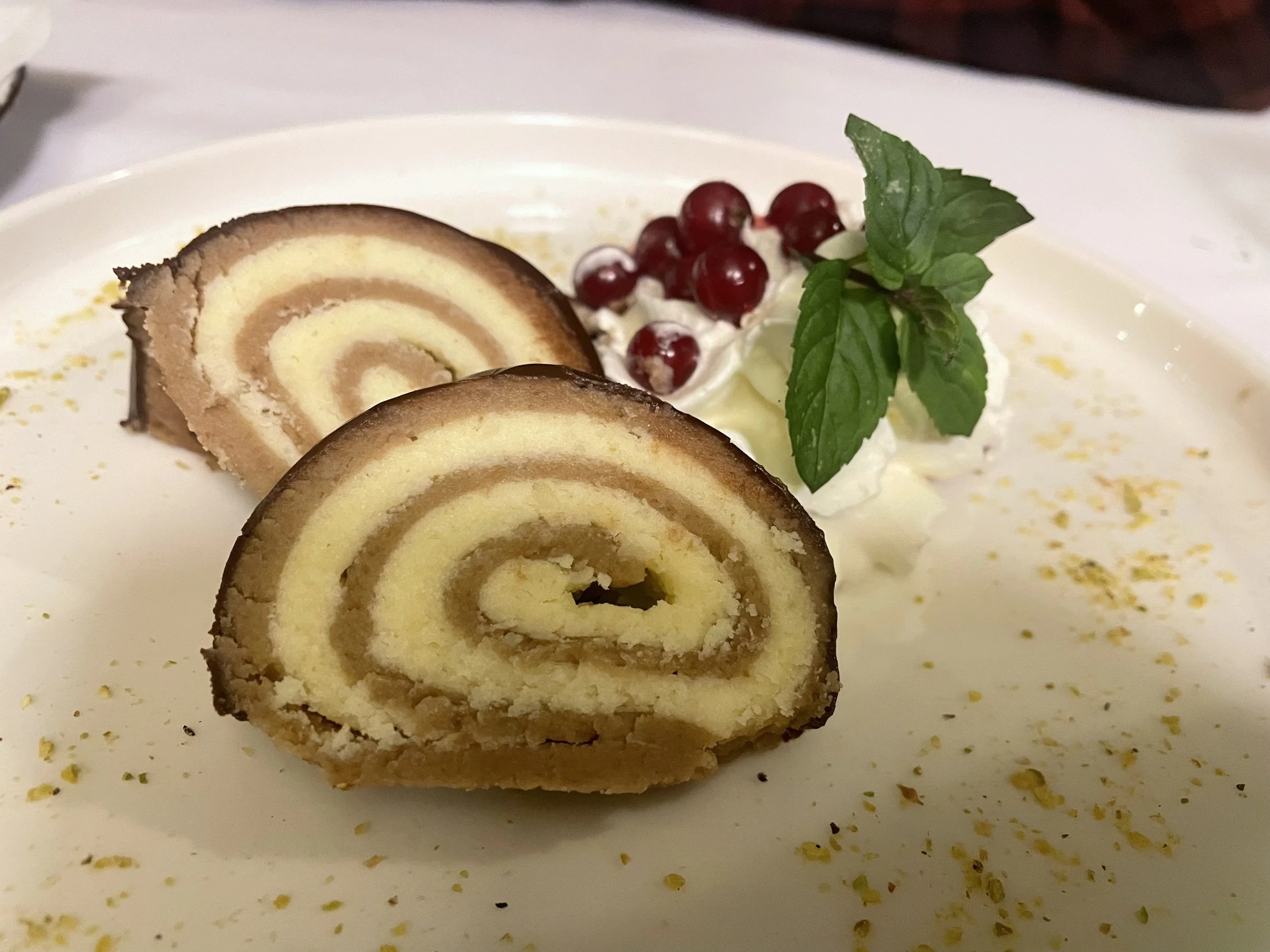
Rolada od Kestena
2. Rolada od Kestena (Croatia)
Another recipe from Croatia’s Marunada, Rolada od Kestena — a type of rolled cake with chocolate frosting and chestnut cream filling — reminds me of a simpler Bouche de Noël. Though I have not yet baked this dessert in my own kitchen, I think I’ll give it a whirl this winter. A garnish of fresh whipped cream, red currants, and a sprig of mint beautifies the dish while alluding to the currant-chestnut agroforestry systems springing up here in the United States! I’ll likely integrate chestnut flour from Route 9 Cooperative; we’ll see if the roll keeps its structure.
Chestnut Roll Recipe, in Croatian - use your auto-translate extension for this one (available in most browsers).
3. Kestaneli Kuzu, Chestnut with Lamb (Turkey)
Turkey is likely the genetic center of origin for Castanea sativa, the European chestnut, and is currently the world’s third largest producer of chestnuts. Though production here has declined in recent years due to gall wasp, chestnuts remain an important part of Turkish diets.
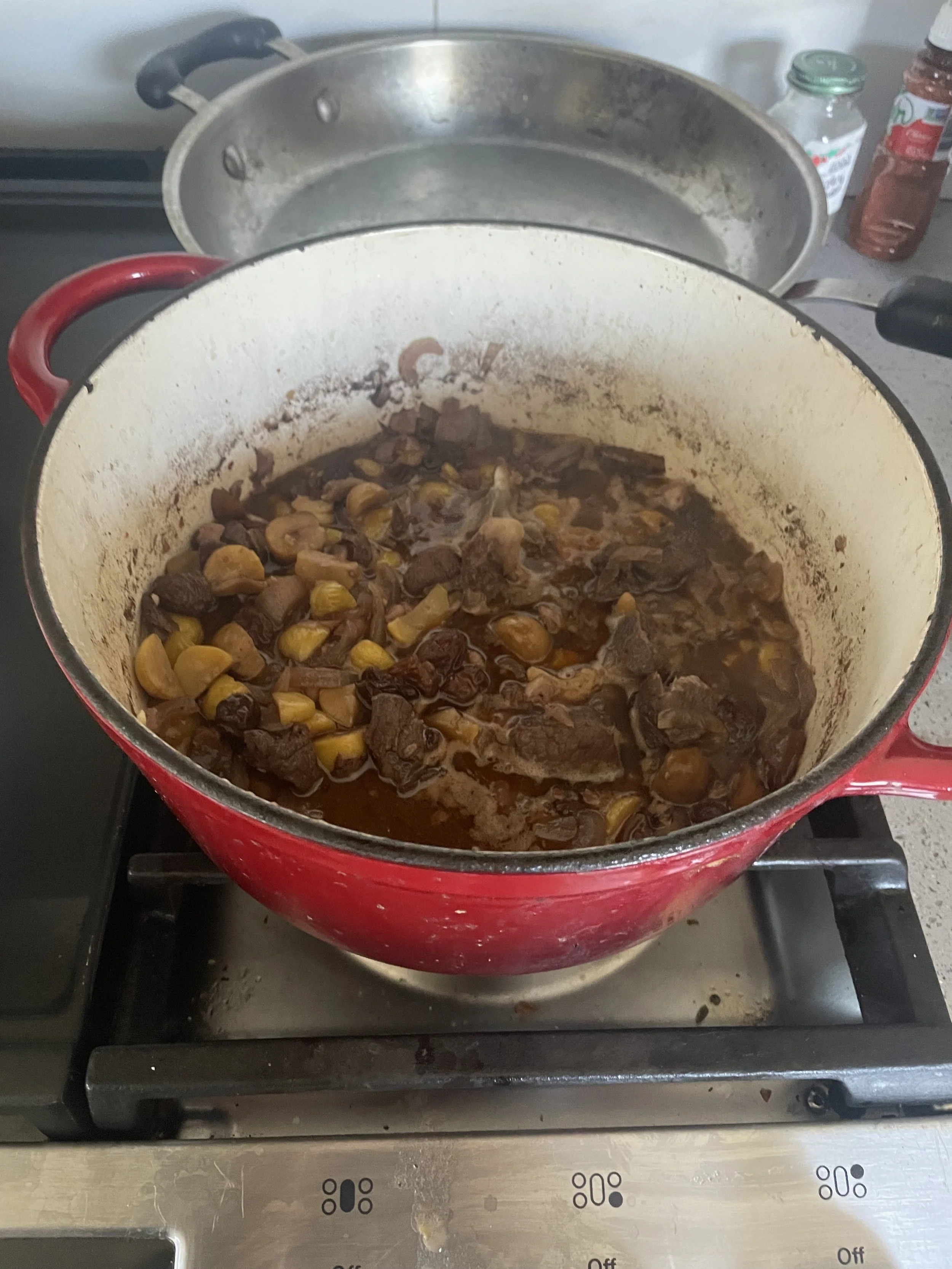
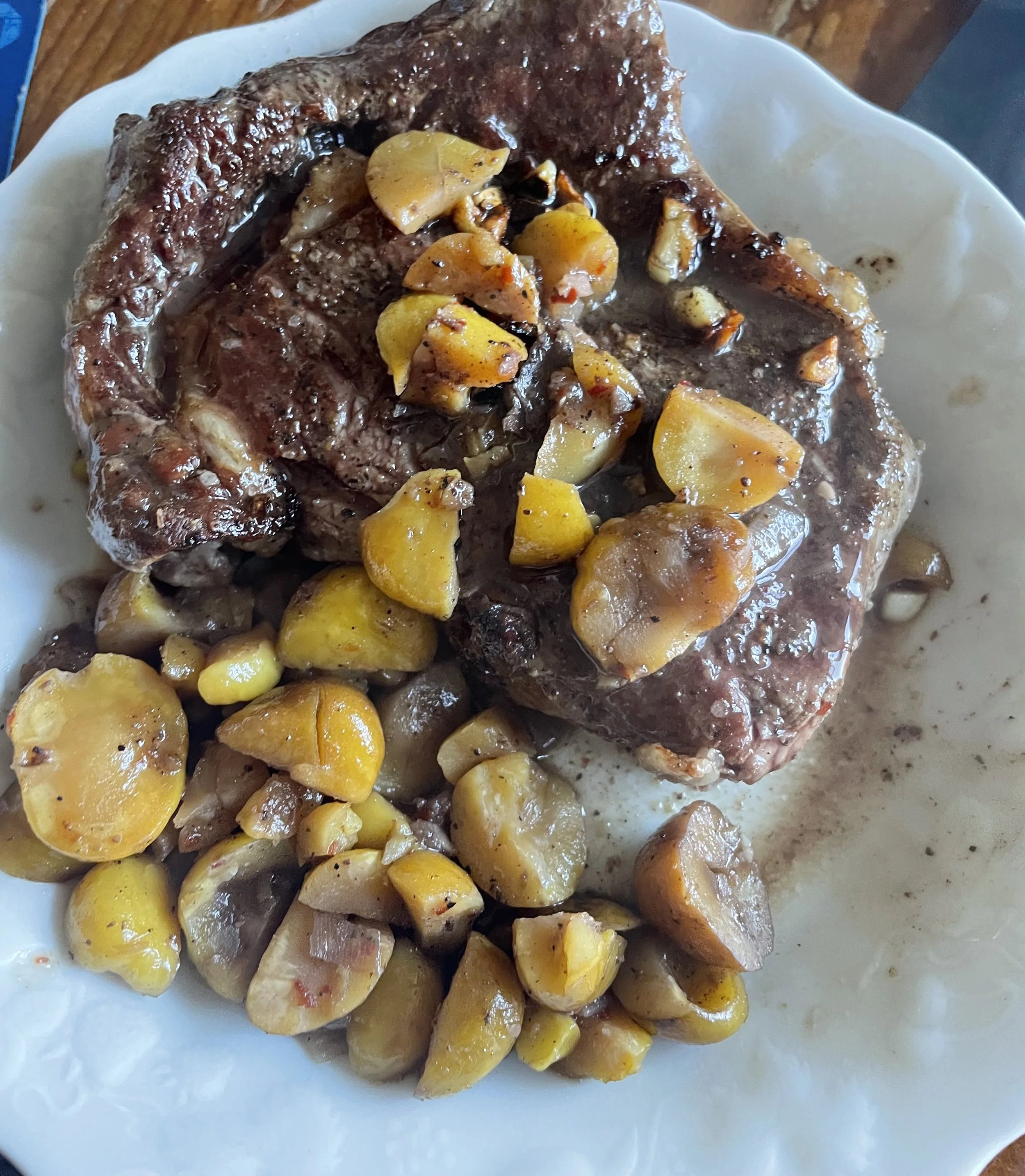
This Turkish dish has been a recurring favorite in my house— a savory and sweet lamb dish, with the red wine adding depth and complexity.
4. Kestane Sekeri, Candied Chestnuts (Turkey)
The Chestnut Heads reading this will have already heard of marrons glacés, a type of candied chestnut originating in France that can sell for upwards of $380.95/kg. What's less known is that there are many regional variations of candied chestnuts, including "Kestane Sekeri"— the Turkish candied chestnut, more often sold in jars (but not always).
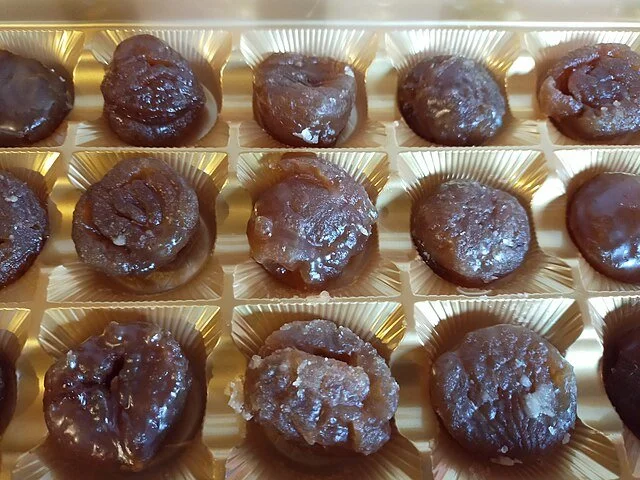
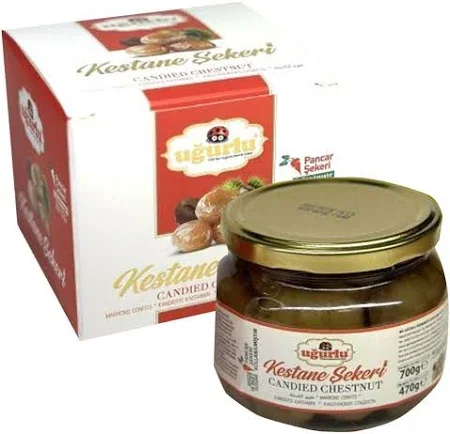
Marrons glacés are considered a delicacy because of the intensive confection process: Nuts are carefully hand-peeled, then repeatedly soaked, cooked, and candied in sugar syrup—sometimes over multiple days— to allow for gradual absorption of sugar without cracking. Finally, they're dried, glazed, and often individually wrapped.
Recipes for kestane serkeri are a little more approachable; we’ve linked a fairly simple recipe below.
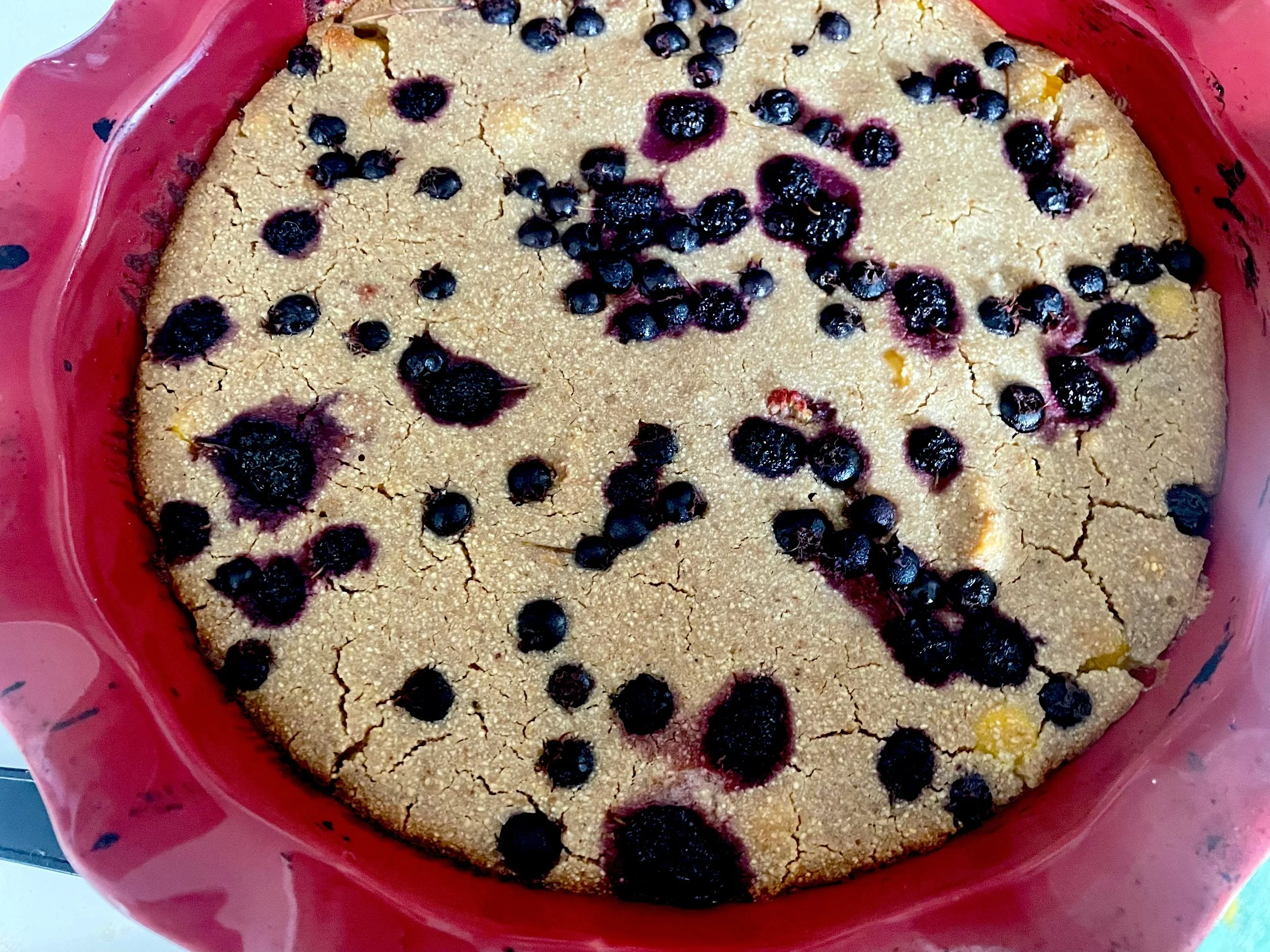
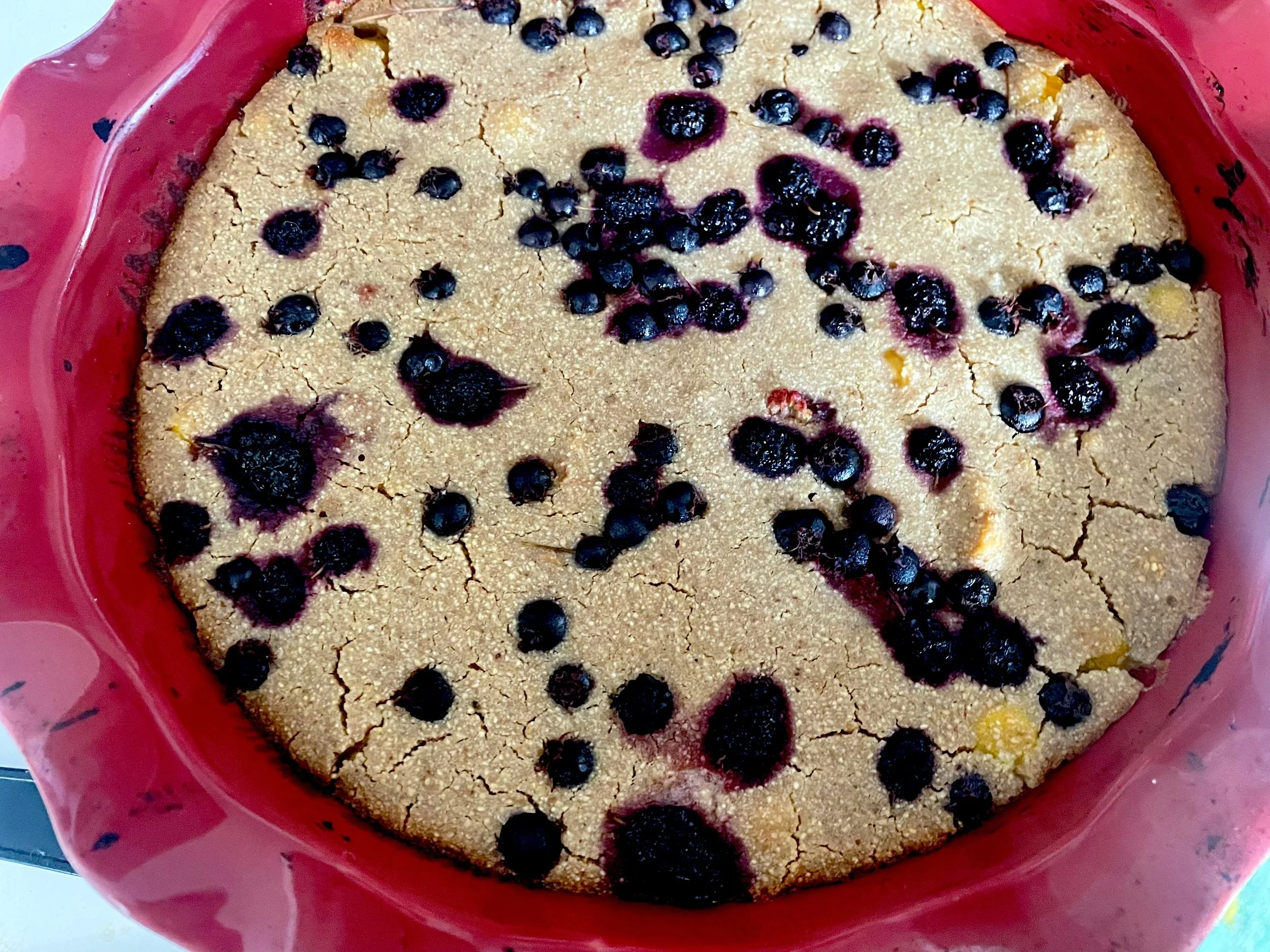
Castagnaccio with mulberries, serviceberries, & ground cherries
5. Castagnaccio (Italy)
Italy is a world-leader in chestnut production and a cultural hub for chestnut cuisine. Unsurprisingly, Italy—and specifically Sicily, home to the world's oldest chestnut groves—is a hot-spot for chestnut tourism among chestnut growers, who visit to learn about the country's unique processing capabilities, specialized harvesting machinery, and of course chestnut cuisine. You can read some old travelogues in previous Chestnut Growers of America newsletters.
Italian chestnut recipes are simple yet refined in a way that speaks to centuries of familiarity with an ingredient. I've eaten and experimented with a handful of Italian recipes, and can attest to their delectability.
Castagnaccio is a very simple cake made with olive oil, water, chestnut flour, and fruit and nut mix-ins.
This recipe's simplicity allows the flavor and sweetness of chestnut flour to shine, while letting you creatively integrate seasonal foods. I've bejeweled castagnaccio with various foraged and garden-grown ingredients: ground cherries, mulberries, serviceberries, and some fresh rosemary.
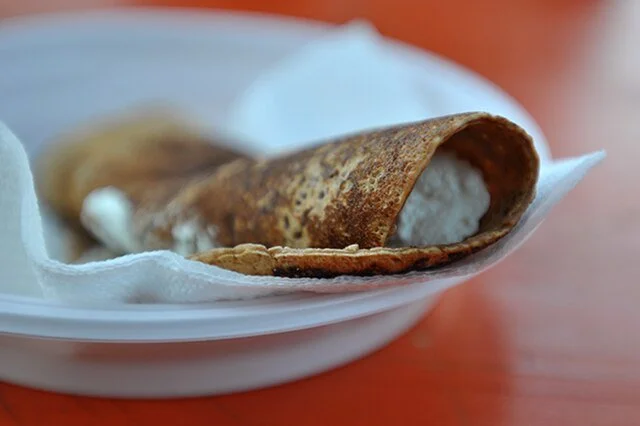
Photo courtesy Sara Varlani.
6. Necci (Italy)
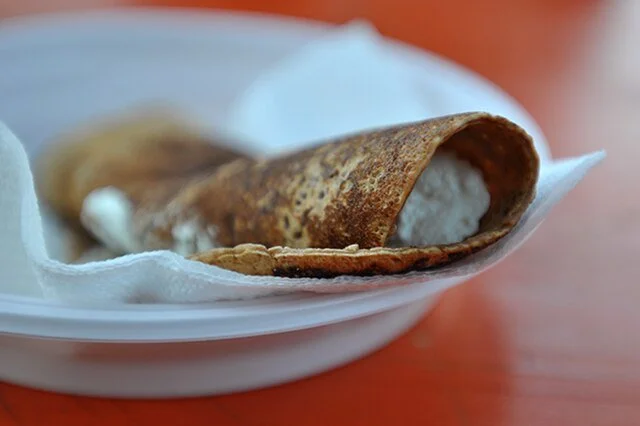
Necci are thin, crepe-like pancakes filled with fresh ricotta.
Although you can buy pre-formulated chestnut pancake mix directly from farmers, you can also whip up these simple pancake-like Italian crepes from scratch. Specialized pans are unnecessary to make Necci, but are certainly a fun addition to the kitchen (you can buy Necci pans, a type of specialized cast iron skillet, from Breadtree farms, the only American purveyor of this heritage cooking pan).
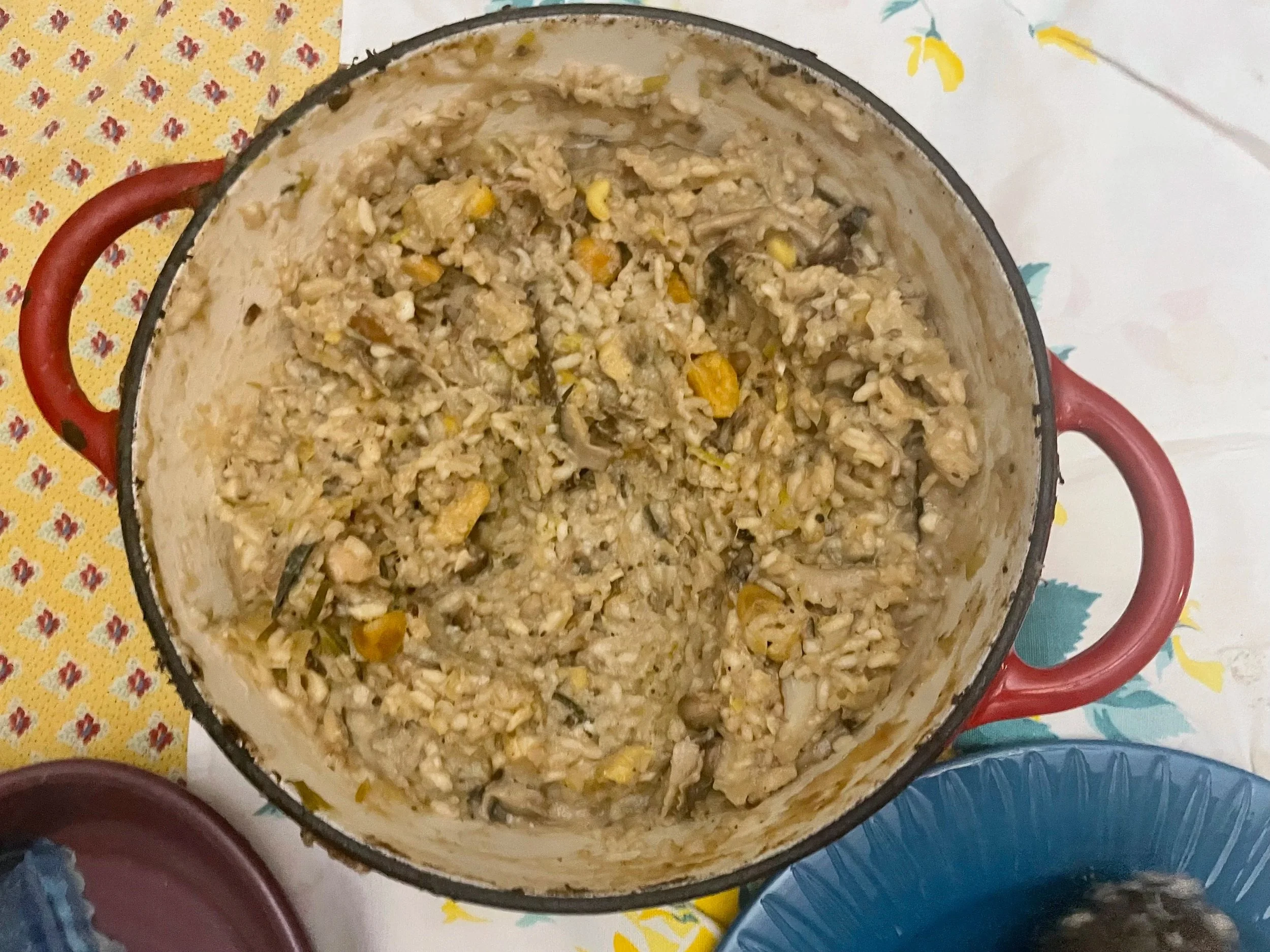
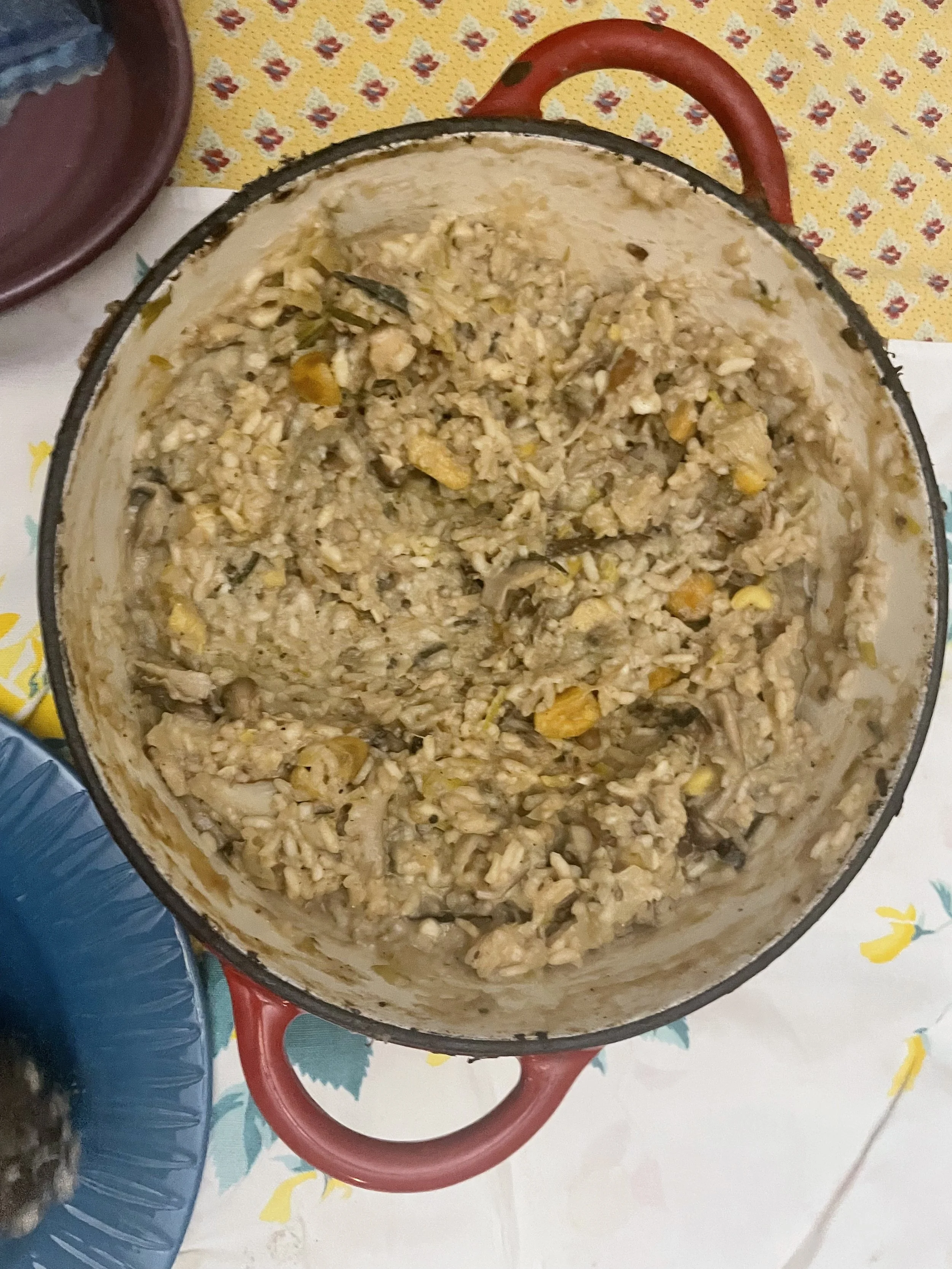
Chestnut-porcini risotto.
7. Chestnut-Porcini Risotto (Italy)
Anyone who’s made risotto can speak to the challenge of getting it just right— the seemingly endless stirring and attention needed to achieve a creamy, even texture; the high likelihood of a small misstep cascading into regretful mush. Risotto 101, for the uninitiated.
This chestnut-porcini risotto is well-worth the effort, in my opinion. I brought this to a Friendsgiving in 2024, and the crowd loved it. As an agricultural aside, porcini mushrooms may grow symbiotically with Chinese chestnuts per ongoing on-farm research. This dish exemplifies how cooking can support agricultural storytelling: we can showcase how integrated agroforestry systems work in a single meal.
Recipes from East Asia
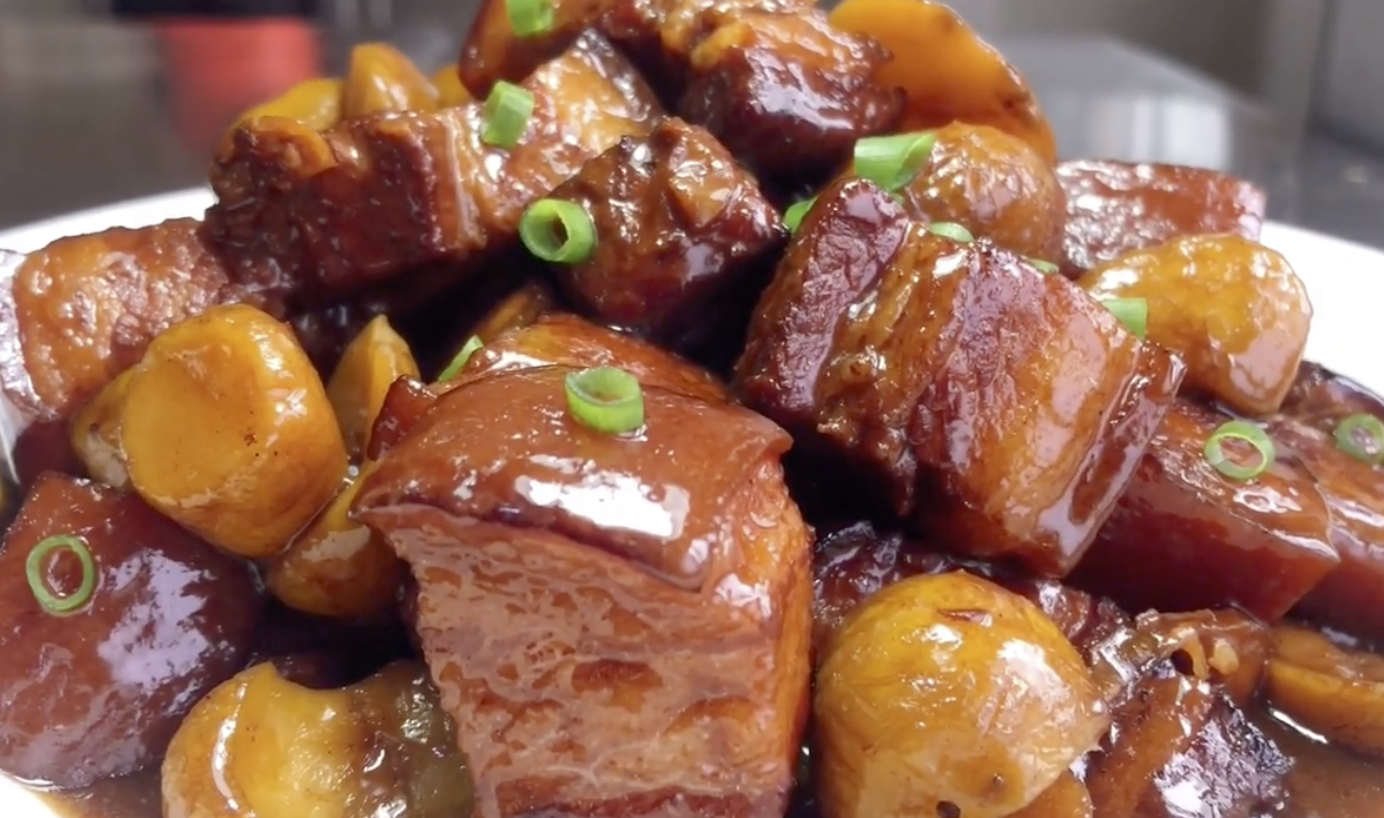
Braised pork with chestnuts. Photo courtesy LiYui Cuisine.
8. 板栗红烧肉, Braised Pork with Chestnuts (China)
As the center of origin for Castanea mollissima (the Chinese chestnut) and the number one producer of chestnuts globally, China is a wealth of cultural resources that would greatly benefit the developing United States chestnut industry. Unfortunately, cultural knowledge transmission and technological transfer between our two nations remains limited. Some chestnut growers have had the privilege of visiting chestnut-growing regions in China, and have brought back invaluable genetic resources and knowledge that is foundational for the current chestnut industry.
Braised Pork with Chestnuts is one Chinese recipe I've tried — and loved! — though I look forward to the day that more Chinese chestnut recipes enter the American culinary sphere.
Here's a link to the recipe — we recommend turning on English sub-titles!
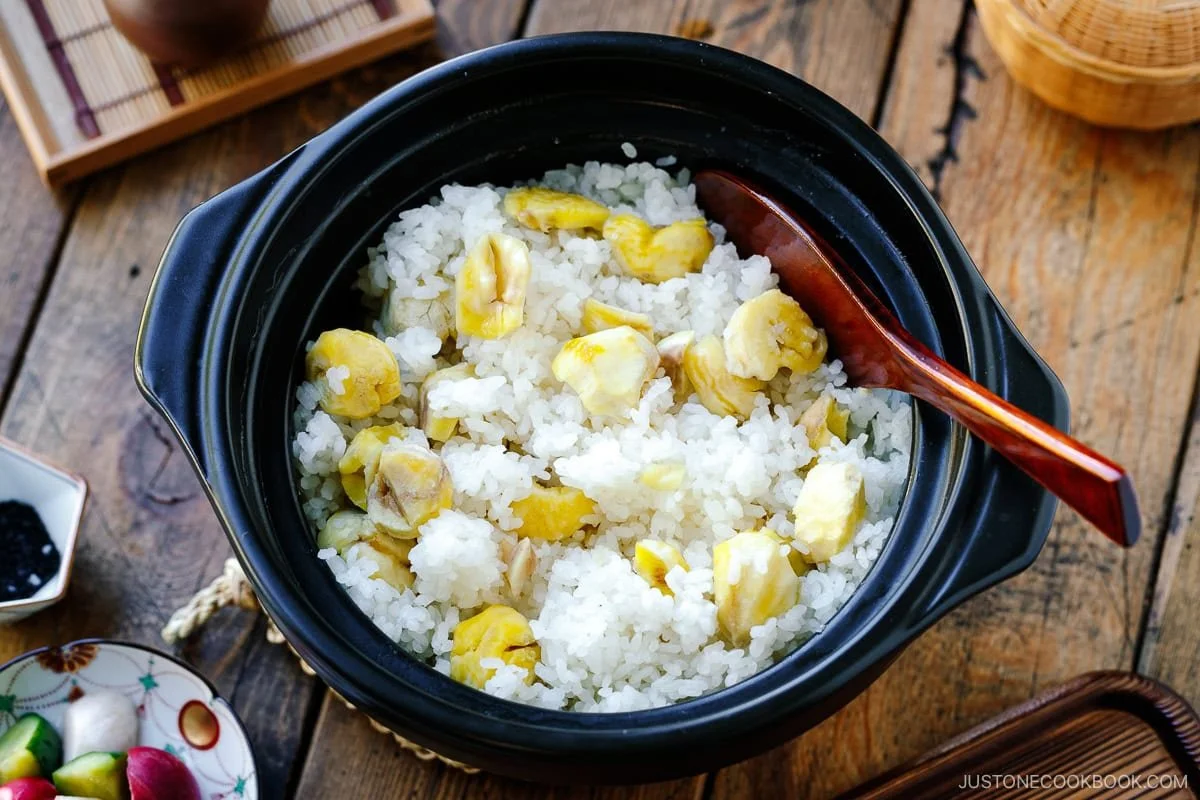
Kuri Gohan, via JustOneCookbook.
9. 栗ご飯, Kuri Gohan (Japan)
Japanese chestnuts, or kuri, are a popular seasonal food in Japan, the center of origin for Castanea crenata. This recipe composed of rice and chestnuts speaks to the ability of chestnuts to elevate the simplest of dishes, especially during the harvest season when nuts are particularly fresh and flavorful! Seasoning ideas like toasted black sesame seeds and chili crisp take it to the next level.
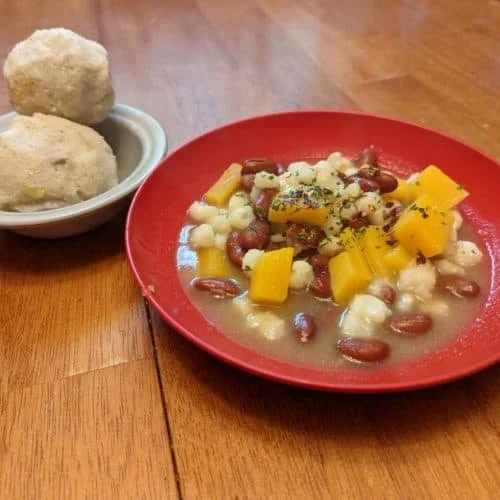
Chestnut bread and Three Sisters stew. Photo courtesy of the Cherokee Tribal Food Distribution Program.
Recipes from North America
10. Three Sisters Stew and Chestnut Bread
Chestnuts were a substantial food source for the native peoples of North America prior to colonization. Few recipes exist from this time, in part because of settler colonialism, in part because of the decline of American chestnuts. Some native people continue to prepare chestnuts, adapting old traditions to a modern context.
This Cherokee recipe for chestnut corn bread showcases the nut's versatility.
As North American chefs and consumers are reacquainted with this heritage food, we anticipate many more recipes originating from North American kitchens in the future.
11. Everywhere, Roasted Chestnuts
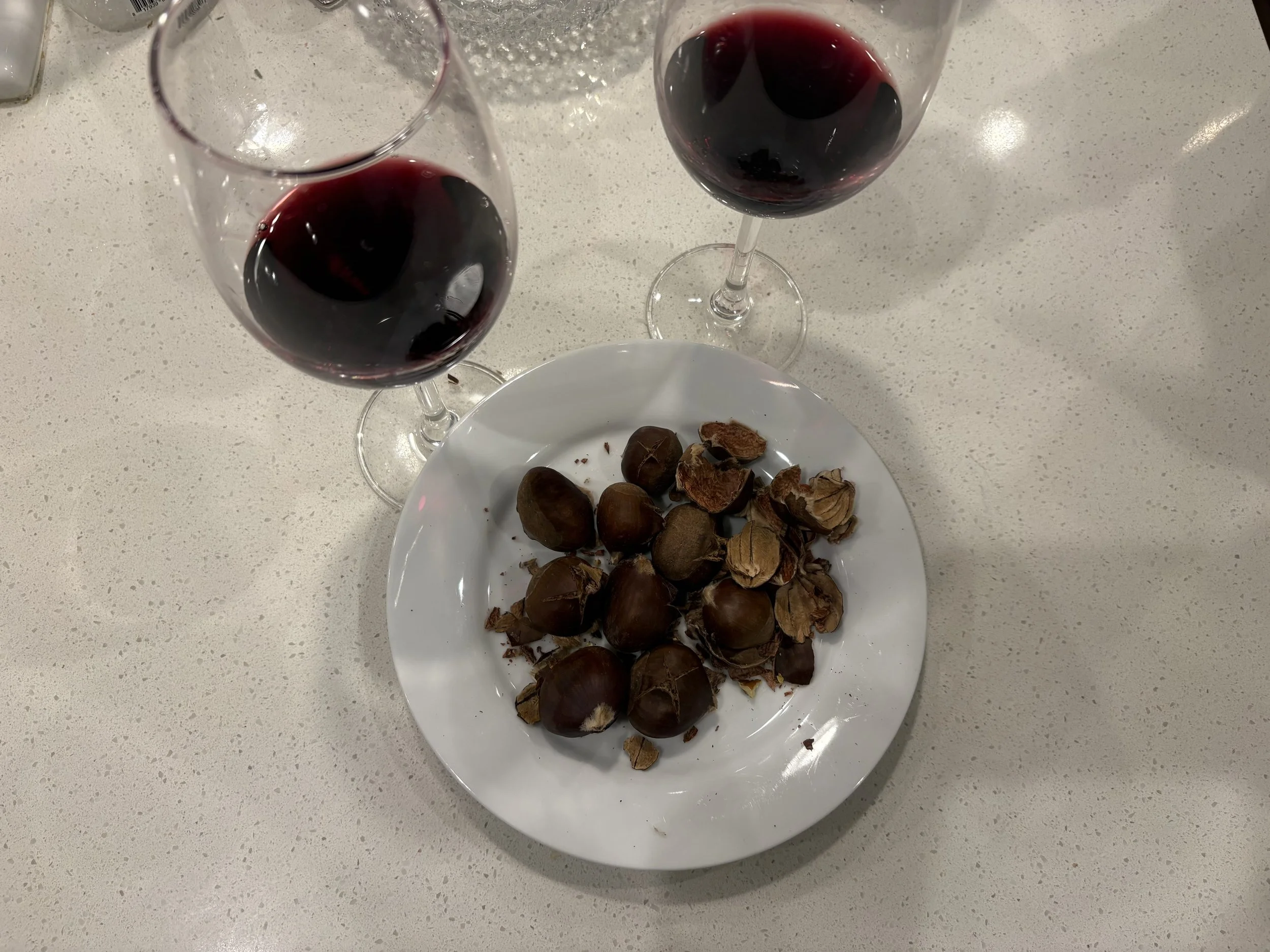
Peeling roasted chestnuts with your sister over a glass of wine — a great way to do it.
Tools: You'll need a baking sheet (your roasting pan), a kitchen towel, cutting board, and scoring knife to get started. A paring knife and even a serrated knife can work for scoring nuts, but we prefer a dedicated scoring tool, à la this one via the Great Chestnut Experiment.
Scoring nuts. Before roasting chestnuts, slit the nuts, creating an "X" (a "clamshell cut") on the rounded side of the nut, cutting through the hard outer shell but not into the nut meat. Others from our team suggest cutting once across and into the nutmeat for ultimate ease of peeling. If you have cutting gloves, use them — a rogue nut can cause a bloody mess!
Why Scoring is Essential: A chestnut shell is a sealed vessel. As nuts heat up in the oven, the moisture inside of them turns to steam, building up pressure. Without an escape route, this pressure will cause chestnuts to explode. Scoring the outer shell creates a necessary vent, allowing steam to release safely during the cooking process. This step also eases peeling once chestnuts are roasted.
Soaking scored nuts. Soaking nuts in a bowl of water overnight (10 hours or so, we’ve soaked them for less) allows moisture to enter the incision, loosening the skin around the nut to ease peeling. Alternatively, you can boil chestnuts prior to roasting, if you lack dedicated time to soak nuts. A quick boil around 1-2 minutes should be sufficient.
Roasting: In the absence of an open fire, the oven is a perfectly suitable (and even preferable) alternative for roasting nuts. Set the oven temperature to 425 degrees Farenheit, and roast for a cook time of 15-20 minutes, with nuts facing score-side up on your baking pan.
Steam and peel! After roasting, wrap in a damp tea towel for 15 minutes to let the steam further separate the shell from the nut meat. Peel immediately. Shells can tighten if you wait too long.
Where to source chestnuts
The chestnut harvest season begins mid September and extends through late October, with some variation between regions and cultivars. Cold storage and value-added preservation of nuts extends the chestnut season significantly — chestnut flour and chestnut chips can last for longer in the pantry — but fresh nuts are typically only available through the holiday season, with nut sales wrapping up around Christmas due to limited supply. We advise you store your nuts in the refrigerator between 33-35 degrees. .
Though many farmers sell out within hours of posting fresh product to their website, some internet retailers may still have some nuts available for purchase:
Route 9 Cooperative in Carrollton, Ohio;
Chestnut Charlie's in Kansas;
Chestnut Growers Inc. from Michigan;
The Great Chestnut Experiment, for chestnuts gift boxes and other chestnut paraphernalia;
The Chestnut Growers of America website has a directory available on their website, so you can support farms in your locality.
Want to learn about chestnut production and marketing?
Propagate is an agroforestry service provider.
We plant chestnut trees on American farms for both sustainability and profit.
You can reach out to us learn more about our services, which include agroforestry design, economic modeling, site preparation, tree planting, and management.