

News & Research
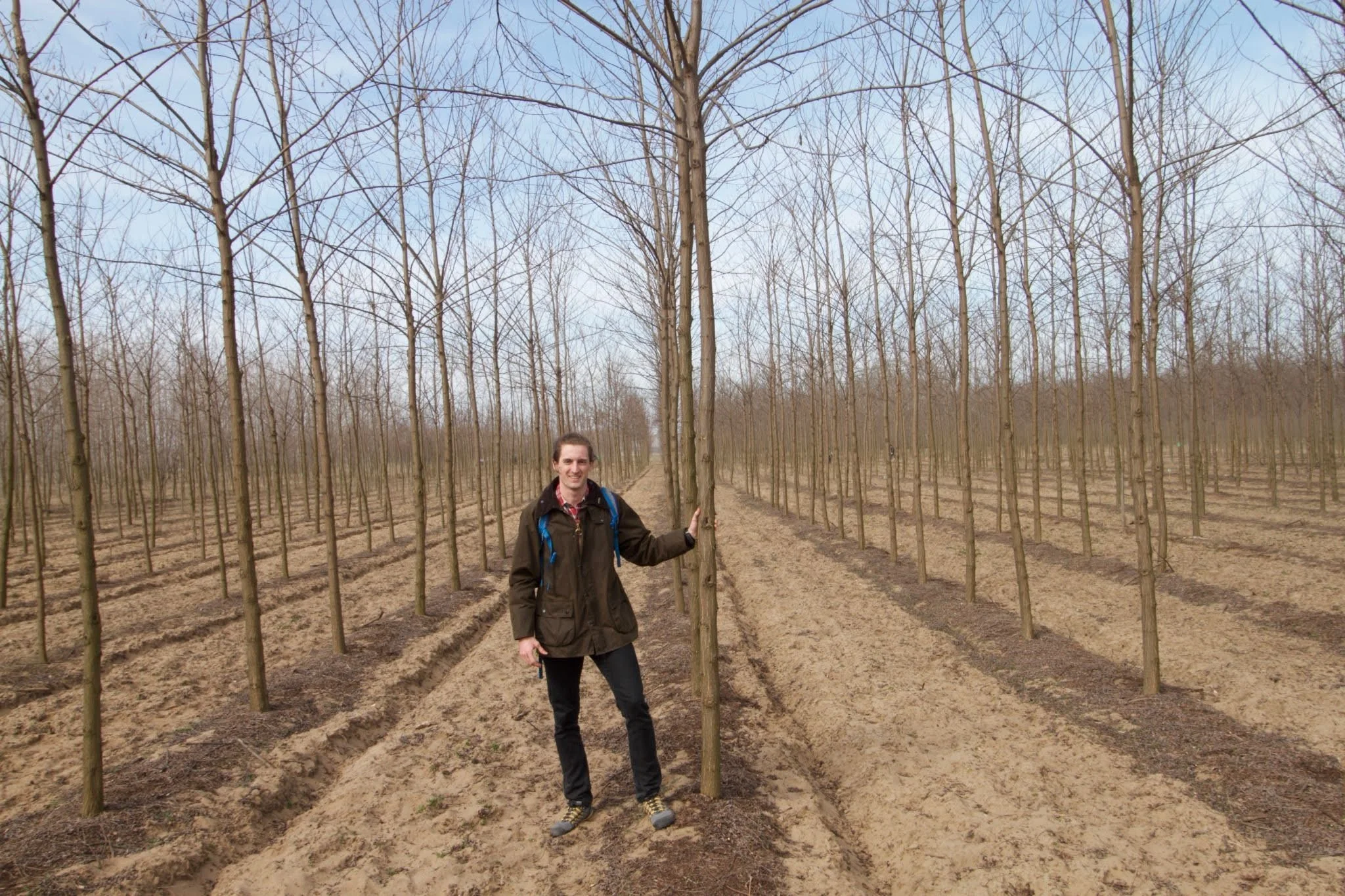
Black Locust Genetics & Management: What You Need to know
I’m on my way back from Hungary, having made the time to write this on the plane. Hungary is known for black locust, Robinia pseudoacacia, and I’d like to share a bit of what I’ve learned while working with this species over the past 10 years. I’ll run though how Hungary grows black locust currently, what improved Hungarian black locust genetics look like, and keys to success for growing black locust in the United States.

Propagate and Rodale Institute Partner to Grow Adoption of Agroforestry
Propagate and Rodale Institute are pleased to announce a new strategic partnership to promote agroforestry. The goal of the partnership is to increase the adoption of agroforestry and tree crop systems in North America.
As part of the agreement, new agroforestry educational hubs will be established at the Institute’s research sites in eastern Pennsylvania. The demonstration farms serve multiple purposes: to raise awareness, provide education on regenerative agriculture practices, and provide opportunities to advance research.

Silvopasture Creates Profitable and Resilient Food Systems
Livestock producers face increasing threats to farm viability from thin profit margins to extreme weather, and shifting consumer demand.
Silvopasture, a form of agroforestry, is one tool in our regenerative toolkit that provides a host of benefits to producers, consumers and the planet, simultaneously.

New Research Quantifies Economic and Ecological Impacts of Silvopasture
Researchers from Propagate and The Nature Conservancy estimate there are between 14 million and 62 million acres of potential opportunity to expand silvopasture practices in the eastern United States. This level of practice expansion, according to researchers, could capture between 4.9 million and 25.6 million metric tons of carbon dioxide emissions per year.

Chestnuts & Agroforestry: Massive Opportunity for American Farmers
Producing chestnuts in the United States represents a significant opportunity for farmers to meet a growing and under-served demand. In 2022, the U.S. imported roughly 6.7 million pounds valued at $9.8 million. That demand could easily be satisfied with domestic production, bringing substantial profit to U.S. farmers.
Through our work to date, we’ve discovered that chestnuts are the perfect complement for crops in agroforestry systems.

Alley Cropping with Forage Crops
Alley cropping presents an opportunity for farms producing forage crops at-scale to reinvigorate their existing operations. Farms can generate additional streams of profit from fruit, nut and timber while addressing challenges that threaten crop yield like soil erosion, nutrient loss and extreme weather.
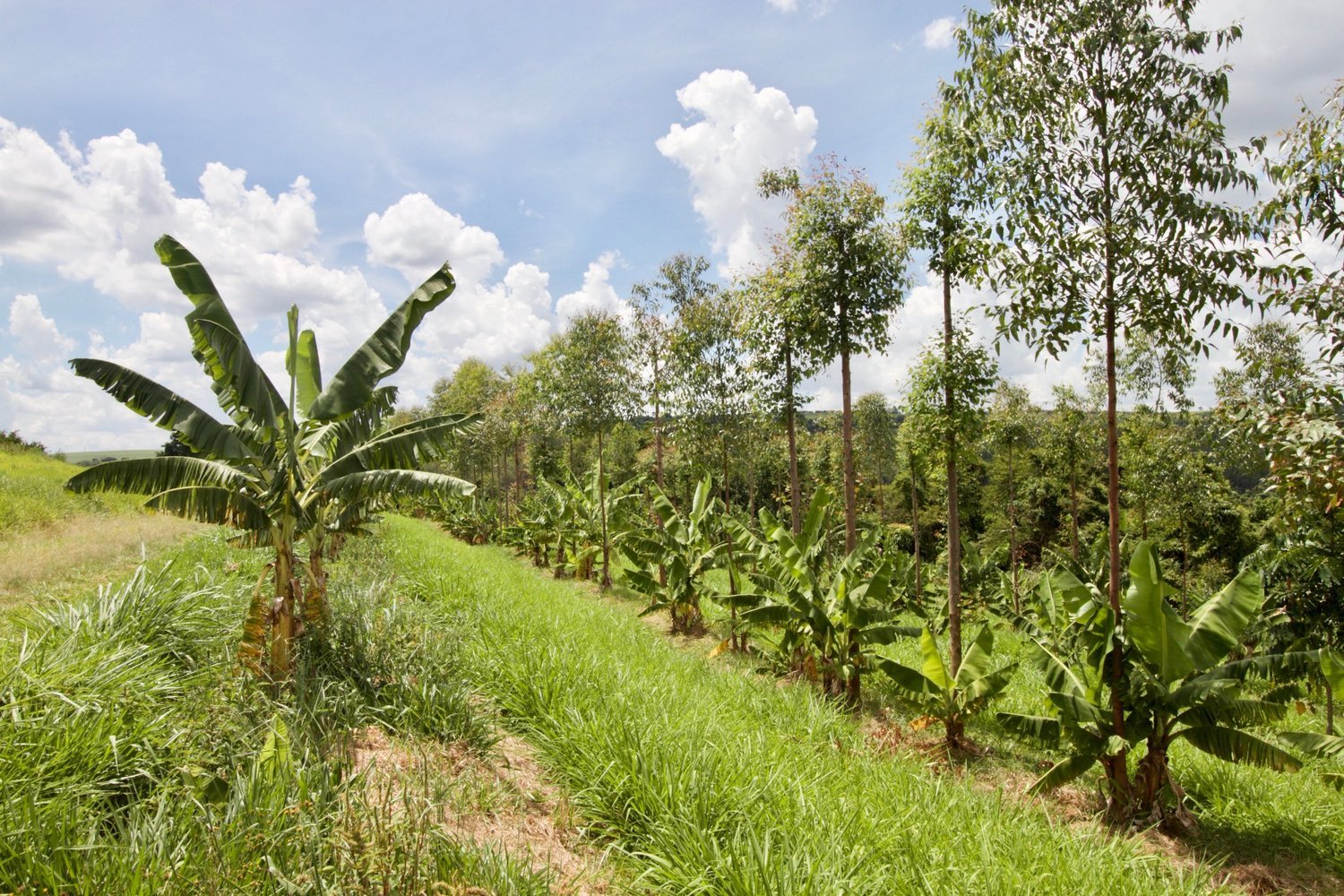
Cold Climate Syntropic Agriculture
Syntropic farming has taken hold in Brazil and the tropics, but today we ask: How can we apply these concepts to cold climates?

An Honest Look at SaaS Adoption in the Farming Industry in America
The farming industry in America needs to rally around SaaS adoption and implementation. Technology can help scale local farms and businesses to meet demand.

How Do We Define Reforestation in the Farming Industry?
To define reforestation specifically in the farming industry, we look to efforts happening and the impact of these reforestation efforts at a global scale.

The Agroforestry Advantages for Farmers are Environmental and Economical — Here's Why
There are both environmental as well as economical advantages to agroforestry. We list them here and help farmers and landowners start their own process.

Achieving Deep Decarbonization in the Hudson Valley Region
The rest of the US can take note from the deep decarbonization efforts happening in the Hudson Valley Region. Here's what's going on and what's working well.

Redefining Agroforestry Systems Through Agtech
Agroforestry systems are critical to the development of global land, so where does agtech make an impact on their development and maintenance? Learn more now.