

Scaling Chestnut Agroforestry
We partnered with Hill Farms, a conventional row crop grower, and created Agroforestry Partners, a fund manager to finance large-scale chestnut & hay production.
By The Numbers
1,850 total acres
14 Farms
150,000+ trees
Propagate and Agroforestry Partners are the next chapters in my efforts to meet the needs of the market through the wise utilization of our natural resources in ways that lead us to a more sustainable future.”
“

Keavin Hill, Hill Farms

Chinese Chestnuts
Chestnuts produce up to 2.5 million carbon-negative calories/acre.
Chestnuts sequester up to 2.5 t/CO2e/ac./year


Silvopasture for Poultry
Learn how Propagate and Handsome Brook Farms worked together to create a program that supported farmers and their hens with trees and shrubs to keep high-quality eggs on the shelves for consumers across the country.
I didn’t know of any other organizations familiar with agroforestry for pasture-raised layer hen production at the scale of our operation. Propagate worked with our farmers in a way that provided value-added products, and potential to scale these projects across our network with interested farmers, which was (and remains) a priority.
“

Sycamore May, Handsome Brook Farms

Impact Investing with Black Locust
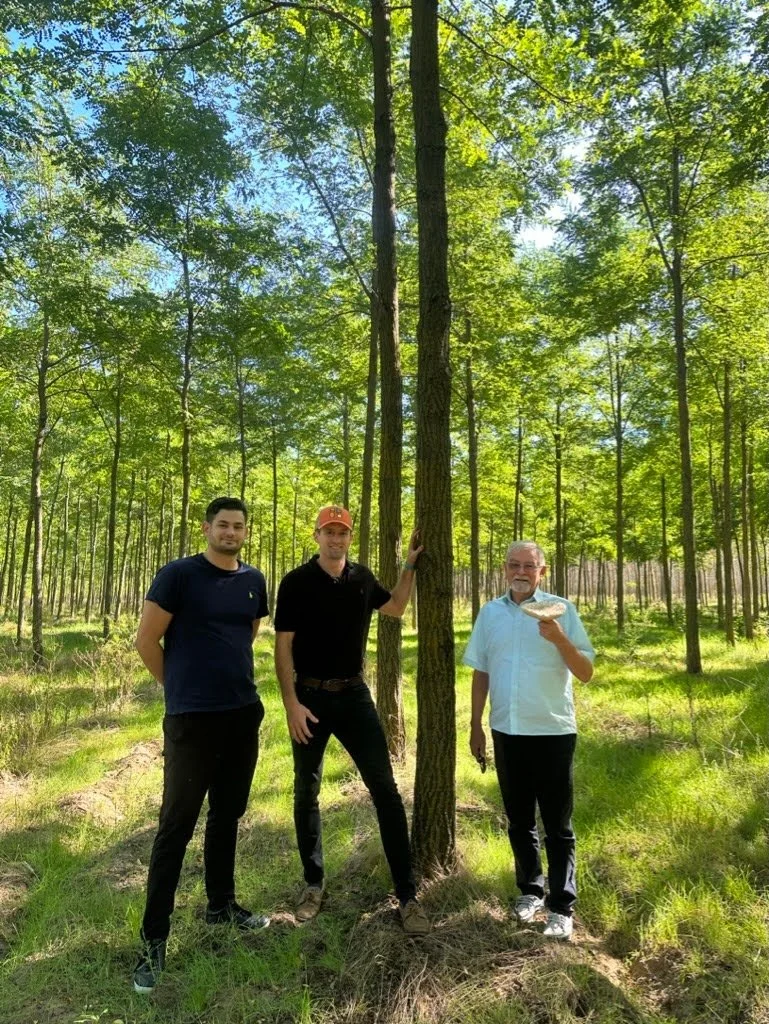
We worked with Ben Lennon of Cold Spring Farm in Otsego County, New York to help identify and deploy a best-fit solution for his sites. Black locust stood out as a relatively low-maintenance, low-cost solution that balanced returns with ecosystem services.
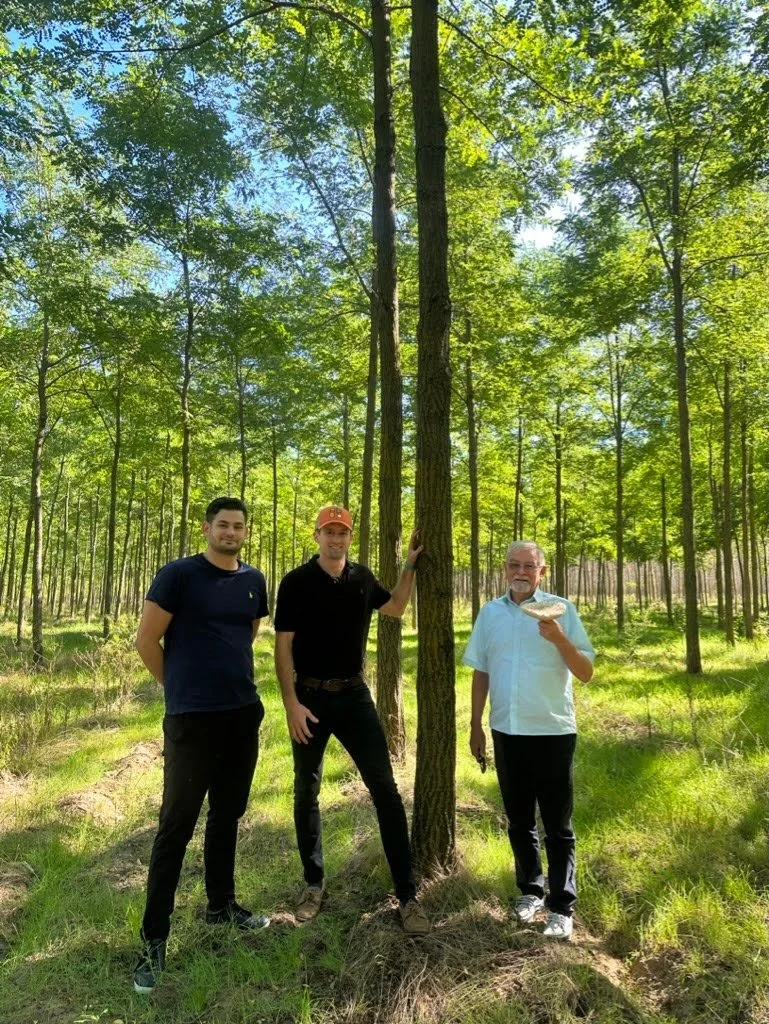
Jeremy and Harry were incredibly informative and pleasant to work with through the entire process. They helped me feel confident that I was making a solid investment decision, that would generate strong long-term returns, while also benefiting the local ecosystem.
“
Ben Lennon, Cold Spring Farm
Black Locust
Superior growth rate & wood quality with Improved Varieties
Black Locust sequesters up to 3 t/CO2e/ac./year

Scaling Watershed Solutions
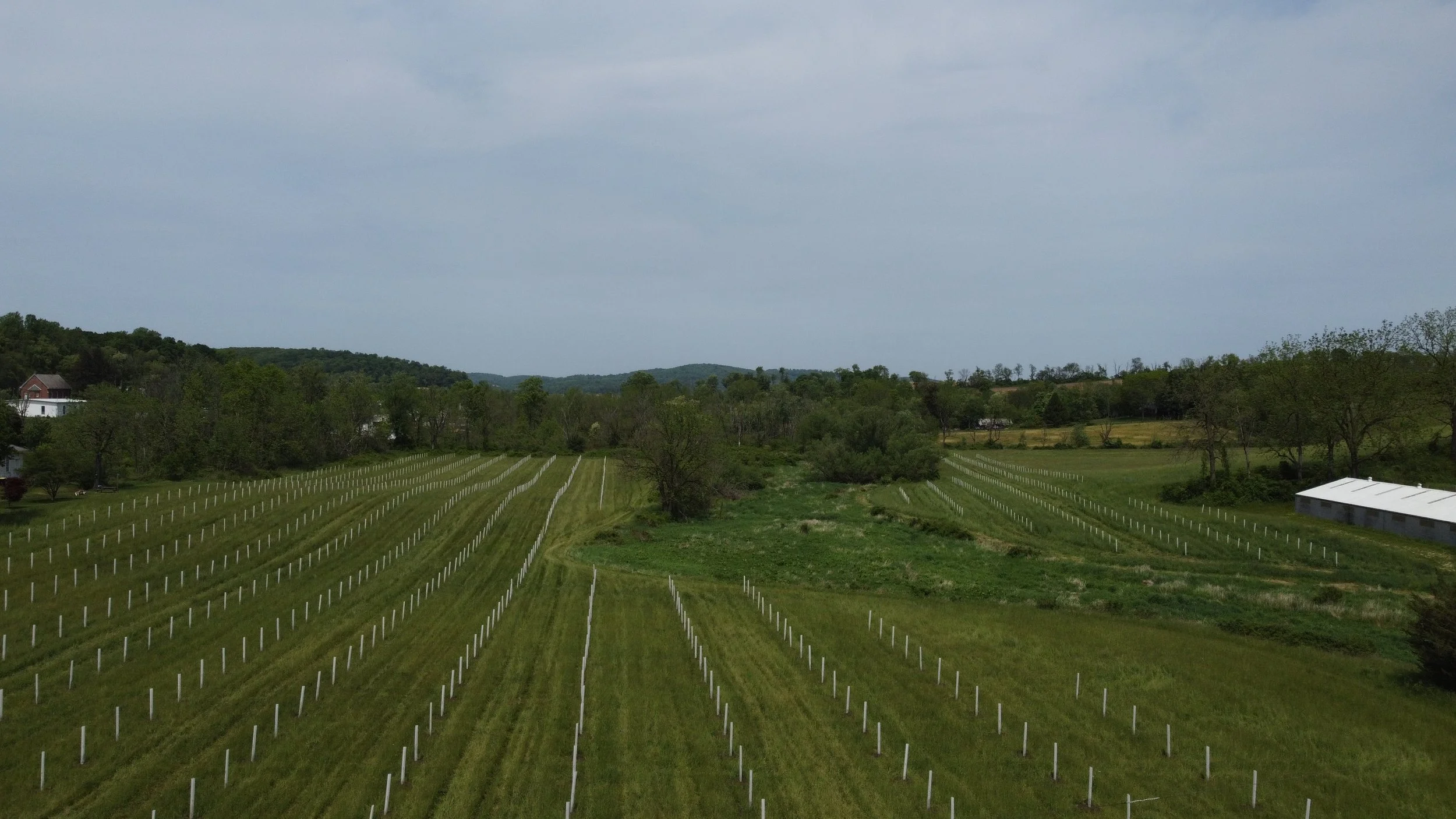
We formed partnerships to pilot working buffers, a novel farmer-driven solution for water quality. Learn how we planted 18,000+ trees across 3 farms in Eastern Pennsylvania.
A lot of farmers don’t have the time or bandwidth to invest in something like working buffers, which can take months and months— all kinds of communications, emails, and documents. It was really great to have this kind of white-glove concierge relationship.”
Ben Davies, Wild Fox Farms
“


Diversifed Agroforestry for Mid-Sized Farms
Learn about the diversified agroforestry system in New York at Greatwonder Farms.
2019

2022

Researchers from Propagate and The Nature Conservancy estimate there are between 14 million and 62 million acres of potential opportunity to expand silvopasture practices in the eastern United States. This level of practice expansion, according to researchers, could capture between 4.9 million and 25.6 million metric tons of carbon dioxide emissions per year.
Related Content


Research Quantifies Economic and Ecological Impacts of Silvopasture
Chestnuts & Agroforestry: Massive Opportunity for American Farmers
Producing chestnuts in the United States represents a significant opportunity for farmers to meet a growing and underserved demand. In 2022, the U.S. imported roughly 6.7 million pounds valued at $9.8 million. That demand could easily be satisfied with domestic production, bringing substantial profits to farmers.
The Business Case for Black Locust Agroforestry
Black locust has deep roots in American history. From the pole wood and firewood of indigenous peoples, to farmers’ fenceposts, to the naval warships of 1812, it’s been a mainstay. Black locust (Robinia pseudoacacia) is a fast-growing rot-resistant hardwood, and today it presents an exciting opportunity for farmland owners and operators.