The Nuance of Invasive Species
The threat of invasive species
Invasive species are non-native plants, animals, fungi, and pathogens that spread aggressively and disrupt native ecosystems.
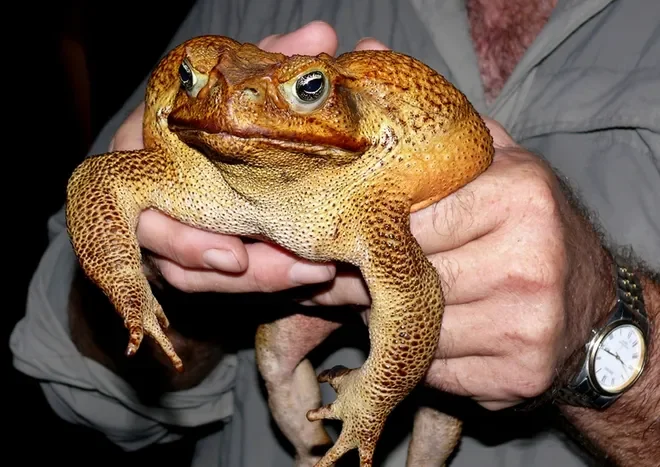
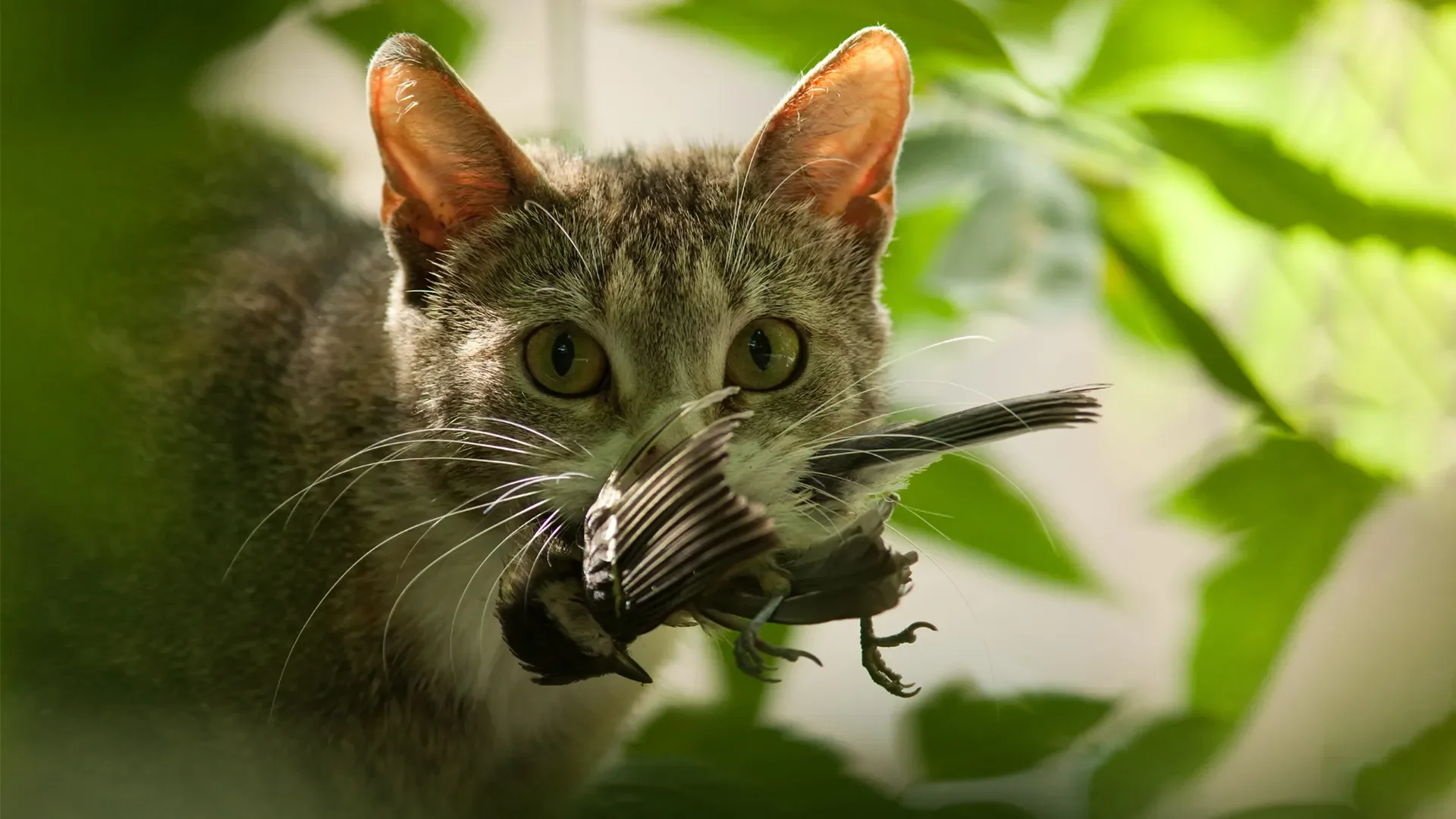
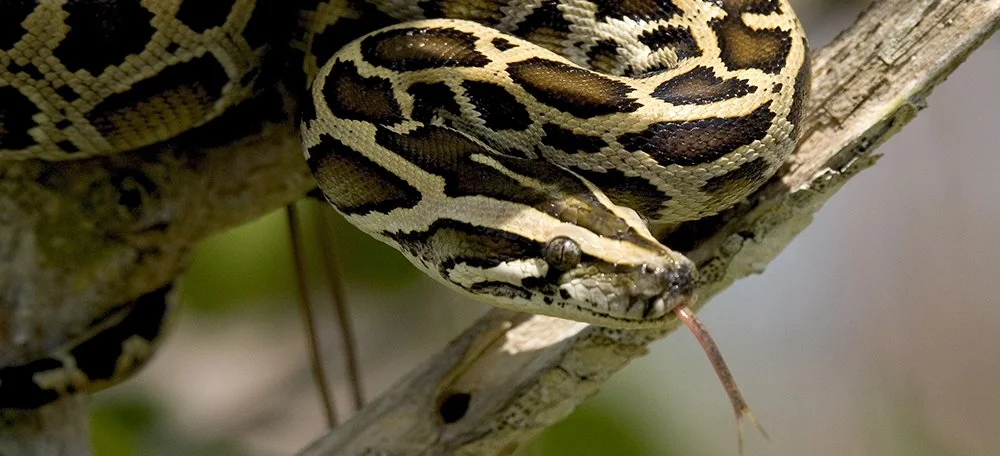
Documentary films on invasive species abound. Complete with dark humor and foreboding music, one memorable film featured cane toads in Australia. In 1935, 100 cane toads were introduced for pest control. They swiftly became a fleet of 200 million toads. These frogs are 6-10 inches long, and have toxic glands behind their head which poison the animals that attempt to eat them. When these predators die, the ecosystem loses balance: animals that would have otherwise been their prey explode in population. Invasive animals can be extremely problematic, given how fast they move. Domestic cats, introduced to Australia with British colonization, are responsible for the extinction of 29 species of mammals indigenous to Australia. After broad habitat destruction, domestic cats are the #1 cause of bird death in North America. Stateside, feral swine are responsible for $1.6b in damages to the agricultural industry. Burmese pythons are decimating native mammal populations in the Florida Everglades. Alien invasive animals, fungi, and insects make for a loaded term: invasive. Trees and shrubs can also be invasive, even though they move more slowly than animals. But there’s nuance here. Today we’ll unpack invasive species.
The American Chestnut and Climate Analogues
The climates of China and The Eastern United States are strikingly similar, but geographically separate. This makes for explosive ecological interactions. 30-45 million years ago, the American Chestnut and Chinese Chestnut had a common ancestor, but the two species separated as ice-age glaciers advanced. The chestnut populations grew to be different species, adapting to unique landscapes and biology.
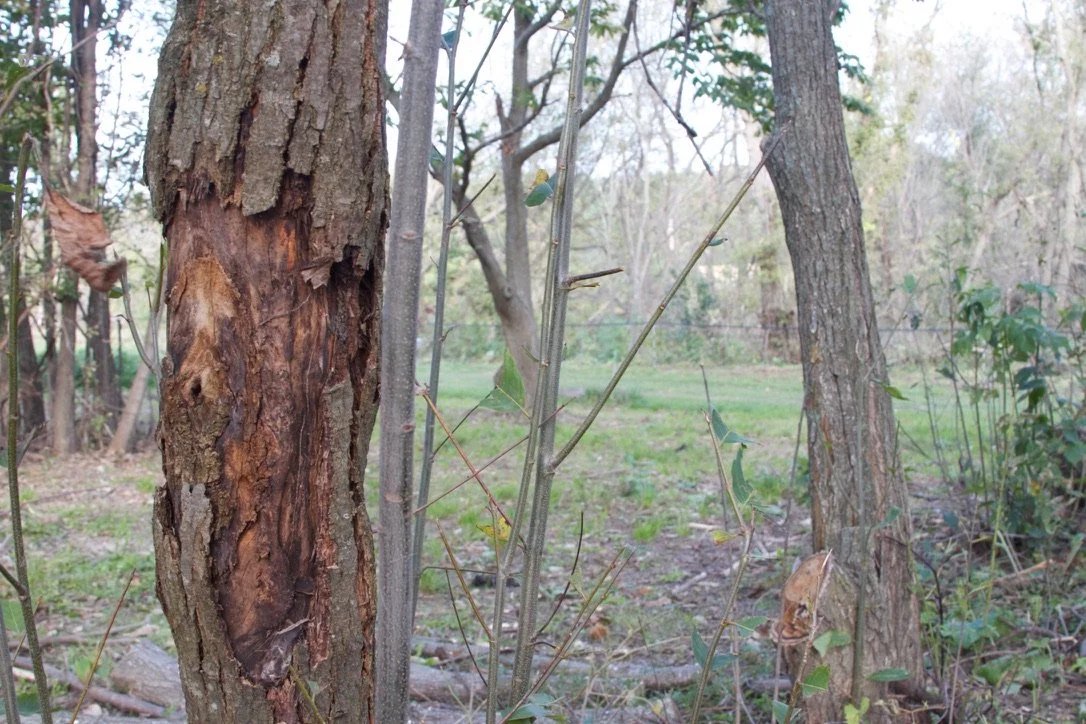
Cryphonectria parasitica, the chestnut blight, girdles American chestnut trees, killing them to the ground. The trees re-sprout from the stump, but no longer serve their functional role.
The chestnut blight evolved in Asia. In east Asia, in the country that is now known as China, a pathogenic fungus grew to associate with Castanea mollissima, the Chinese chestnut. Given ample time, the tree developed resistance to fungus, and they now coexist. The chestnuts of North America, separated for millions of years by The Pacific Ocean, Intermountain West, Rocky Mountains, and Great Plains, developed no such resistance. When humans brought chestnut trees (and perhaps boxes made of green lumber) from East Asia to Eastern North America in the late 1800s, the fungus came along as a stowaway.
The chestnut blight ravaged the American Chestnut, killing 4 billion trees and leaving it functionally extinct. It is fair to say that this fungus, hosted by chestnut and oak trees, is invasive to North America — though the Chinese chestnut tree itself does not spread aggressively.
Eastern North America and East Asia have dramatically similar climates. New York is much like Korea. From Kansas to Virginia, and south to Georgia, we share many climates with China. Florida is much like Taiwan. Washington D.C. and Maine maps onto Japan, albeit with less snow. With this climatic similarity come similar plants, animals, and fungi.
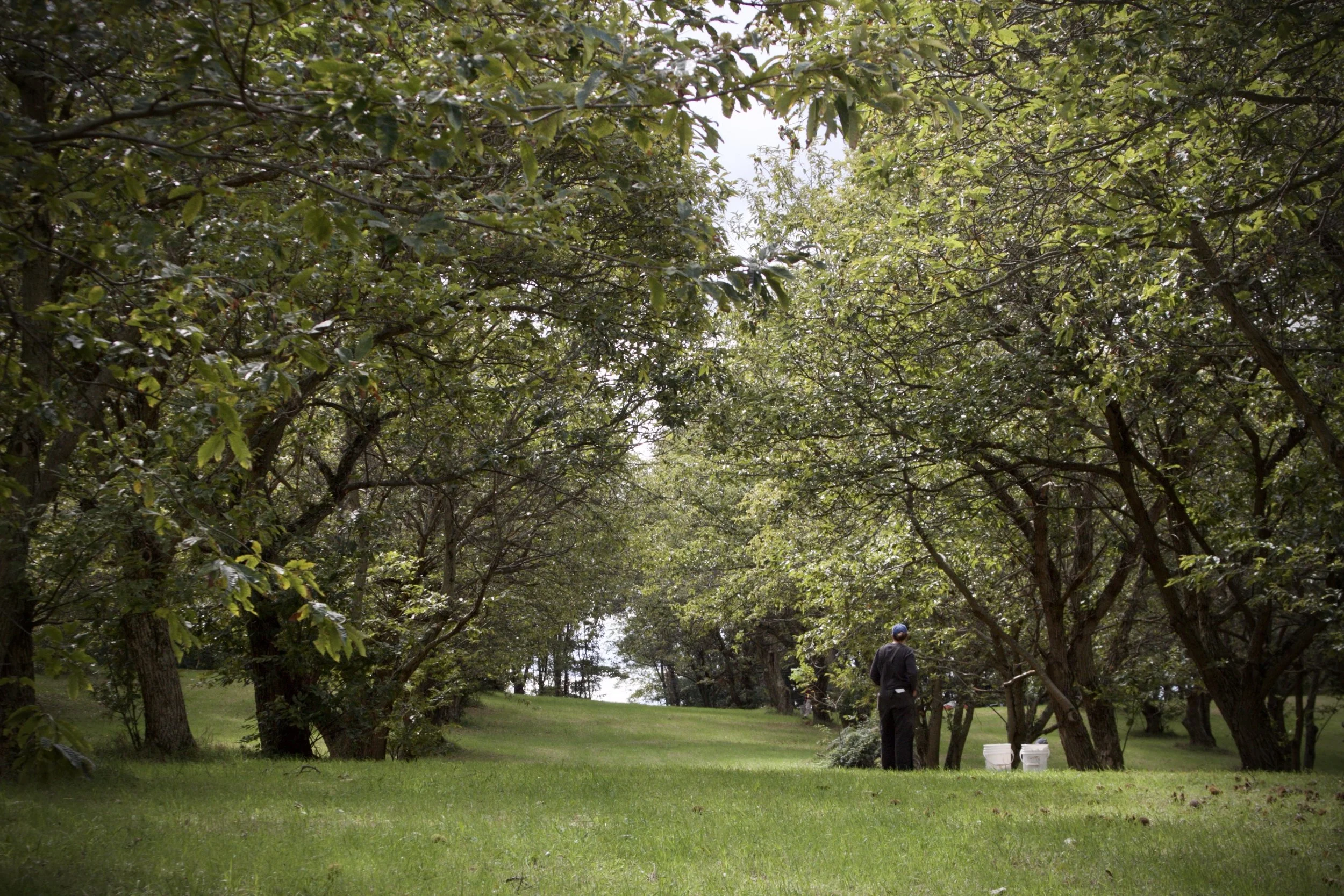
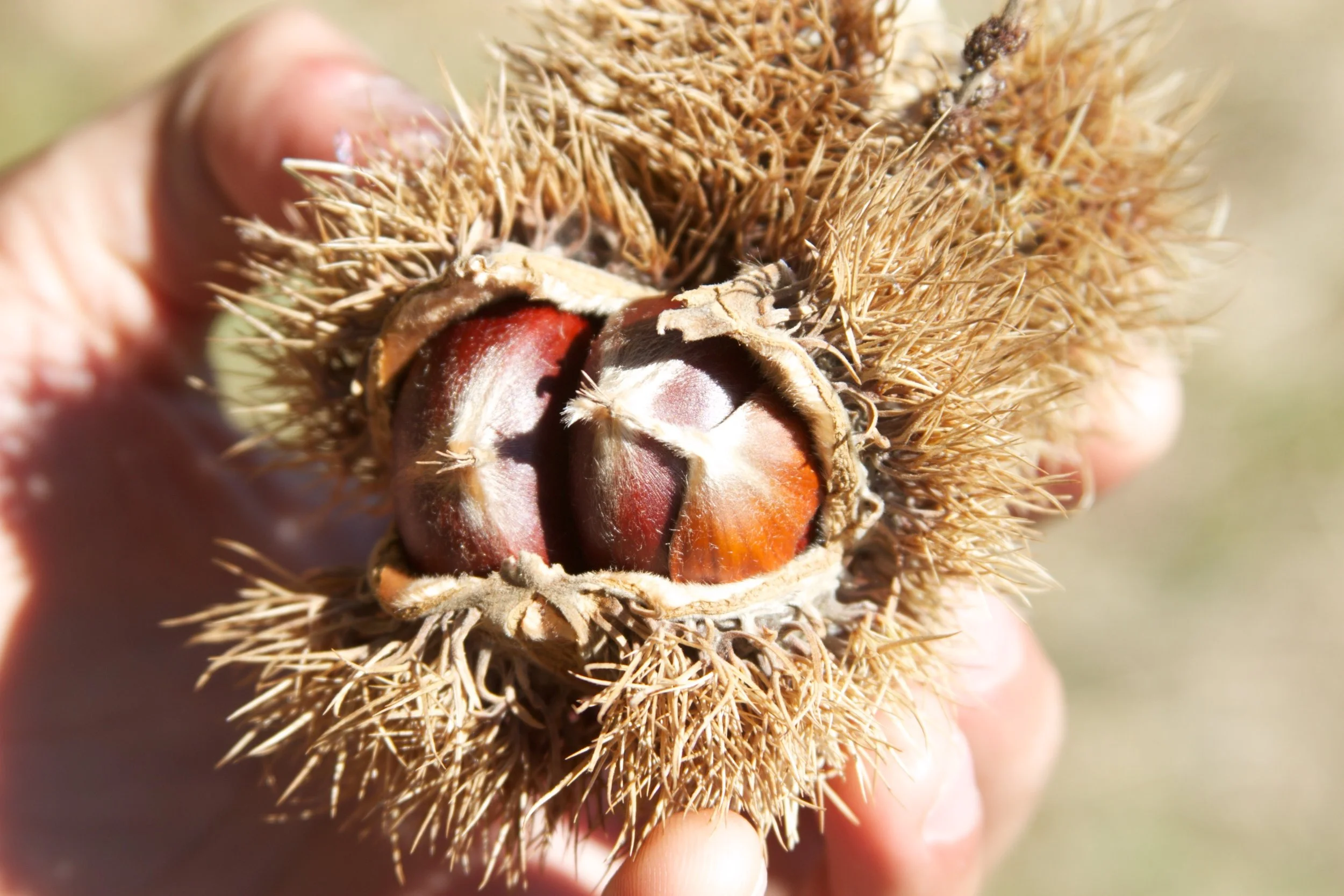
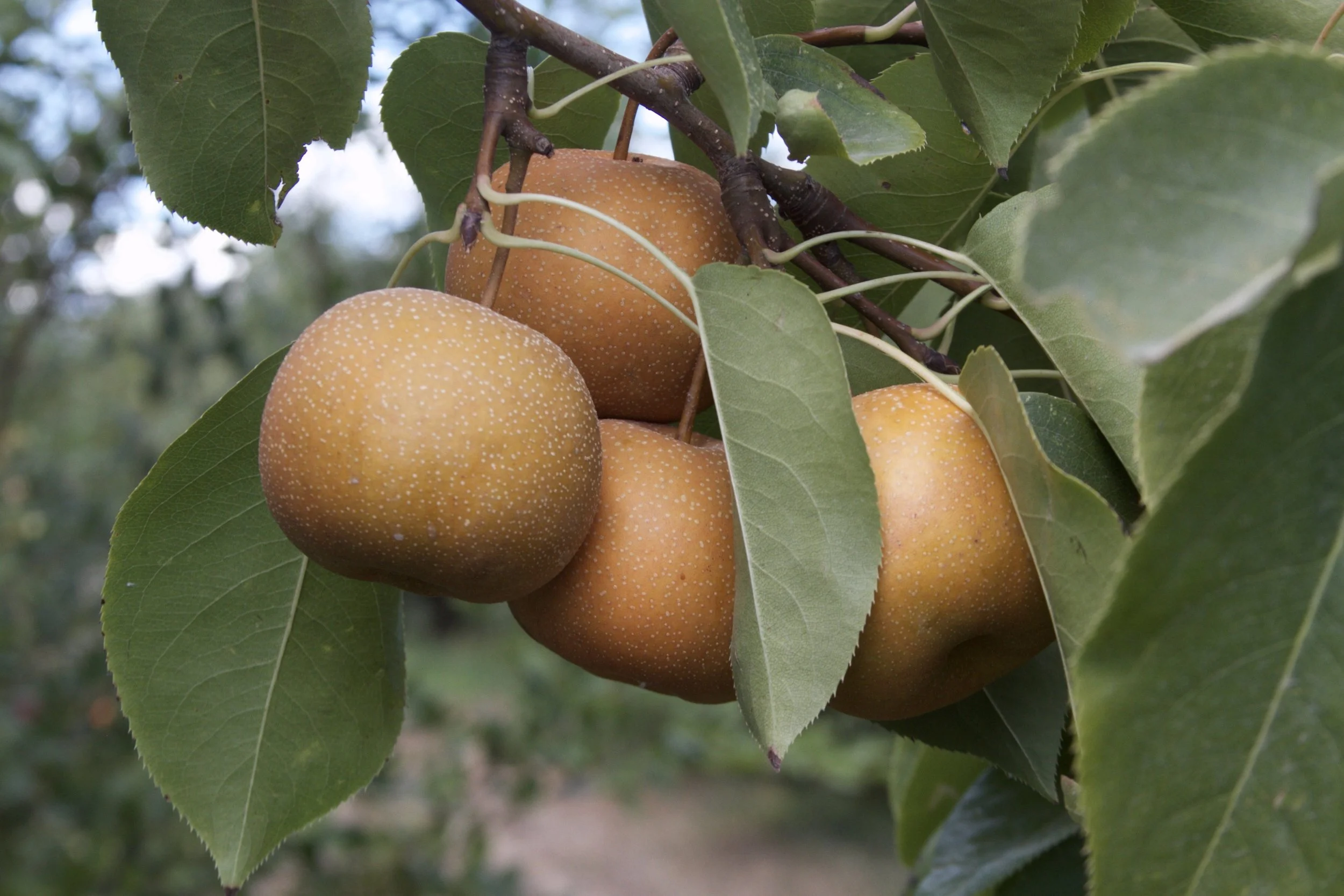
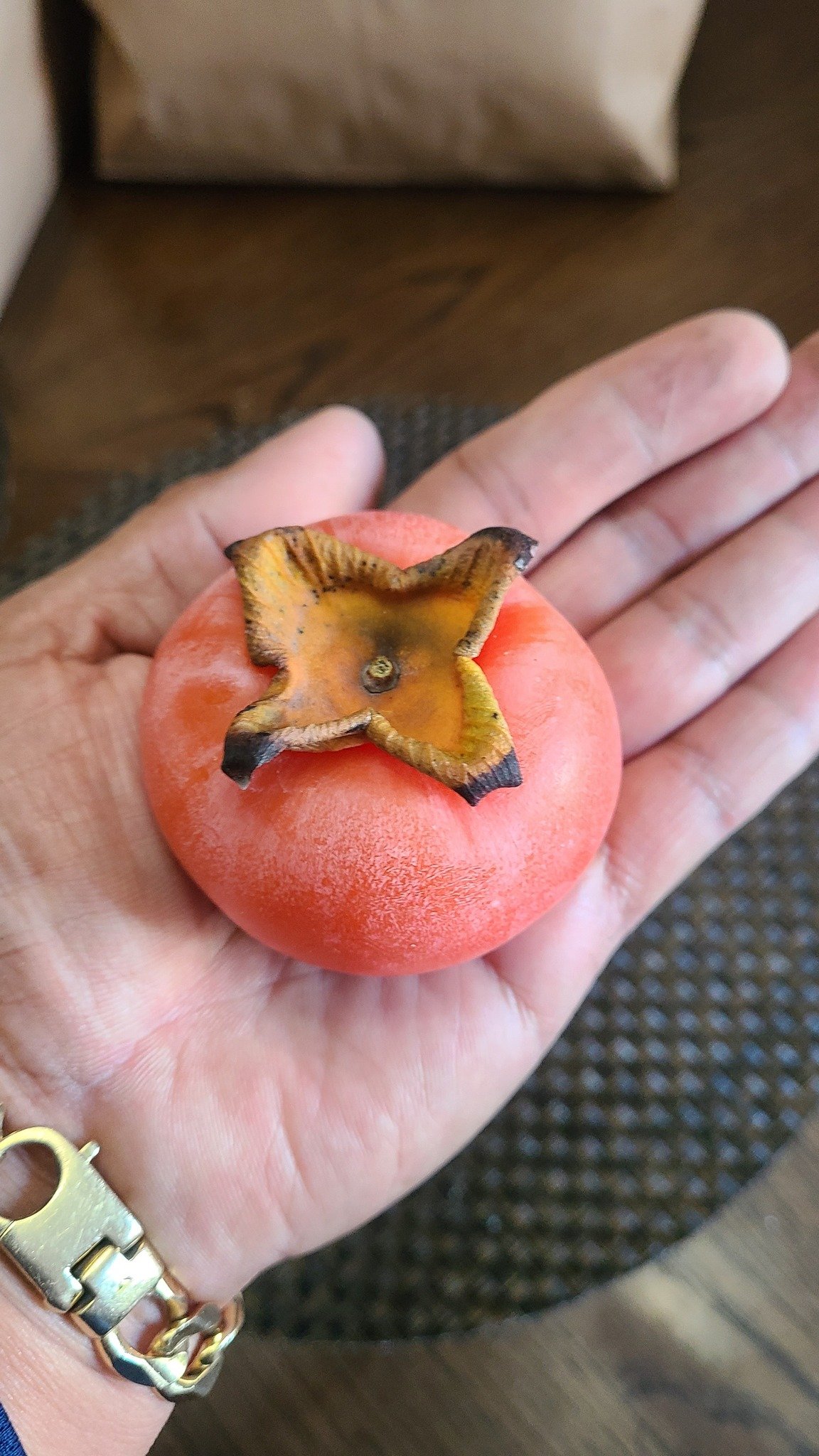
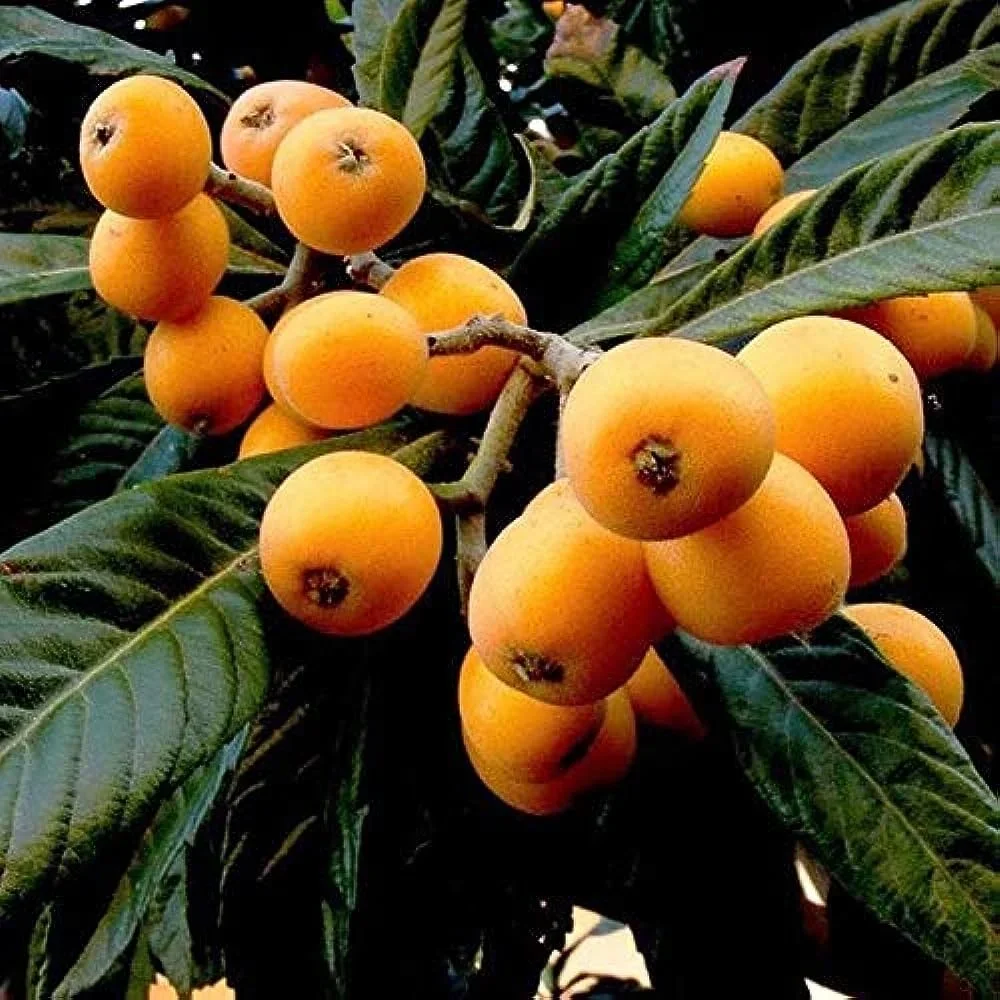
The fruits of East Asia thrive in the United States. The ornamental cherry trees that blossom along the streets of Washington DC were a gift from the people of Japan. The fruits that have immigrated from East Asia to the Eastern USA are much less susceptible to our various pests: Asian Pears are generally lower maintenance that European Pears, and the same is true of asian persimmons (Diospyros kaki) and loquats (Eriobotrya japonica). Apples and peaches by contrast are native to the dry air of Kazakhstan and Southwestern China, and exhibit higher pest pressure from New York to Georgia.
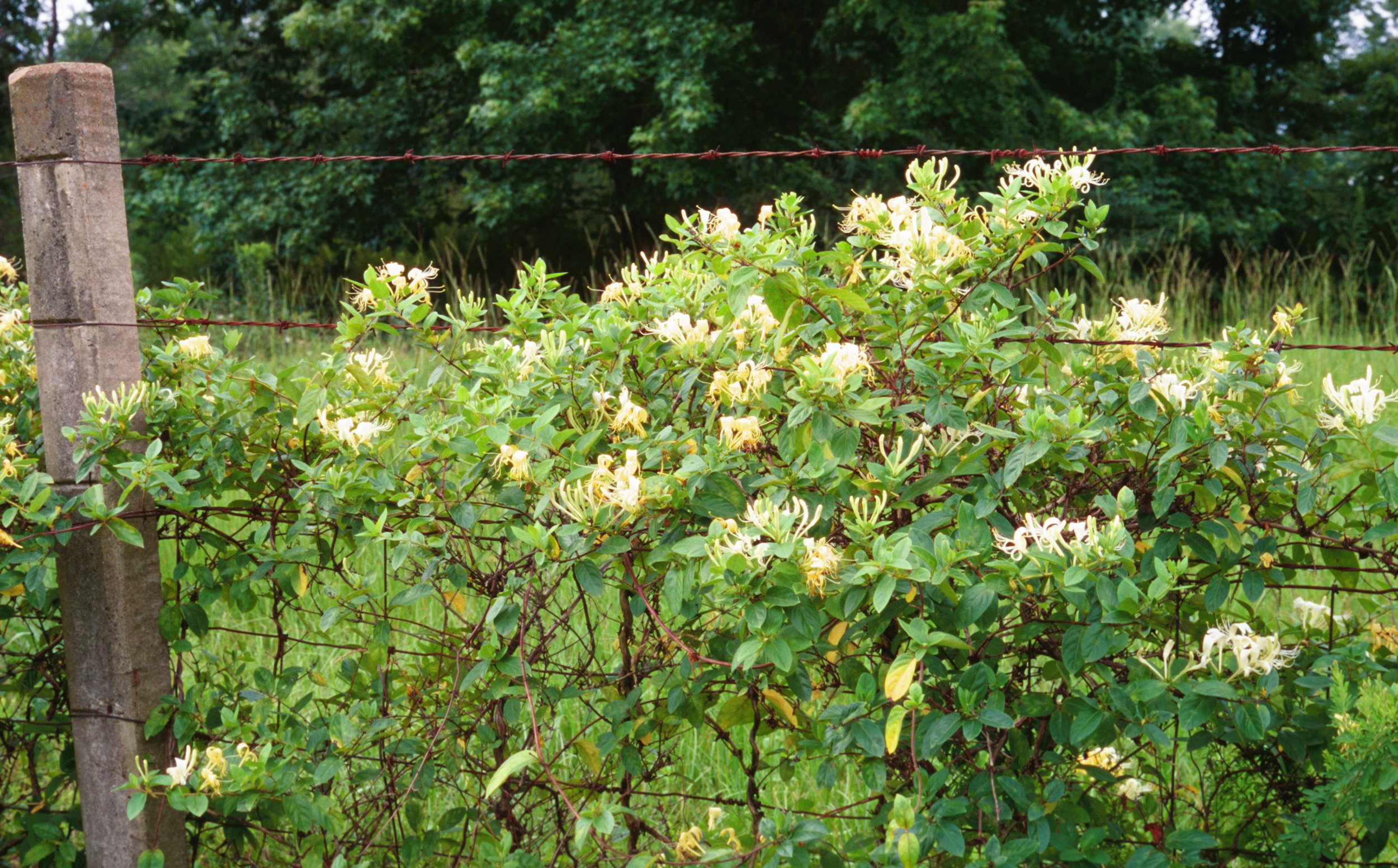
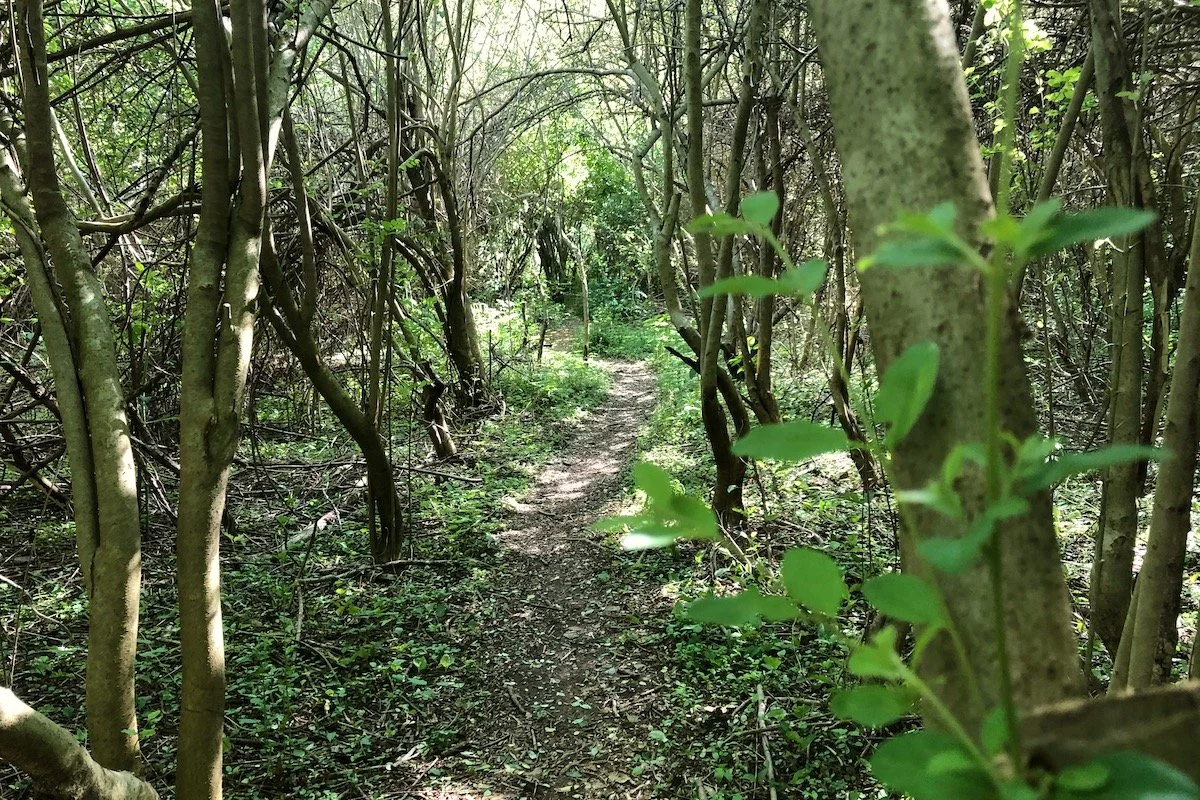
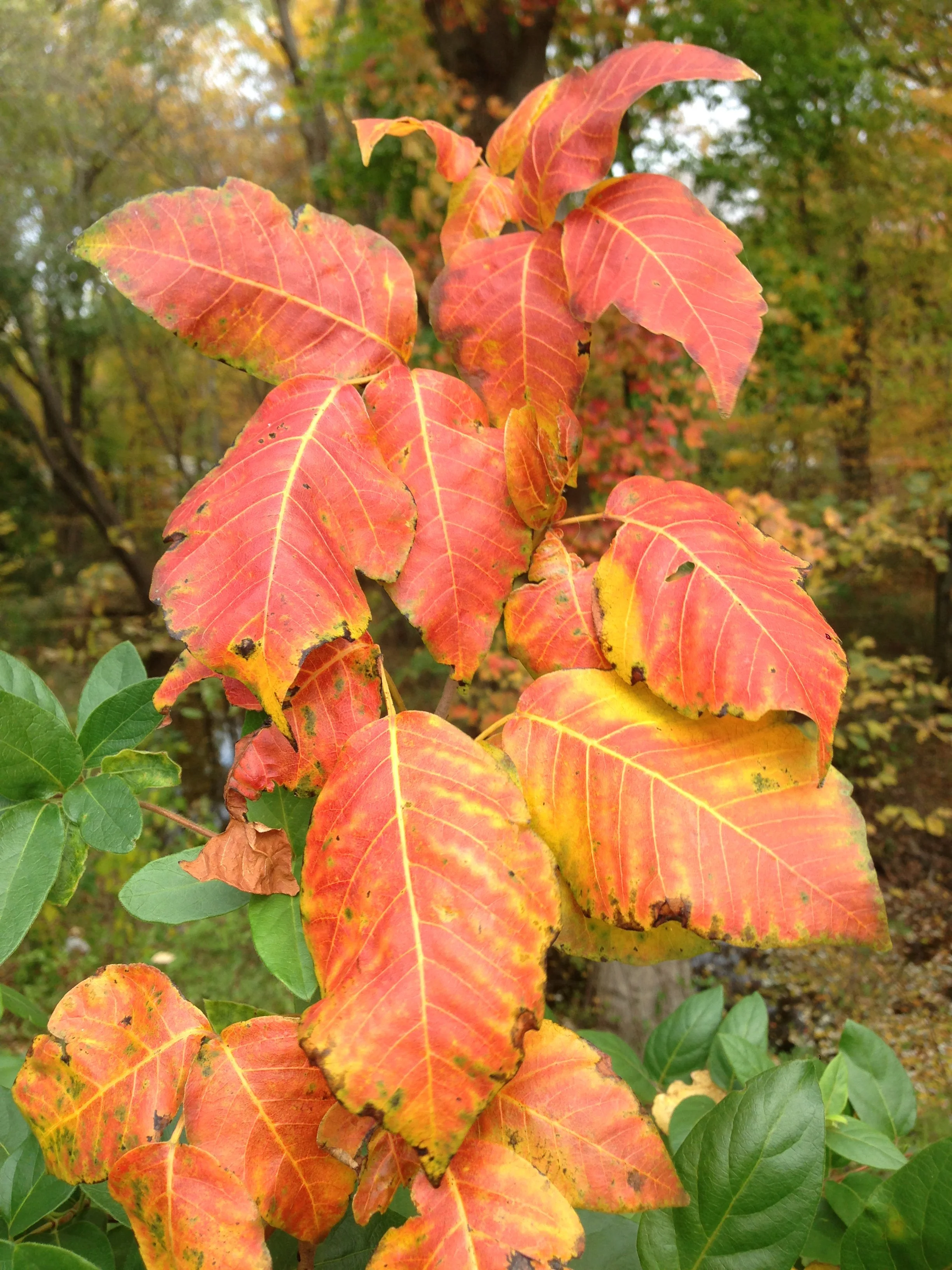
Many invasive trees and shrubs come from China. For the same reasons that the fruit trees of East Asia are easy to cultivate, certain trees and shrubs of that region can take hold in Eastern North America and spread unchecked. Shrubs such as Japanese honeysuckle (Lonicera japonica), Japanese barberry (Berberis thunbergii), and Chinese privet (Ligustrum sinense) can grow in dense thickets and impede the natural development of a forest. It is important to note that non-native invasive shrubs are not a one-directional offense. Common rhododendron, though a beloved native landscape plant in the United States, is an issue in England. American wild grape vines tear down trees. Easily the most disturbing: poison ivy (Toxicodendron radicans) was introduced to European estates for its colorful fall foliage. Even later-successional trees such as black cherry (Prunus serotina) can displace native vegetation from The Netherlands to Poland.
Native to when?
Species will always move around. Migratory birds can spread seeds, insects, fish eggs, and snails, but trees rarely cross oceans, deserts, and large mountain ranges without assistance from humans. Starting in 1492, the spread of plants and animals drastically accelerated. From Columbus through to European Contact with Australia in 1606, and ongoing with modern globalization, The Columbian Exchange has spread beneficial, neutral, and detrimental species across the earth.
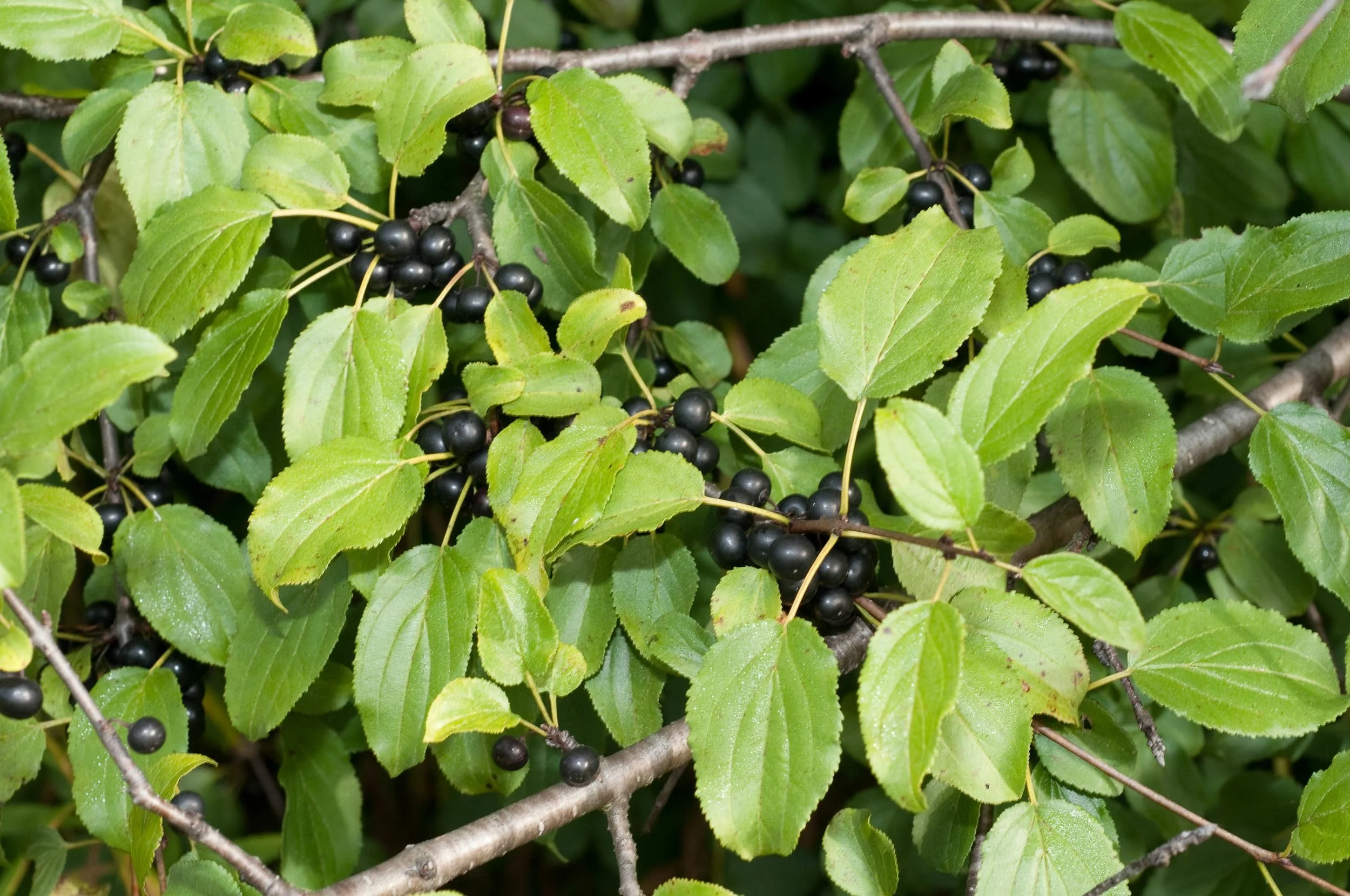
Non-native immigrant species can be good, neutral, or generally bad: from ecologically beneficial to ecologically detrimental. Chinese chestnuts are generally beneficial in North America, producing large mast crops for wildlife and supporting native insects relatively well. Similarly, many exotic species of willow provide water filtration for aquatic life (corn/soy baseline), and food for native bees. Two classic neutral species are Ginkgo biloba and domestic apples. Ginkgos look nice, but don’t do much for wildlife. Apples yield some food for wildlife, and they’re ecologically okay. Neither tree spreads aggressively. By contrast, detrimental species usually spread aggressively, outcompete native species, and yield sub-optimal wildlife food. The berries of European buckthorn (Rhamnus cathartica) are high in sugar and water but lower in fats, making them a mediocre food source for migratory birds. Buckthorn spreads rapidly and is widely regarded as a detractor.
Native species can also become detractors to a certain extent. In the absence of fire in the Great Plains, along with tens of millions of bison beating back woody vegetation, eastern red cedar (Juniperus virginiana) has become an absolute plague for ranchers. The tree is drought tolerant, and shades out grass and prairie, which is bad for both beef yields and grassland birds.
Black locust (Robinia pseudoacacia) is a divisive and unique specimen in this conversation. Black locust is a fast-growing pioneer species originating in the central Appalachian and Ozark mountains. It grows half-inch thorns on its juvenile wood, which fall off after the tree reaches 5 inches in diameter. It sends up shoots from the roots, especially after being cut down. It is not shade tolerant, and often grows on abandoned farmland, road sides, and other disturbed sites. The fence posts and lumber it yields are rot-resistant, and can last 2-3 times as long as pressure treated pine, in contact with the soil. Black locust flowers bloom bright white in the spring, and feed both native and introduced pollinators. Black locust honey is bright and neutral. Land managers across the world have a love-hate relationship with this tree. Growing it for fenceposts and lumber can yield higher economic returns than corn and soy, but if unmanaged it can become a thicket of thorns.
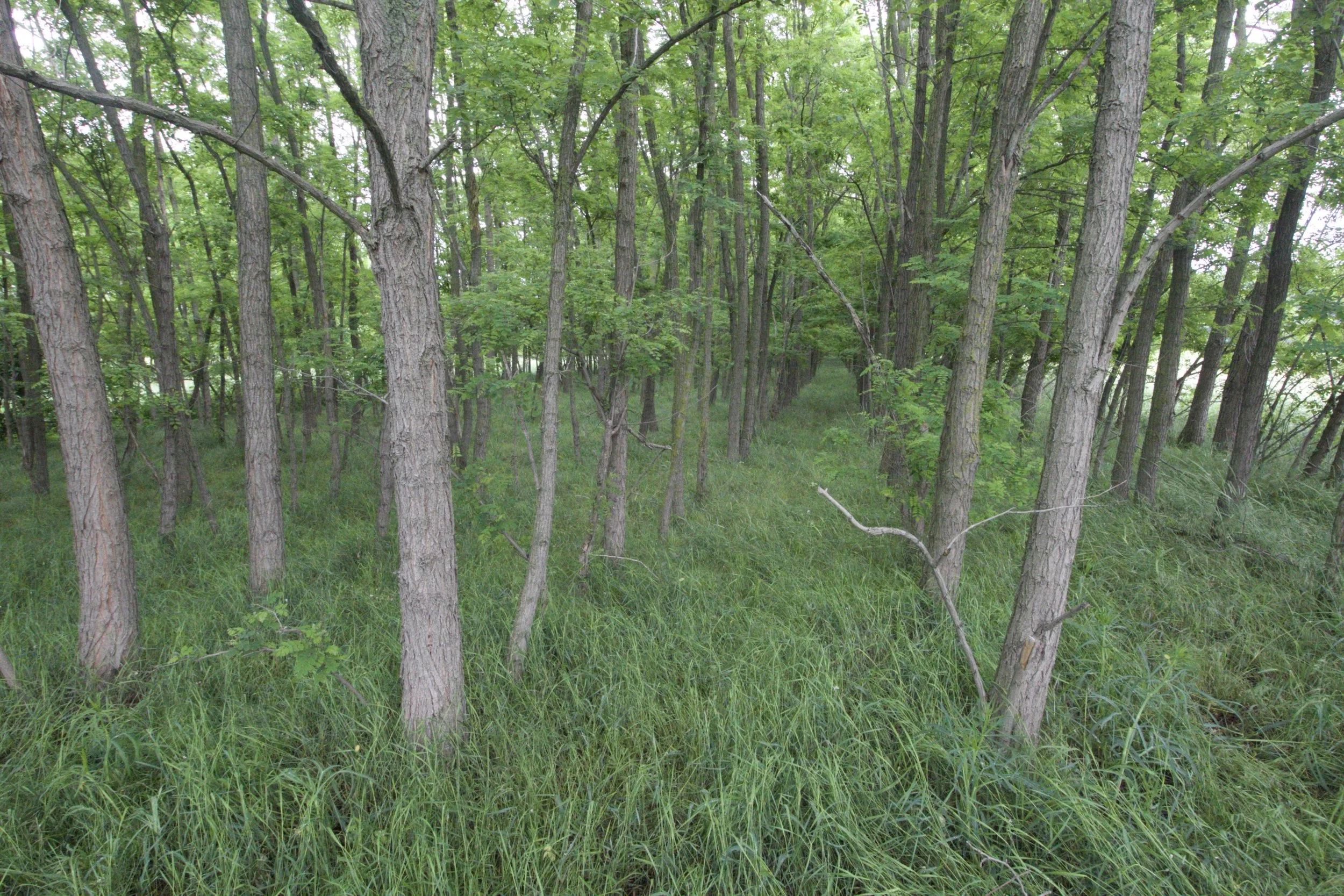
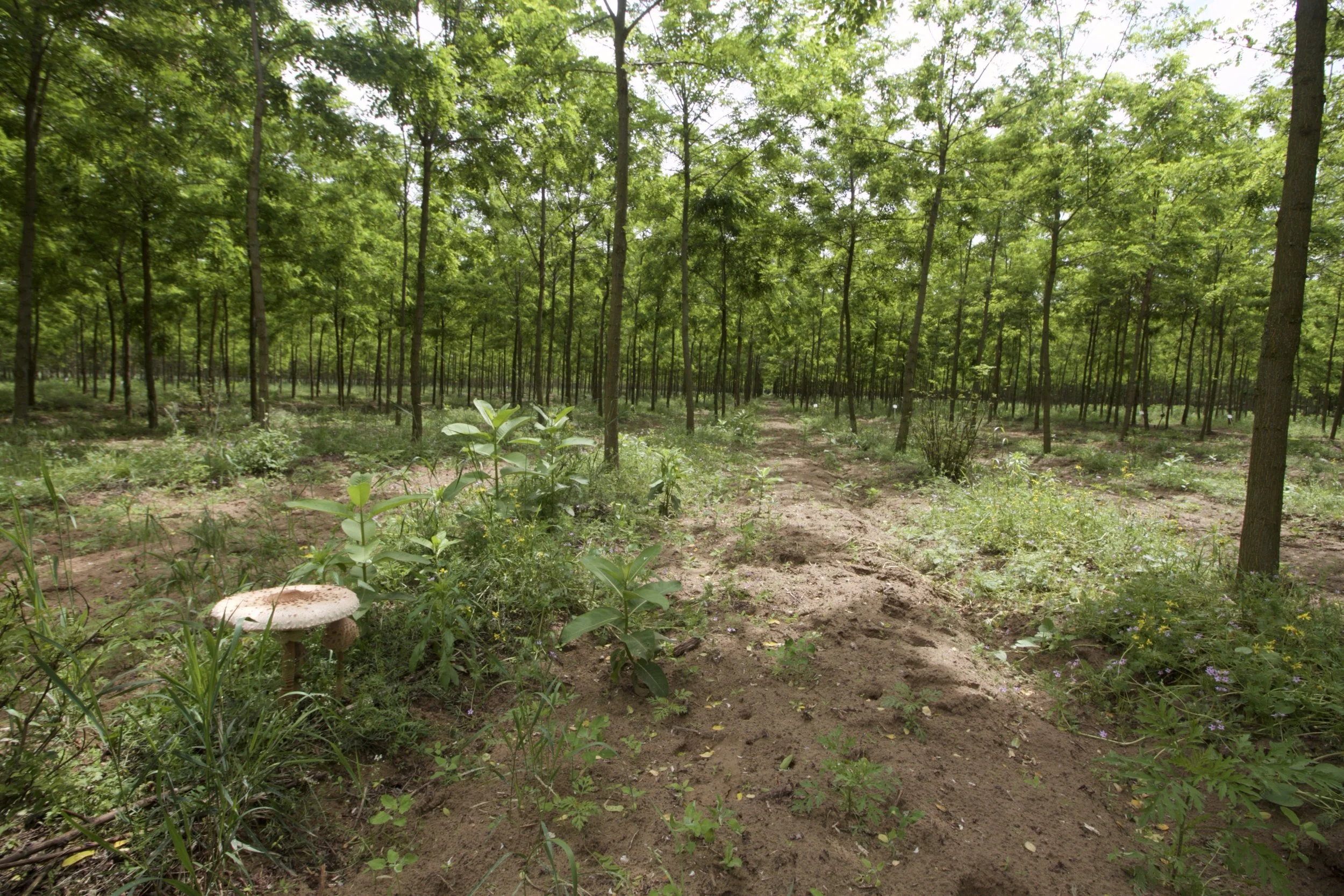
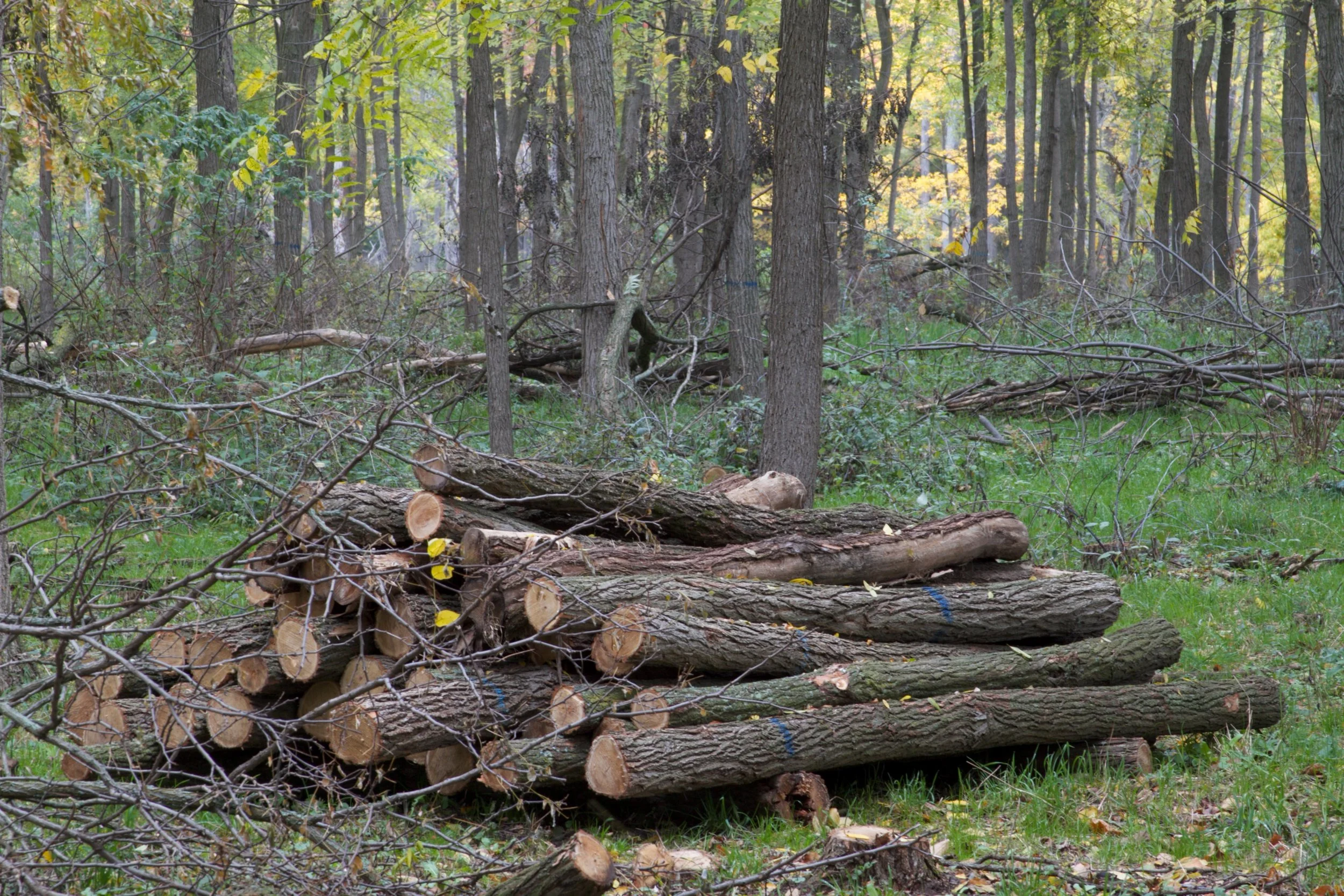
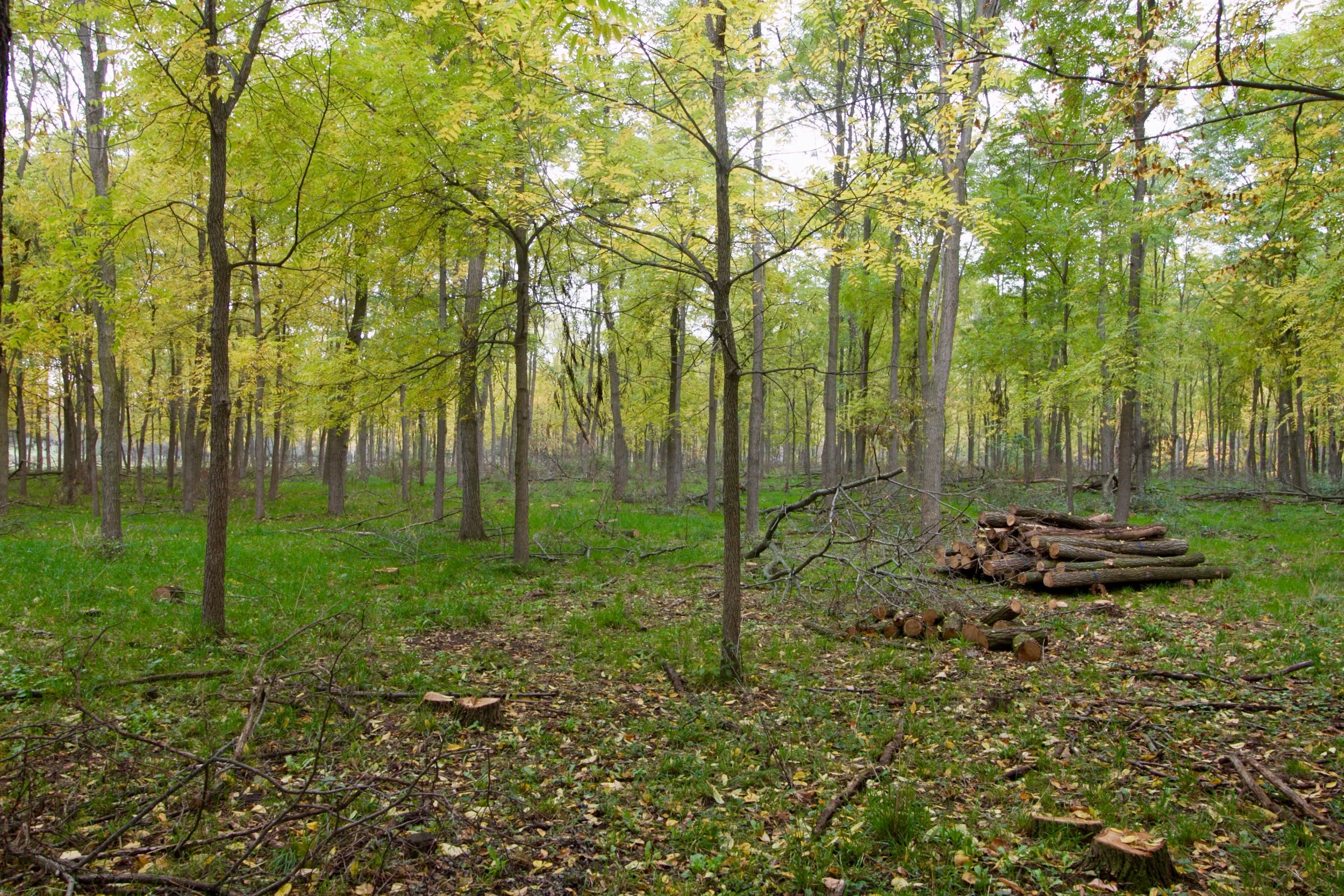
Black locust requires active management. Contrasted with pine and spruce trees, black locust trees grow back after they are cut down. A single stem is then selected from each re-sprouting stump, and the stand is managed for another harvest. Black locust can also be grown with secondary-successional species: after the locust is harvested for posts and sawlogs, it will be shaded out by accompanying oak and walnuts. One million acres of black locust in Hungary create tens of thousands of jobs, but outside the range of its native pests, it thrives in the dry sandy plains and displaces native oak savanna and forest.
Are red cedar and black locust invasive to the eastern half of North America? There is no natural barrier such as an ocean or mountain range that would halt their progression out of the range in which Europeans found them in 1492. An argument can be made in either direction. In the absence of natural processes, both of these species can act invasively. But we must ask: What landscape are they invading? Why do they have this opportunity? Is the tree species itself invasive? Or is our removal of forests, fires, and bison herds an invasive act, while the tree is simply doing what it evolved to do?
Biomes shift and ecosystems change naturally, albeit slowly. 20,000 years ago, Syracuse, NY was under one mile of ice. Ancient lakes of the Sahara Desert. Our current challenge is the rate of ecological change. Humans are changing landscapes faster than anything aside from massive volcanic eruptions or an asteroid.
Those who live in glass houses…
We would be remiss to look in the mirror. Humans who live in glass houses should not throw stones. Within years of humans arriving in North America, 50-70 species of large animals went extinct due to overhunting. Wooly mammoths, giant sloths, and giant beavers feared the short faced bear, saber-toothed cat, and other massive predators of the Pleistocene, but they did not fear the bands of Homo sapiens armed with spears, stones, and fire. African elephants, wildebeest, and kudu evolved with humans, and with us a healthy fear of predation. Demonizing humans in this way can trend nihilist and mephistophelian, and that is not our intent. It is simply important to examine our own ecological impact before vilifying the trees and shrubs we transport.
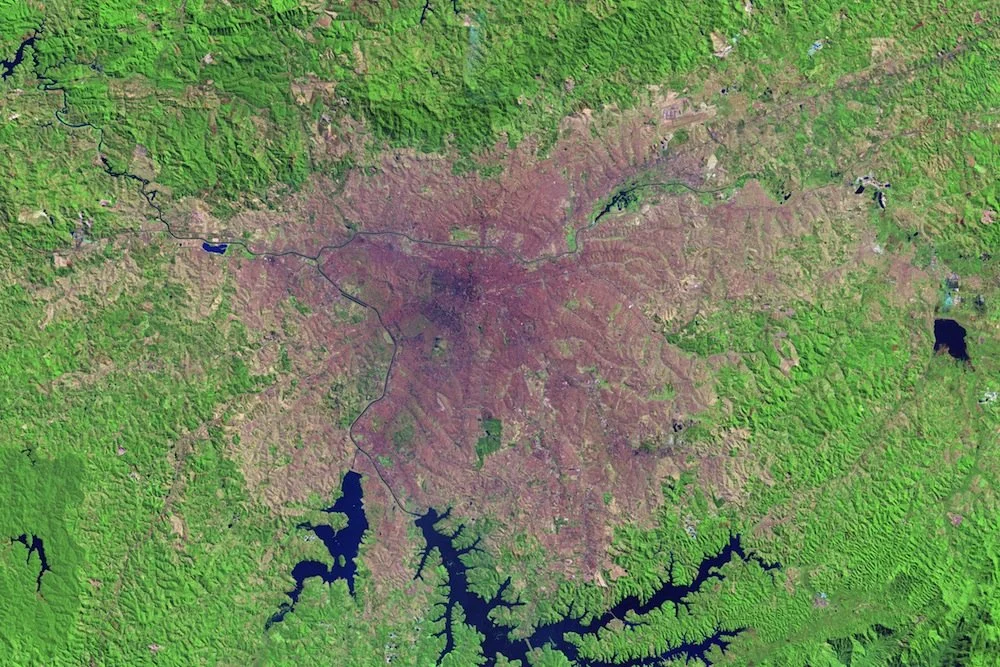
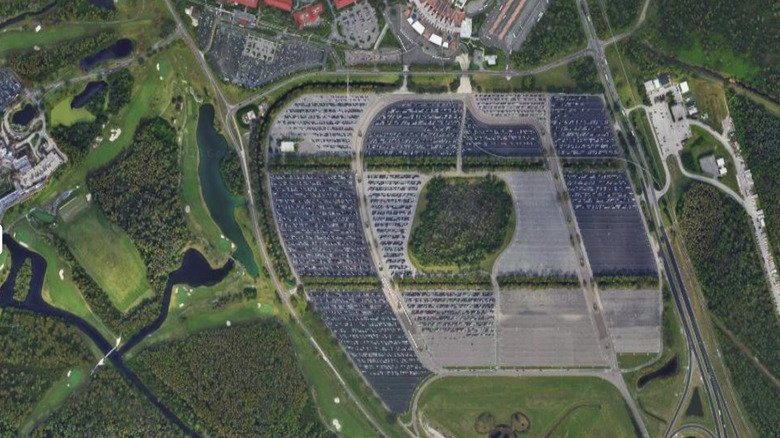
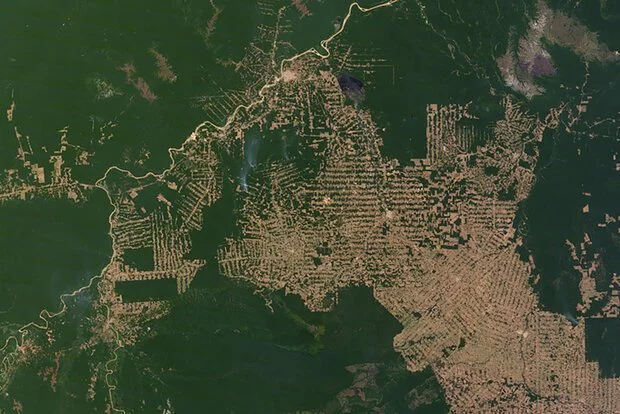
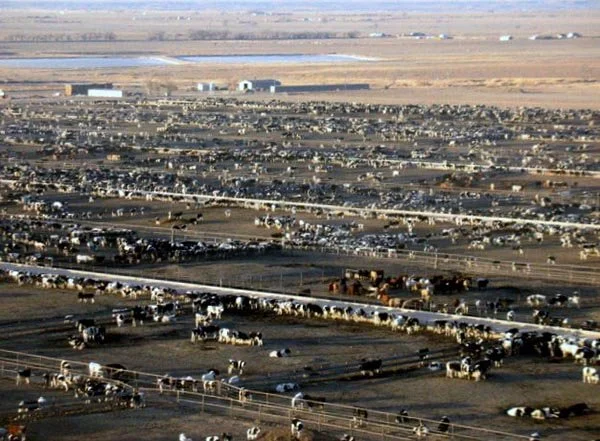
Are there other ecological maladies we could remedy first? If Chinese privet is invasive, what is a parking lot? If bush honeysuckle is choking the forests, what of the endless acres of monoculture corn and soy, planted on what used to be forest and prairie? Food security is important and famine is awful — and we must acknowledge the contradiction of allowing woody shrubs to be our chosen antagonist while turning a blind eye to our direct influence on God’s green earth.
Are these plants psychologically invasive? One main distinction here is that invasive species threaten our sense of order. They are not within our control. Conversely, parking lots negate aesthetic experience and compassion for non-human life. Different desires for landscape, spurred by personality traits, likely influence our distaste for the various threats to nature. Mint planted in a garden gets out of control, invading our garlic beds. But mint is not ecologically invasive. Six-inch honey locust thorns (Gleditsia triacanthos) pop tractor tires. Black locust thorns get lodged in our hands. This is to say that we must distinguish between plants that annoy us and plants that cause overt ecological harm.
What can we do?
Doing the right thing is often more important than thinking the right thing. Ecologists are trained to observe nature, without intervening too much. Action frequently is a blindspot. Loggers are trained to harvest timber (a significant intervention), and are not tasked with observing nature. Foresters bridge the gap. Farmers focus on growing food for people, with a select few managing farmland like an intact ecology. This is to say that if those who are ecologically-aware leave all of the active and engaged landscape management to those that are ecologically unaware, our landscapes will follow suit and degrade.
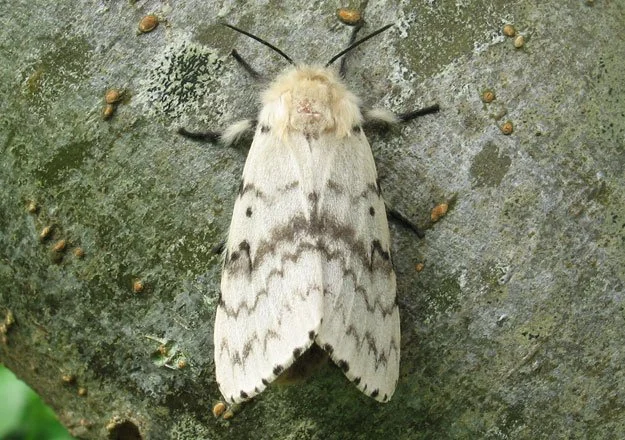
We must create an alternative to invasive species. We can go out and start controlling woody invasive plants, but this battle can feel Sisyphean. We can mow them down with a forestry muncher, and they’ll often grow right back. Herbicide can be incredibly useful, but also carcinogenic. Japanese knotweed is largely herbicide resistant. Occasionally, introduced fungi and insects can act as biocontrol agents for invasive vegetation, but these controls can themselves become invasive (see the Roma moth, Lymantria dispar). The process for introducing biocontrols must be rigorous, and involve preemptive phylogenetic analyses to test efficacy and effects on native species in a controlled environment. In any case, we must ask the question “What next?” One avenue is to create an economically and ecologically viable alternative to degraded landscapes.
Agroforestry systems
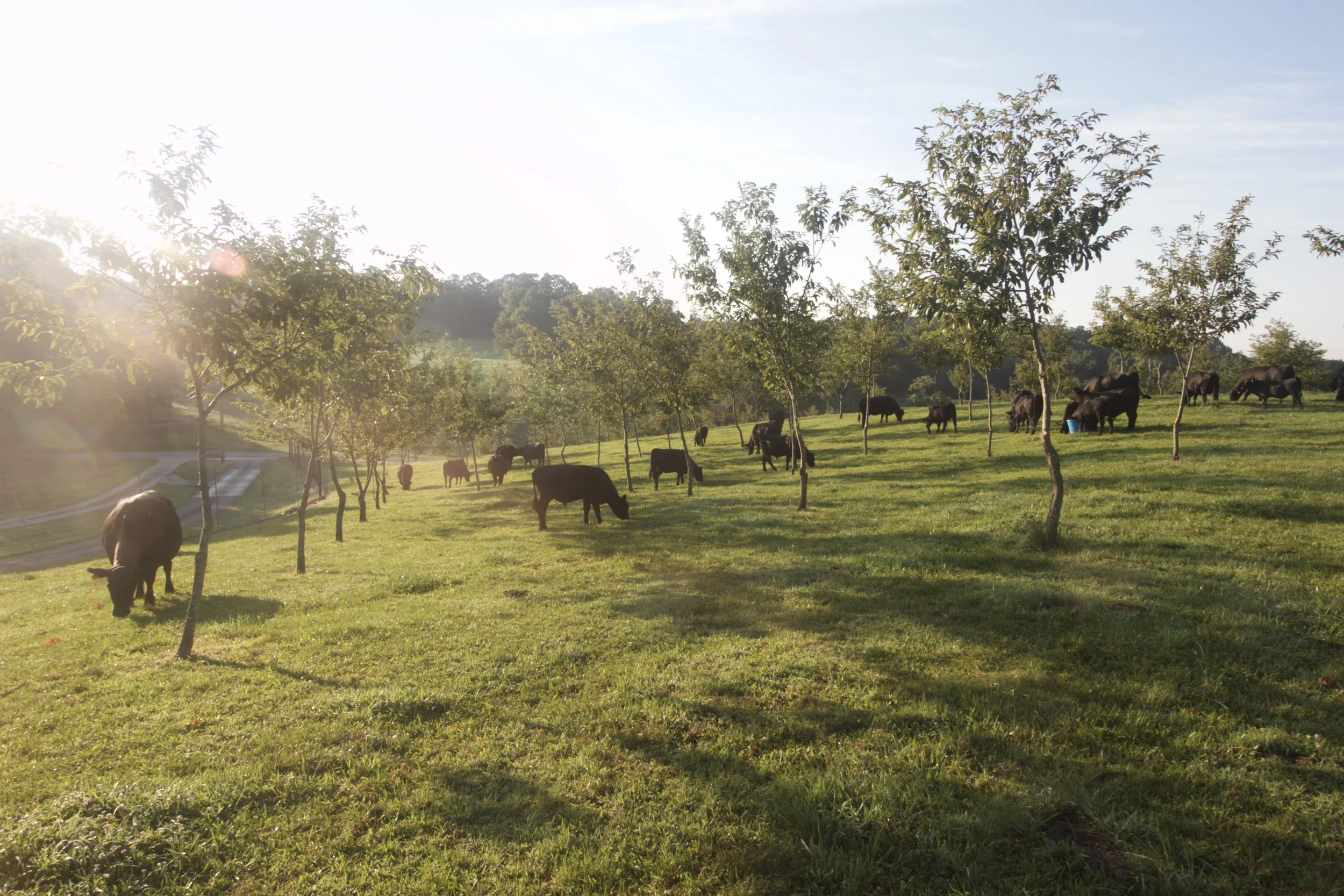
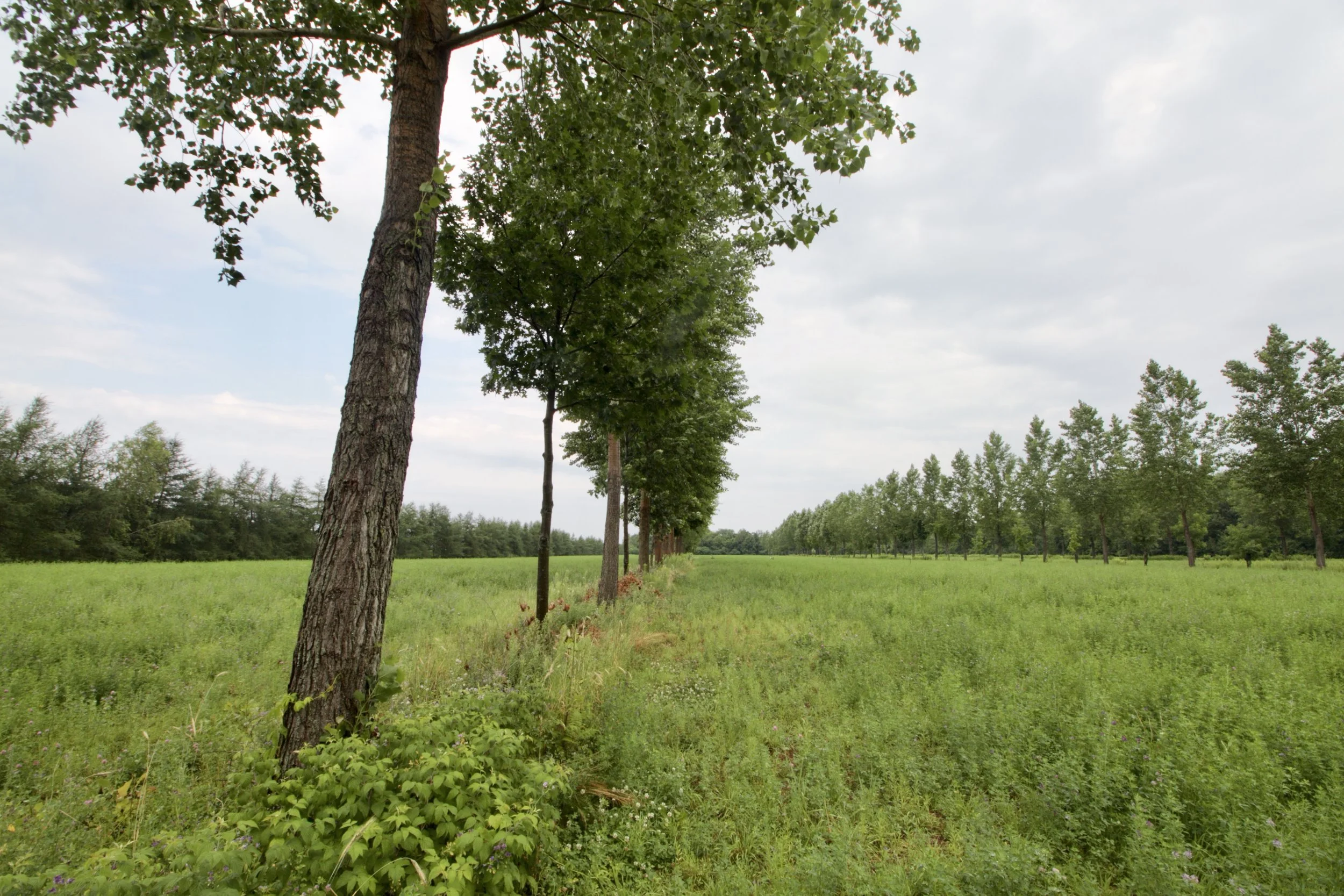
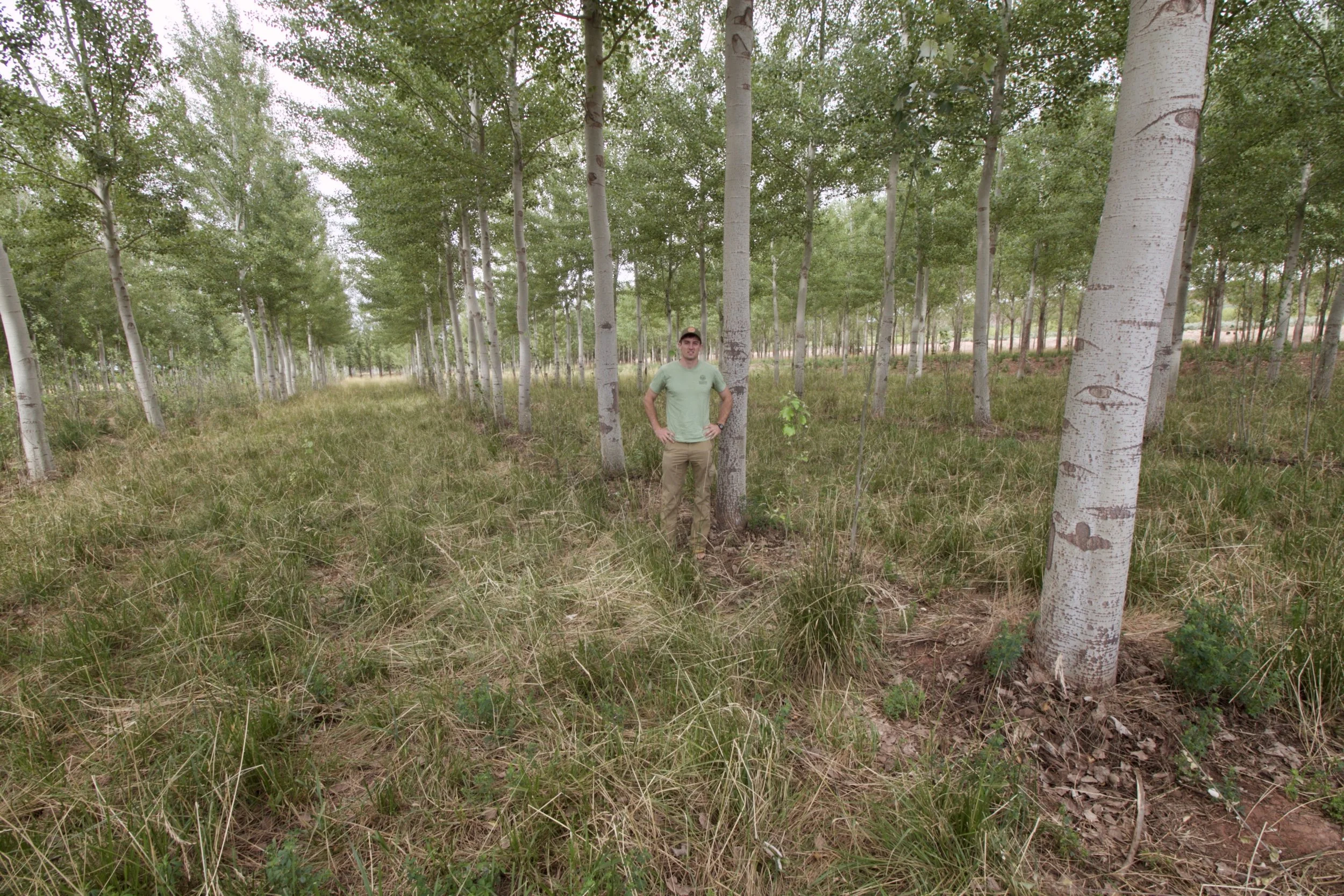
Agroforestry is the intentional integration of trees and farming. It ranges from farming with trees, to farming the trees themselves, to adding an agricultural component to existing forest. Practices range from alley cropping hybrid poplar with wheat in France, to multi-strata native cacao-avocado systems in Latin America, to black-locust black-walnut silvopasture in New York State. Agroforestry systems usually have a component of succession. They are tasked with producing food for society in a way that exhibits stewardship. They are ideally neutral or beneficial uses of land. Agroforestry systems can be an alternative to both conventional monocultures and neglected land use.
Think in wholes, not just in parts. “Not seeing the forest for the trees” is a common idiom that refers to tunnel-vision focus on the details of an issue, without seeing the whole picture. The ending of the phrase is often left off: “He cannot see the forest, for the trees are in the way.” Invasive shrubs can indeed prevent us from seeing the forest in a very literal sense. Let us first understand them, remove them as is needed and possible, and create an alternative. At this point in human history, we need to point the ship towards what we do want.