
Curly Poplar: High Quality Wood from Low Quality Soil
What is Curly Poplar?
“Curly poplar” is a specific clone of hybrid poplar: Populus x canescens var Grober. The milled lumber of this clone displays a heritable figured grain.
Hybrid poplar is a fast-growing tree that yields a saw log sooner than most other tree species. It is different from tulip poplar (yellow poplar, Liriodendron tulipifera). Hybrid poplar is in the Populus genus, with aspen and cottonwood.
Generic hybrid poplar wood is “entry level” wood, and can be used anywhere that is not exposed to moisture.
Hybrid poplar trees tolerate heavier soils, damp locations, seasonal flooding, and a higher water table.
Curly poplar’s figured grain likely doubles the wood’s sale price to that of hard maple or red oak, making it more worthwhile to plant.
About curly poplar wood:
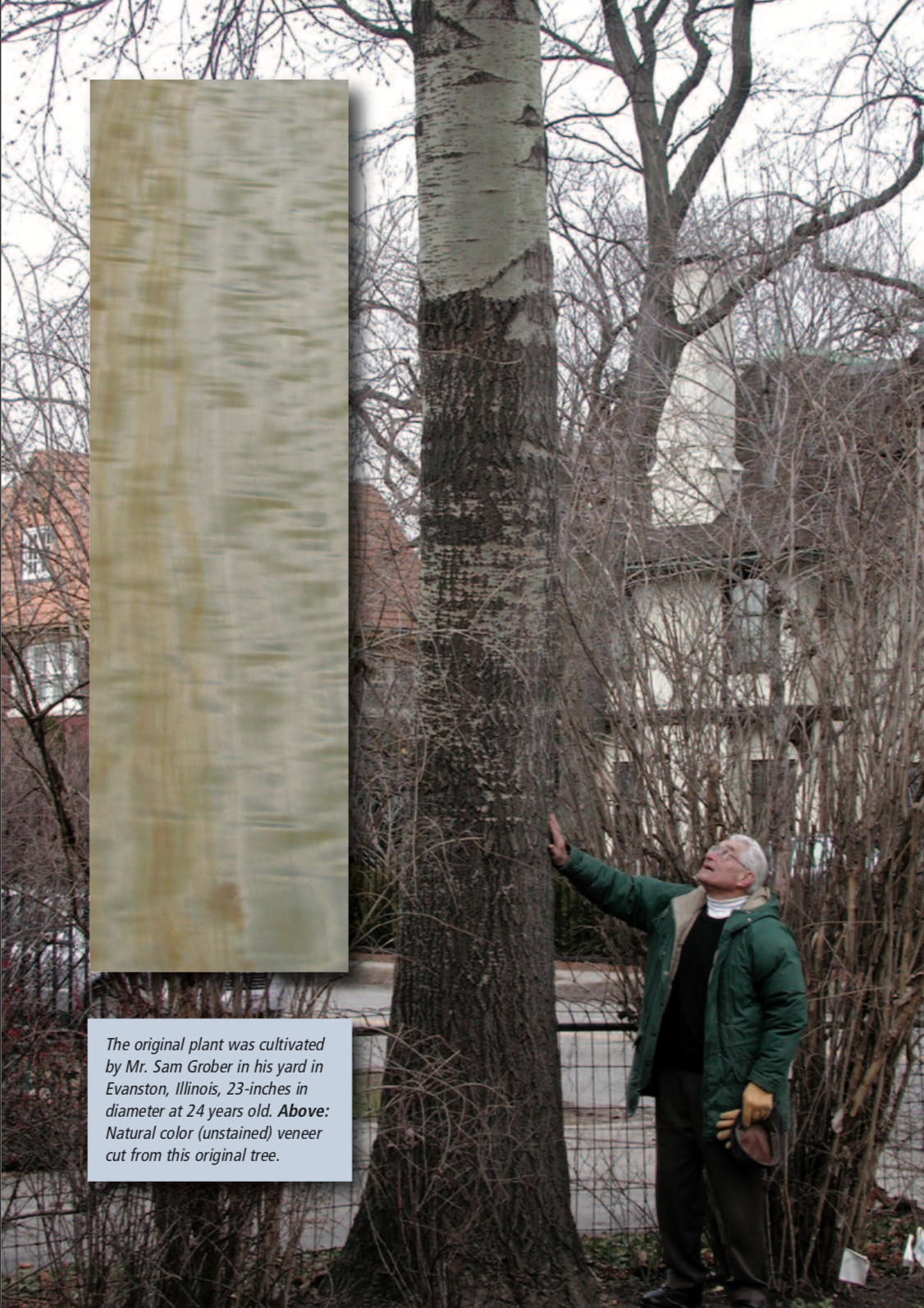
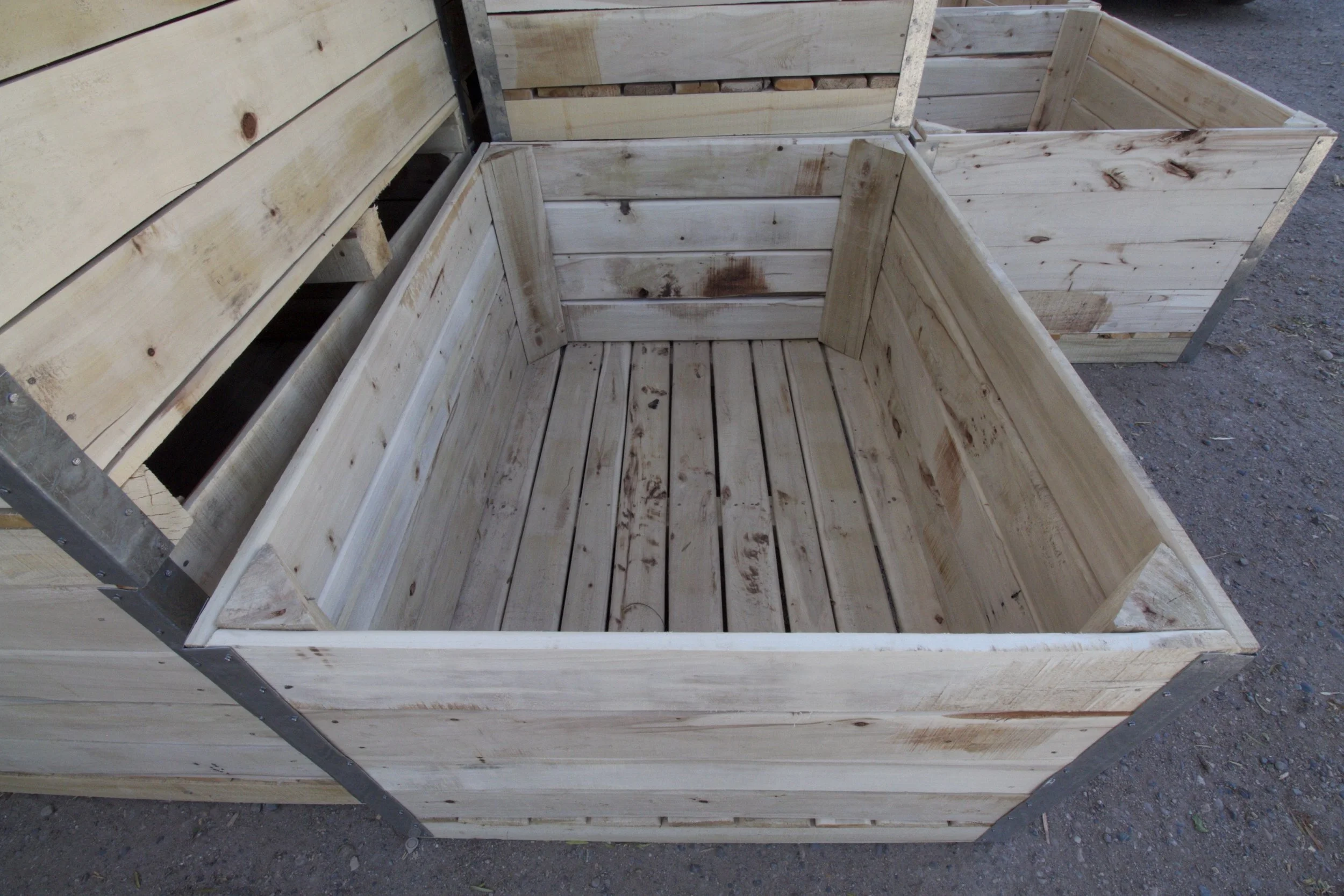
If you Google search “curly poplar” wood, pieces of curly Liriodendon (tulip poplar) will show up on an image search. That is not what you’re looking for. Pictured above is a sample of the wood.
“Curly” wood, also known as fiddleback or tiger eye grain, is caused by a disturbance to the tree. It grows beautifully wrong in a consistent, rhythmic way. Curly grain is caused either by a tree’s genetic predisposition, or by environmental stressors. The curly poplar that we grow (Populus x canescens var Grober) came from a naturally-occurring mutated sprout in Maryland. Any forester or woodworker will tell you that curly grain is unique to a single tree and is not heritable, but published research shows that the curly grain in Populus x canescens var Grober is heritable (Fan et al 2013), so any propagation material from the original tree will also exhibit the figured grain. Curly poplar was discovered by Mr. Sam Grober, and patented by Purdue Research Foundation in 2005.
About hybrid poplar wood:
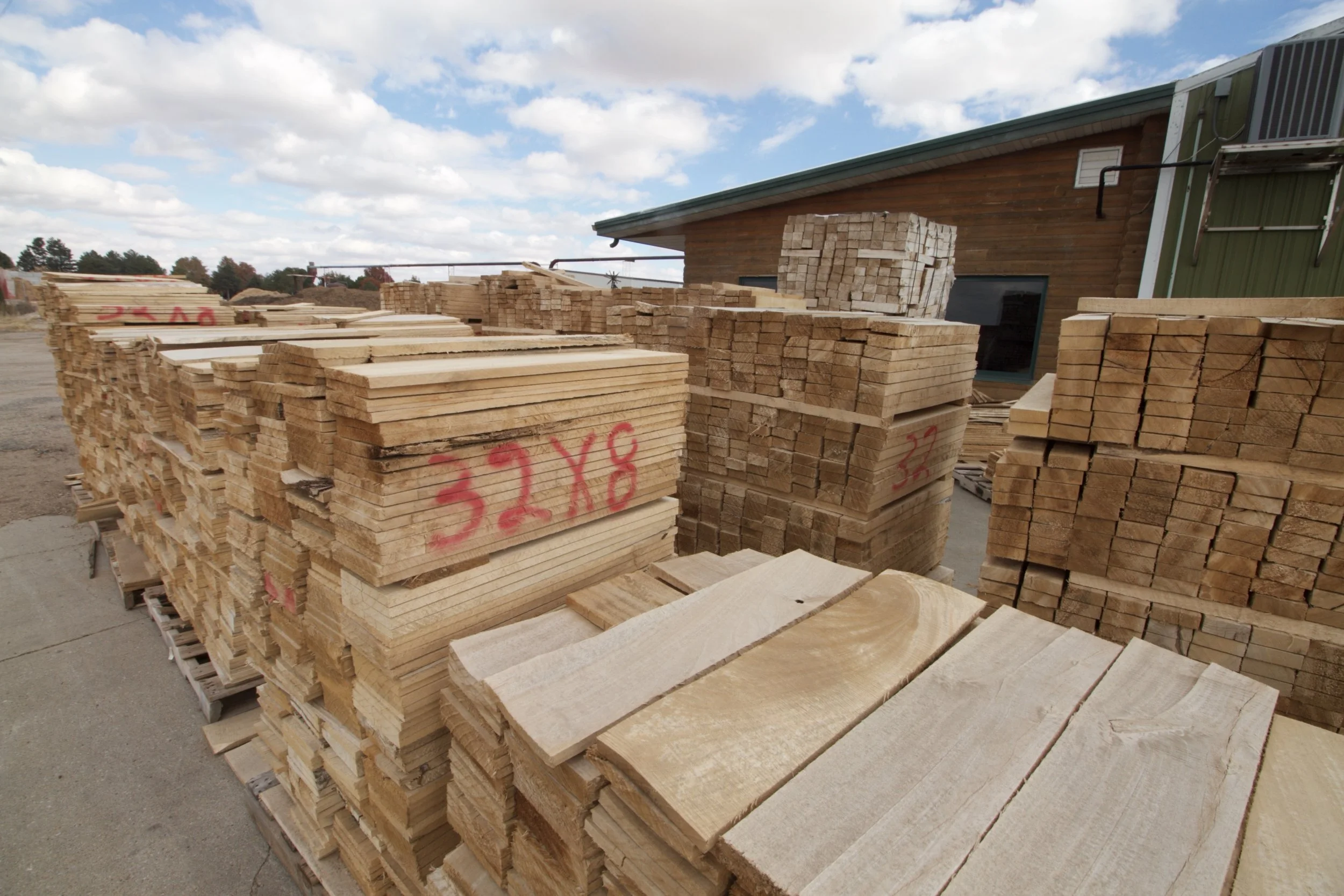
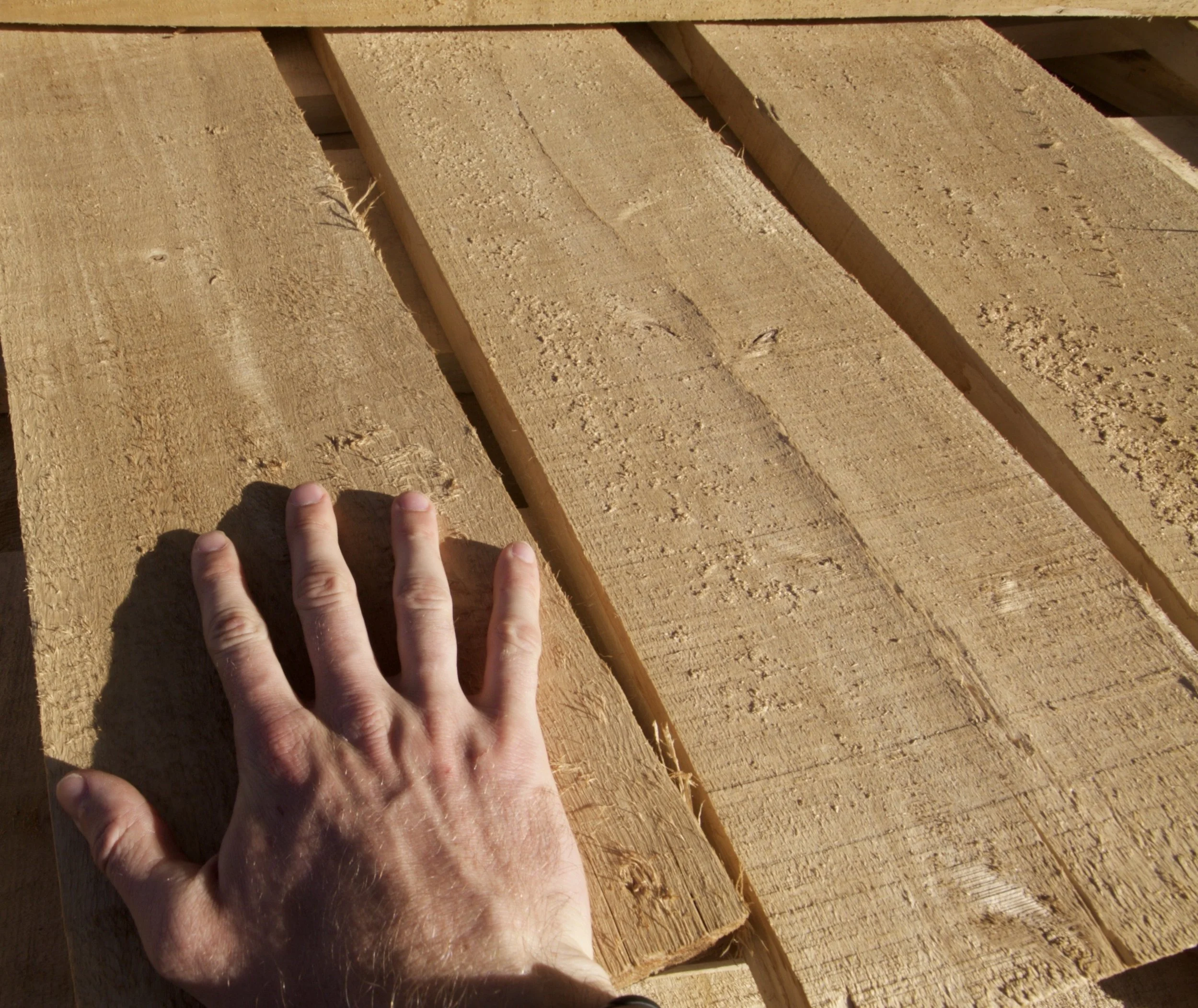
Hybrid poplar wood is similar to white pine in strength, hardness, and weight. In the United States, traditional uses of rough sawn hybrid poplar would be the same as cottonwood lumber. Examples include 2x8 flooring in a barn loft, or as dimensional lumber that will not be exposed to moisture. We also see the planed lumber marketed as aspen paneling.
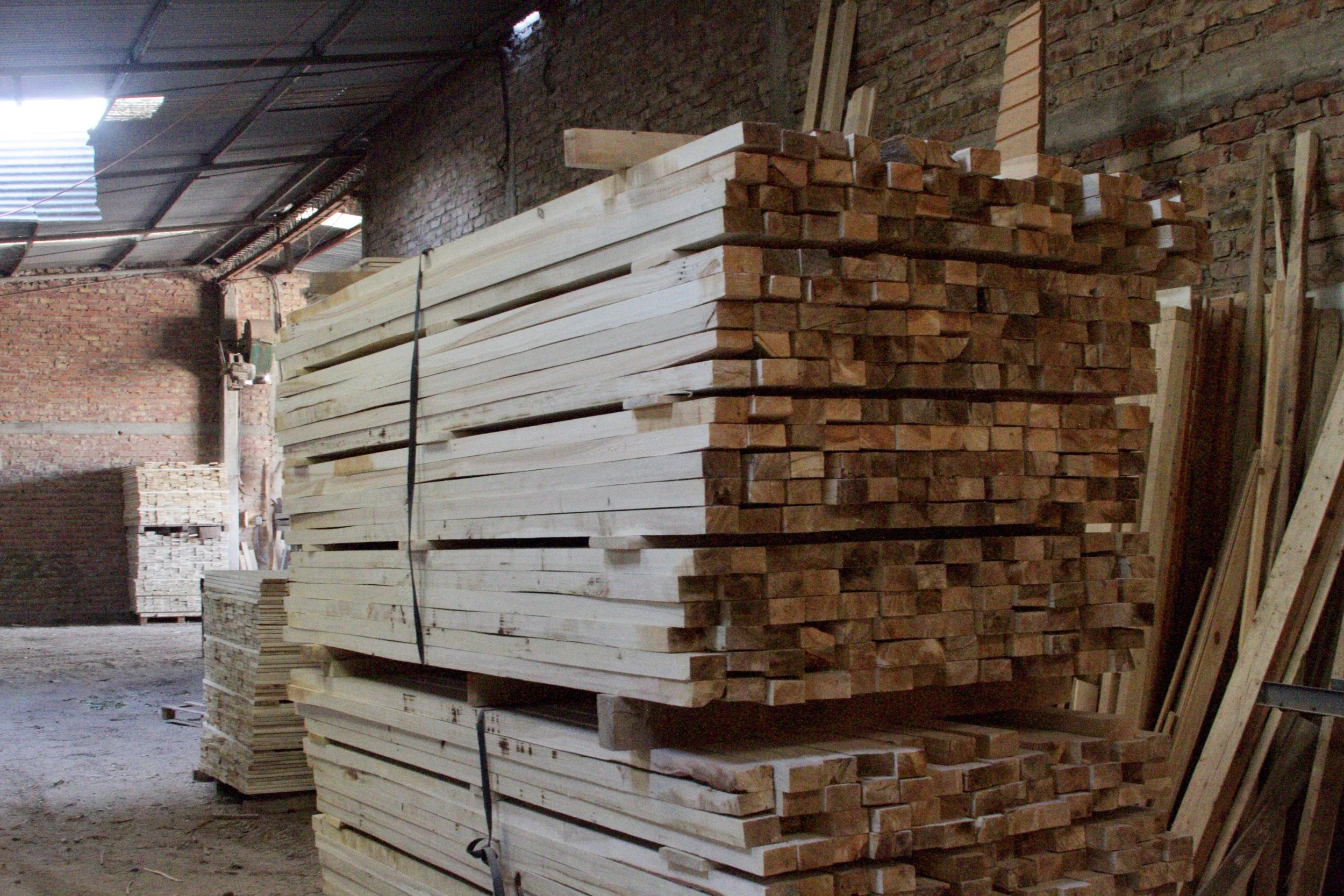
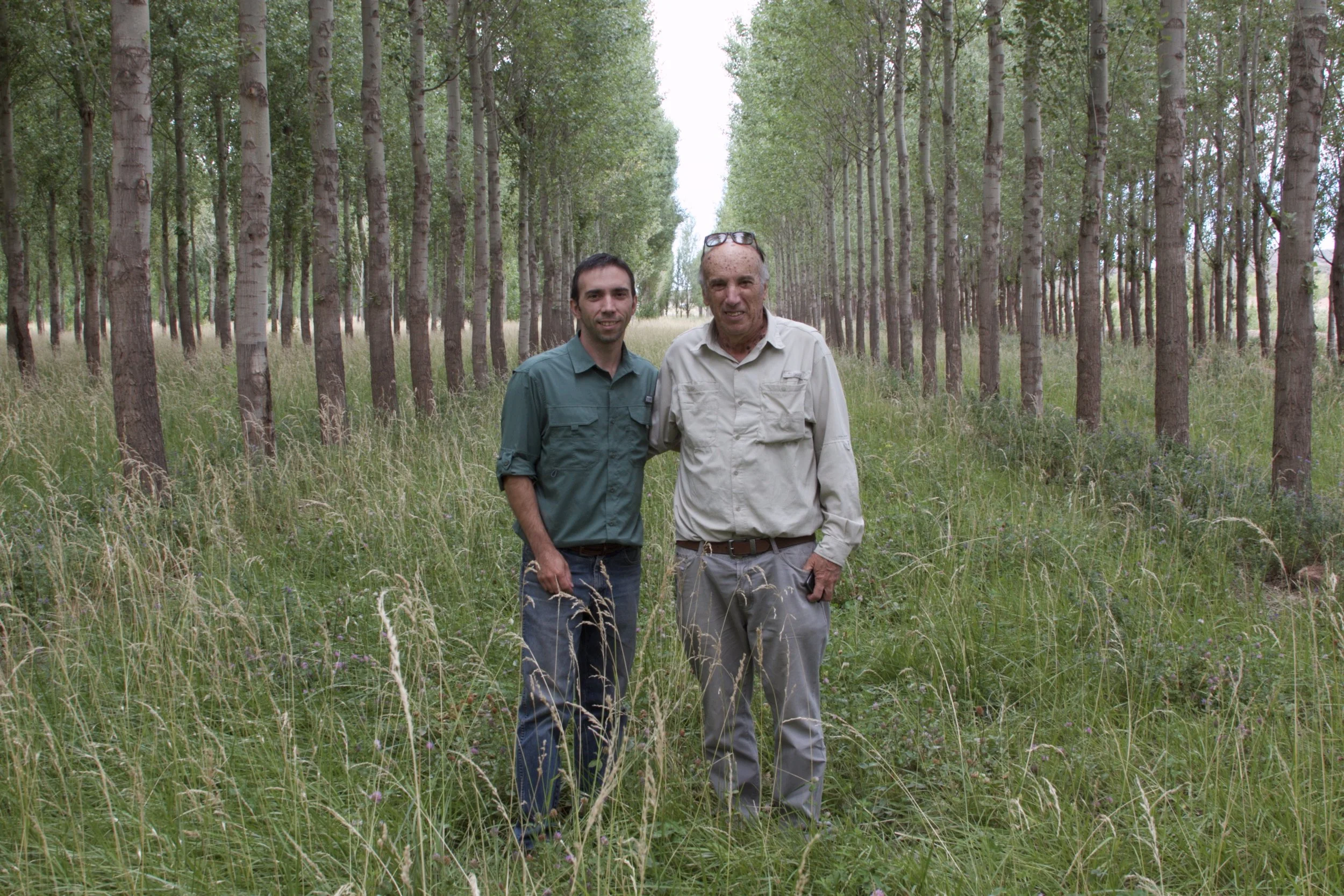
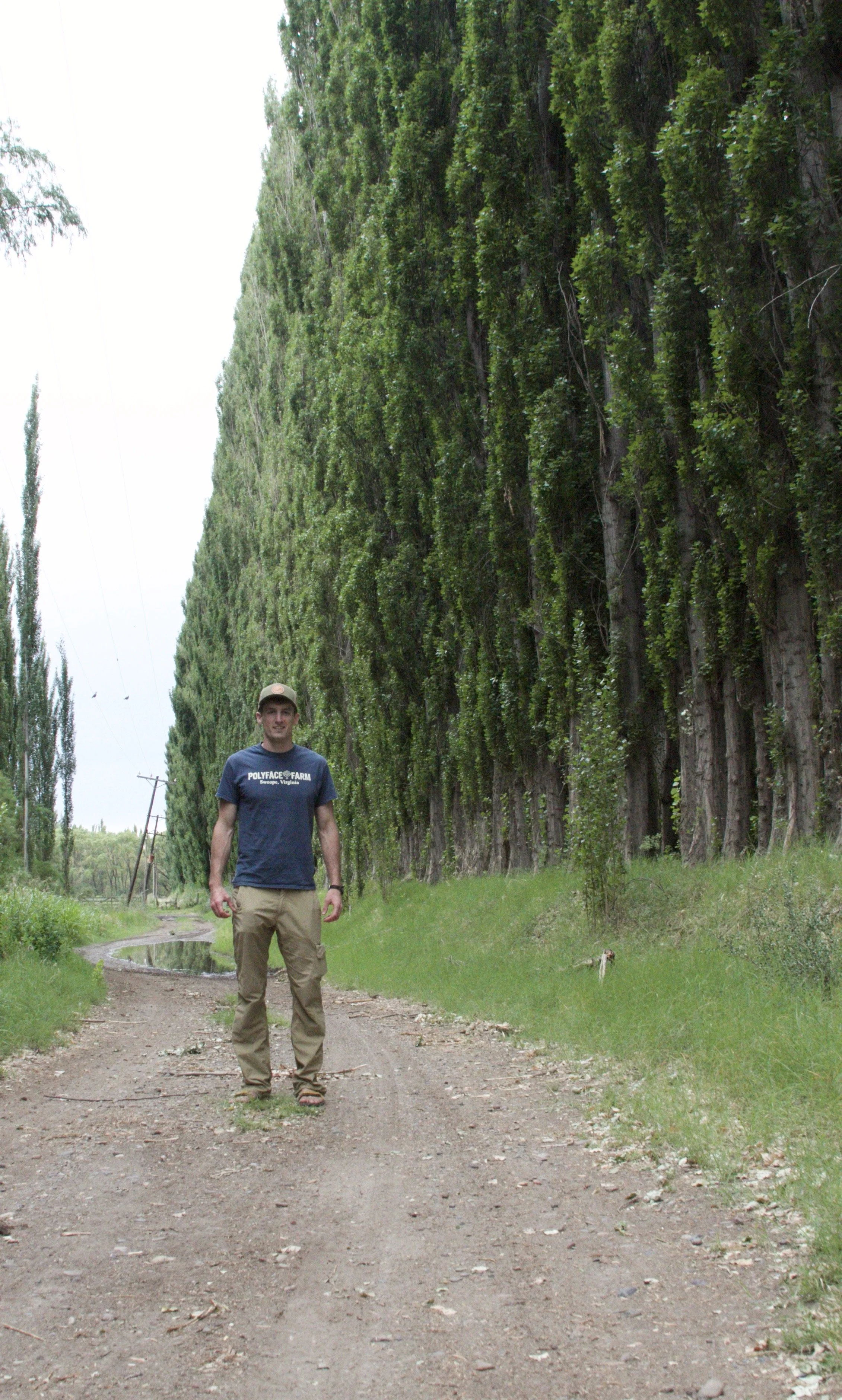
Internationally, hybrid poplar is more common. It is used as dimensional lumber (2x4s etc.) and is processed into plywood. Dimensional lumber in the United States (2x4s from Home Depot) is most often Douglas fir from Oregon, or southern yellow pine grown in the Southeast. Countries that have much less productive forest than the United States plant hybrid poplar in plantations because it grows quickly and yields a large volume of wood per acre. Many countries in Europe and South American grow poplar extensively. In Argentine Patagonia, hybrid poplar is planted as windbreaks and is extensively milled for construction and other uses.
Where does hybrid poplar grow?
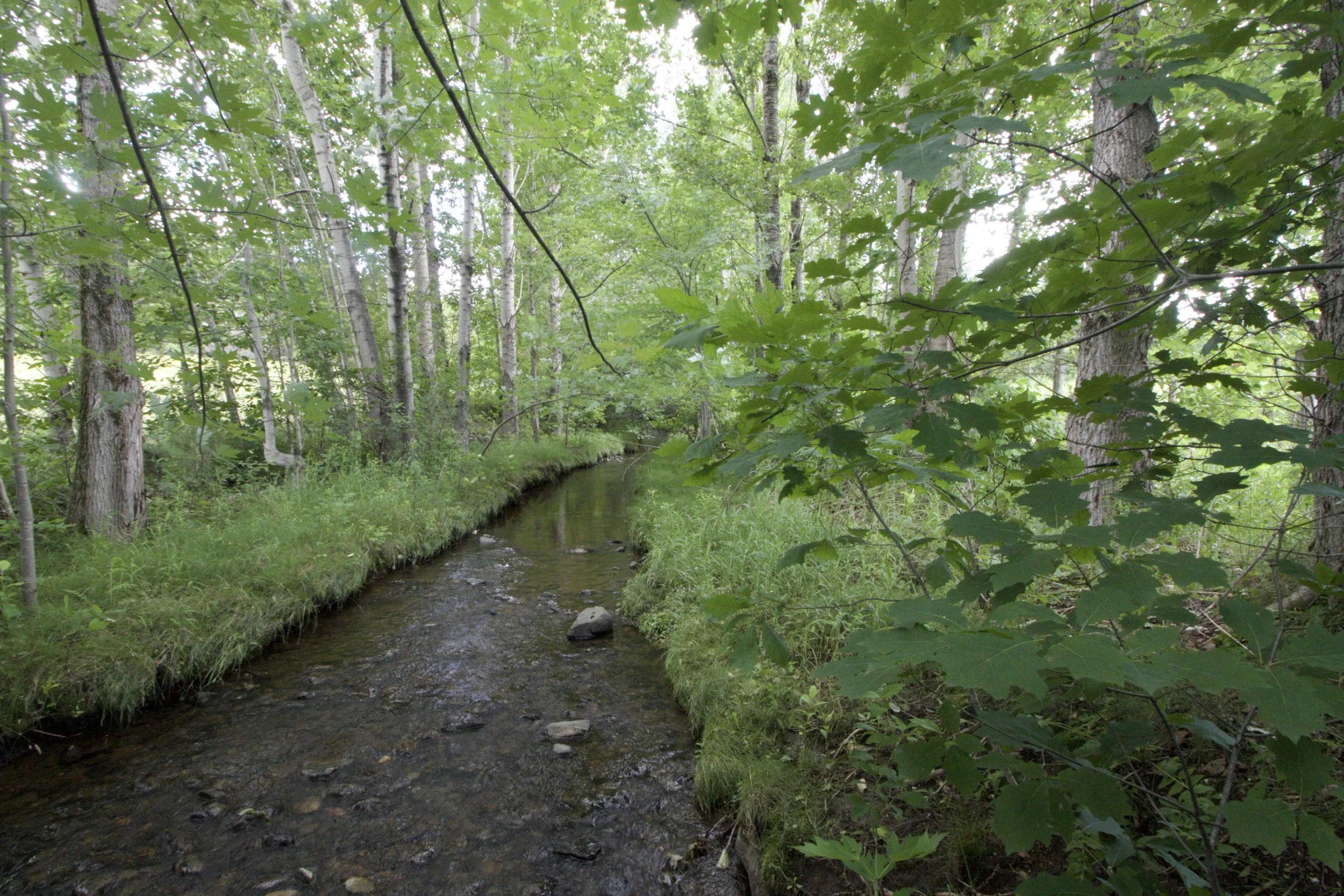
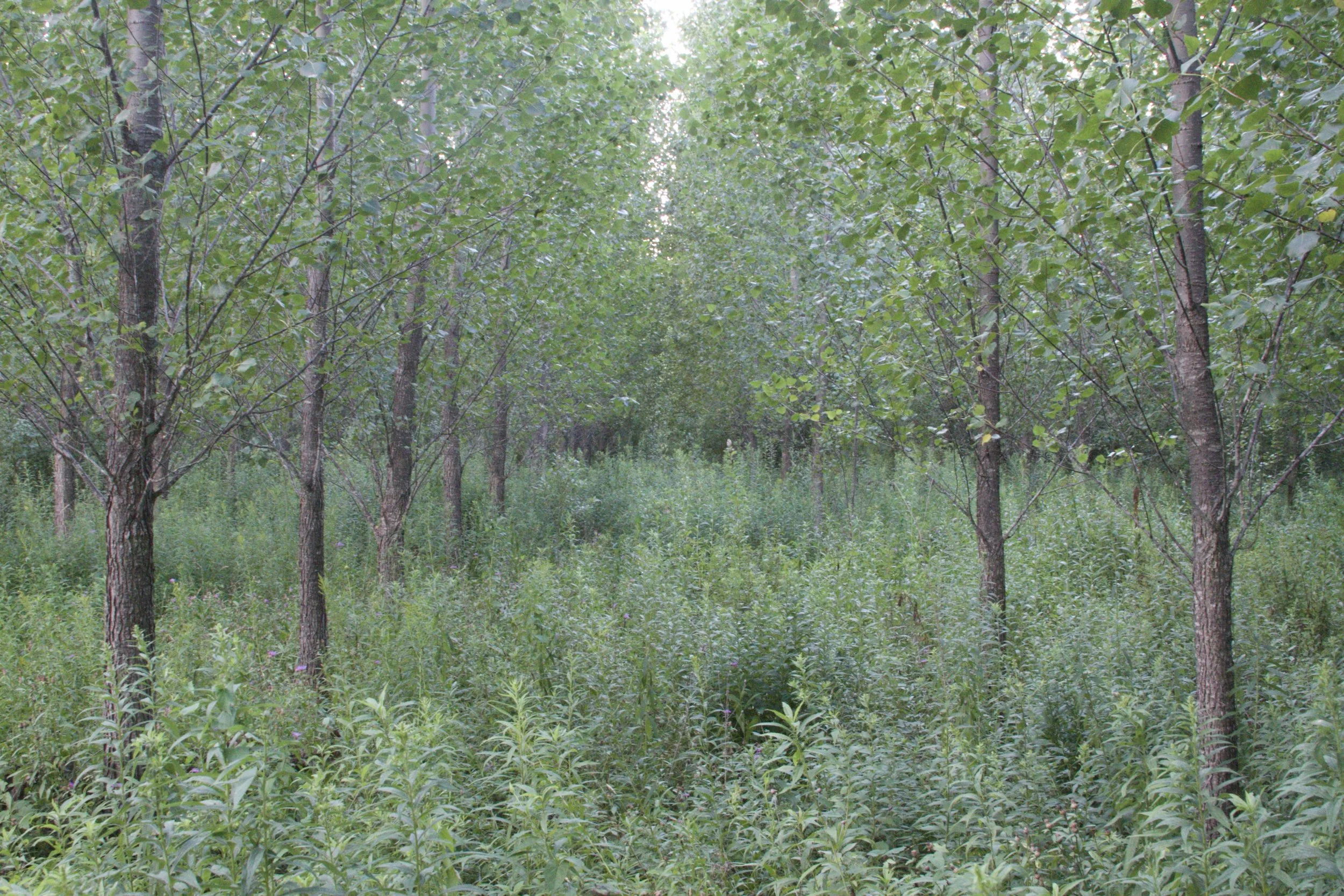
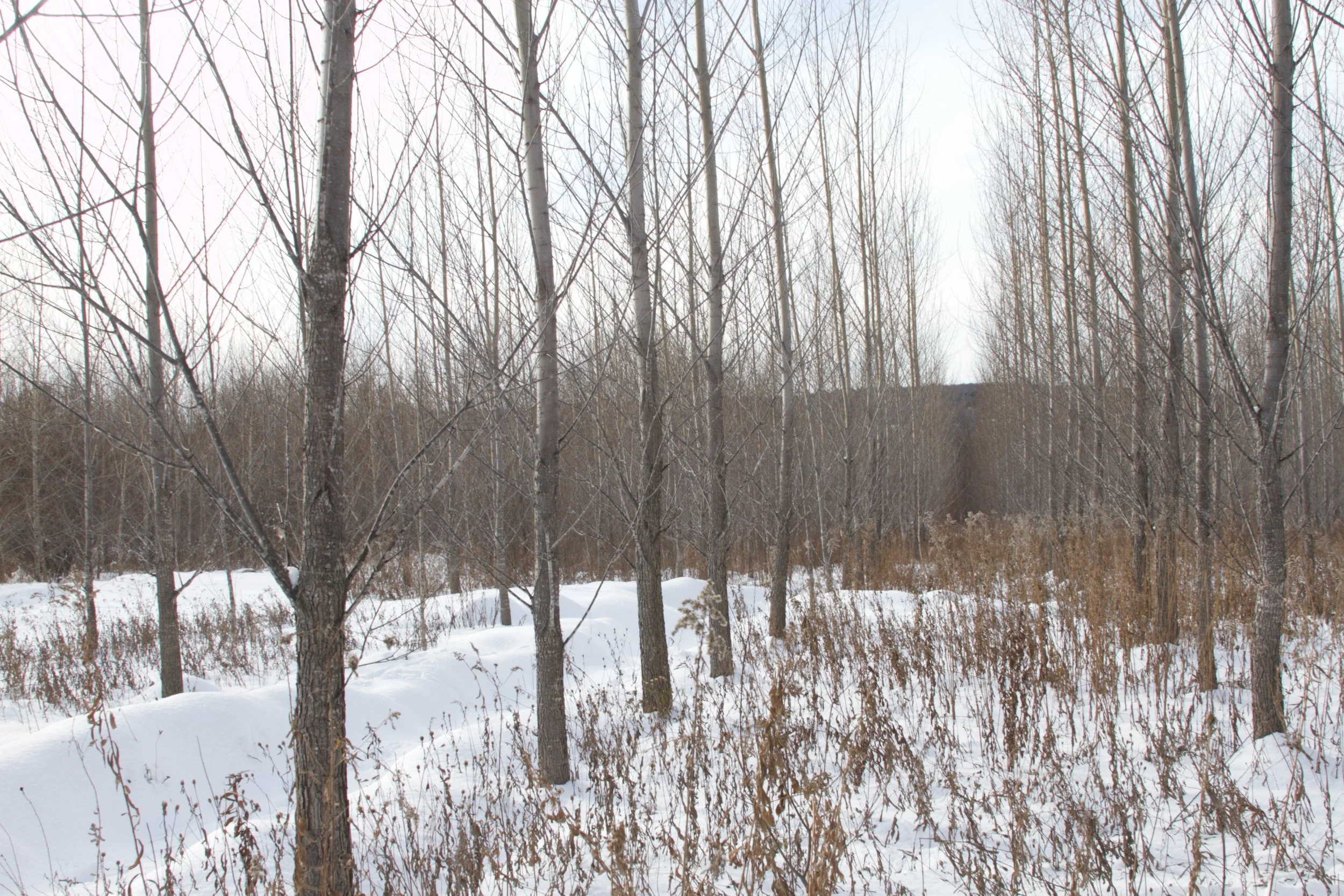
Hybrid poplar produces entry-level wood on sub-prime farmland. Populus is generally very tolerant of heavy wet soil (silt and clay), seasonal flooding, and a high water table. It tolerates a wide pH range, from 5 to 8+, and is hardy from USDA zones 3-9 (Minnesota to Northern Florida), and likely reasonable for commercial production in zones 4-8. The achilles heel of hybrid poplar is herbaceous competition: the tree will not grow as quickly if it is engulfed by pasture. This is overcome with good soil prep prior to planting (tillage). Mulching is not a direct substitute for tillage in this instance.
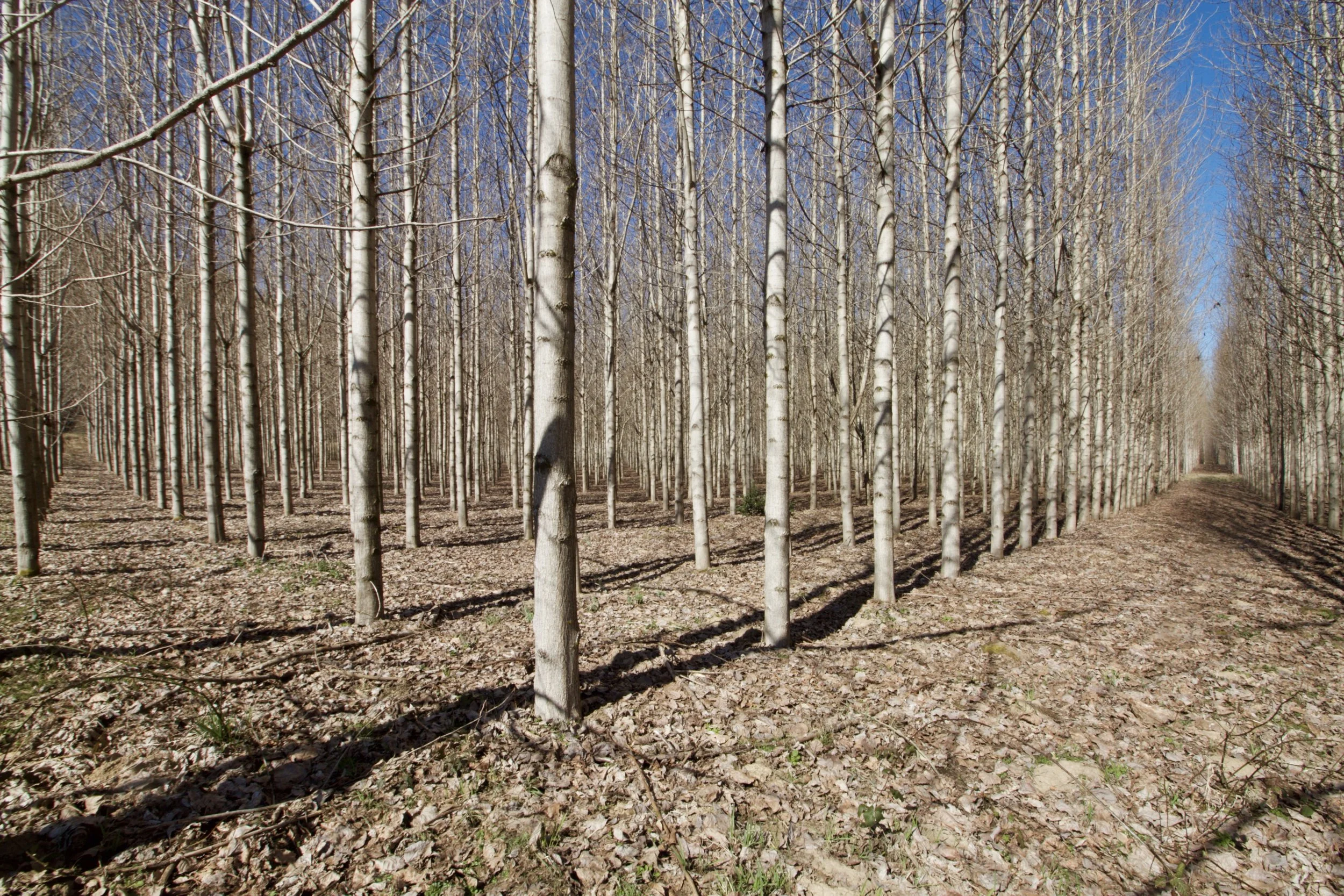
Hybrid poplar in agroforestry
Hybrid poplar is one of the most prominent trees in cold-climate agroforestry because it grows quickly, casts dappled shade, and yields myriad ecosystem benefits.
Silvopasture: On hot days, cattle gain 60% more weight when they have access to tree shade. Hybrid poplar shades cattle, but lets in enough light to maintain grass production, specially if high-pruned.
Windbreaks: Hybrid poplar windbreaks, often columnar Lombardy poplar, protect orchards and livestock the world over. Grids of poplar are a mainstay in the arid grasslands of Argentine Patagonia, where dry winds routinely reach 50+ mph.
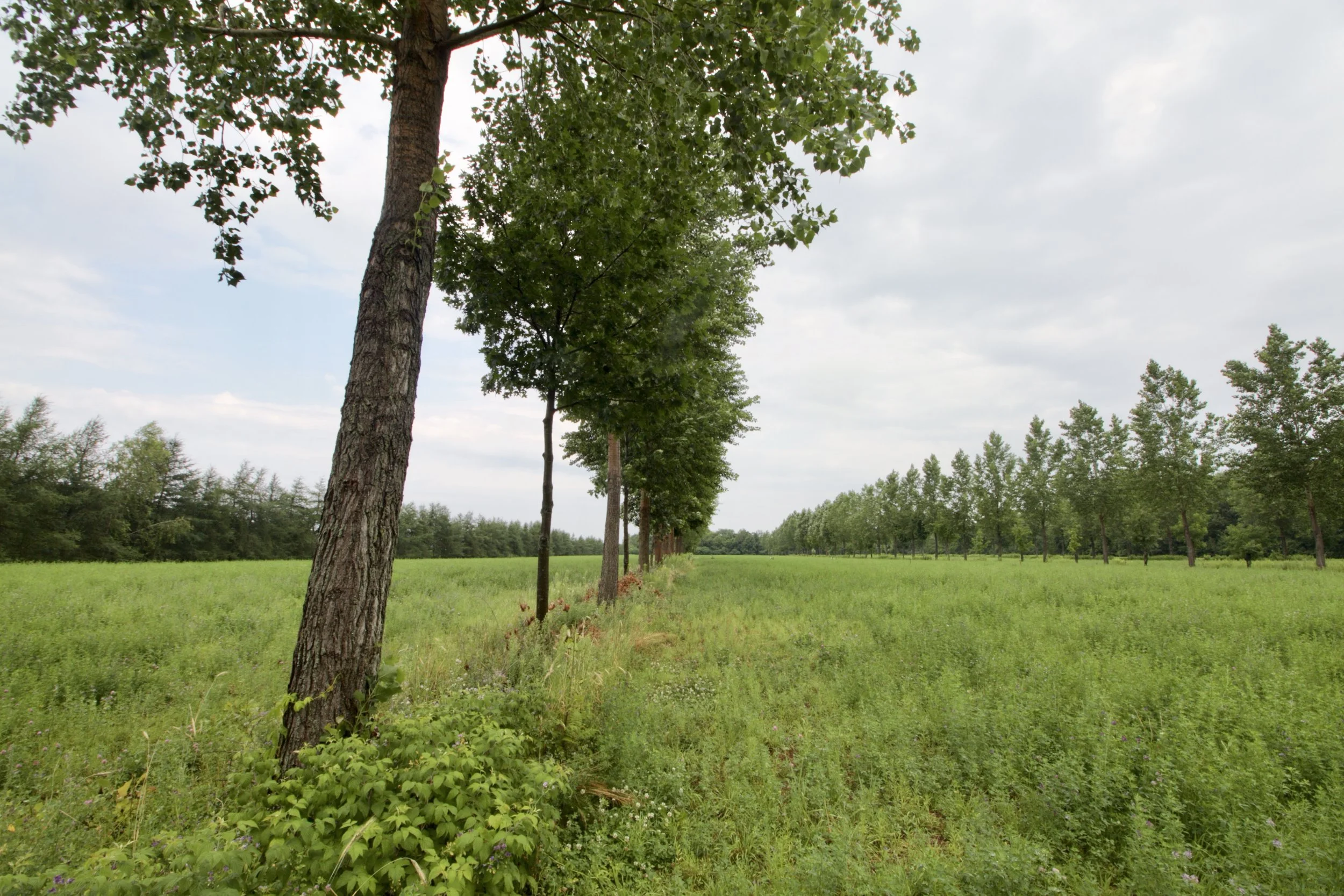
Alley Cropping: Rows of trees on an industrial grain farm, planted 150 feet apart, did not decrease yields of corn, soy, and wheat (China; Canada). In countries where poplar is worth growing for the lumber, stacking two enterprises on one land base (grain + trees) can increase productivity by 40%.
Riparian Buffers: Hybrid poplar has a unique ability to absorb pollution. Buffers planted with Populus showed a 4-5x increase in nutrient uptake compared to grass buffers alone . Given that it grows quickly, hybrid poplar is also soon to shade waterways, keeping water temperatures cool for fish and other aquatic life.
We should note that curly poplar is not native to the United States. If we are purely optimizing for insect benefit, is not as good as native cottonwoodor aspen. However: if we’re choosing between hybrid poplar and no trees planted (dirt), hybrid poplar is a phenomenal option across all ecosystem metrics.

Curly poplar is the “X factor” for hybrid poplar in The United States.
In the United States, planting generic hybrid poplar, harvesting it, milling it for lumber is not profitable except in a best-case scenario: excellent growth rates an extremely low cost of harvest and milling, and a moderate sale price of the wood. Curly poplar increases the sale price of the wood, because it looks good, and effectively breaks this equation for the better. A genetic mutation pushes the IRR from 0-3% up to 6-8%.
Curly poplar filters water and mitigates flooding just like any other hybrid poplar, but because growing it is profitable for farmers and landowners, we’ll see more ecosystem services on more acres.